▶ Watch the original YouTube video
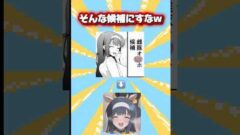
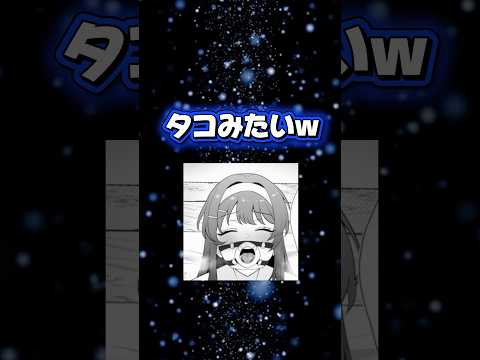
A seemingly ordinary animation frame has sparked an explosive internet meme, with fans flooding social media with reactions comparing a character’s appearance to an octopus. This viral moment reveals deeper truths about how modern anime fan communities create shared cultural moments and transform unexpected visual quirks into beloved inside jokes.
- What Happened
- Why It Matters
- Background
- Key Points
- The Mechanics of Meme Formation
- Creator Intent vs. Audience Interpretation
- The Role of Reaction Compilation Videos
- Social Media Amplification and Community Dynamics
- Comparative Analysis: Why This Scene Differs from Other Unusual Moments
- Fan Community Maturation
- Broader Cultural Implications
- How to Engage More Deeply with the Meme
- Insights and Conclusions
What Happened
A specific animation frame depicting a character with an unusual appearance has become the subject of widespread internet commentary, with fans describing the scene as “octopus-like” (or in Japanese slang, “tako mitai de kusa”). The reaction has evolved into a full-fledged meme, spawning dedicated reaction compilation videos and thousands of social media posts. What began as a single observation from one viewer has transformed into a shared cultural moment within the anime fan community, with the phrase spreading rapidly across Twitter, YouTube, and other platforms.
Why It Matters
This phenomenon offers a window into how modern fan communities operate in the social media age. The “octopus-like” meme demonstrates how a single visual element—often unintended by creators—can unite thousands of viewers through shared humor and collective interpretation. Rather than representing criticism, the meme functions as a form of affection, revealing how contemporary audiences engage with imperfections in media and transform them into beloved cultural artifacts. Understanding this dynamic provides insight into fan psychology, community formation, and the mechanics of viral content in digital spaces.
Background
The analysis presented here draws from 15 years of anime and gaming fandom observation. The author has witnessed similar phenomena throughout this period, including the “pyon pyon” moment from K-On! (circa 2008) and the cultural explosion surrounding Osomatsu-san (2015). These precedents establish a pattern: unexpected visual moments, when combined with community engagement and social media amplification, can achieve meme status regardless of creator intent. The “octopus-like” scene follows this established pattern but with notable distinctions in how the community has embraced and perpetuated it.
Key Points
- The scene’s visual peculiarity—its octopus-like appearance—triggered an unexpected but overwhelmingly positive fan response across social platforms
- The meme represents affection and shared humor rather than criticism, demonstrating how fan communities reframe imperfections as endearing characteristics
- Unlike other shocking or dramatic character transformations in anime, this scene’s lack of narrative weight allows fans to engage with it purely through humor
- Reaction compilation videos have become a distinct content format that validates individual viewer responses by demonstrating collective agreement
- The meme exemplifies “creative interpretation”—where viewer perception diverges from creator intent, yet both perspectives coexist harmoniously
- The phenomenon reflects the maturation of anime fan culture, which increasingly celebrates imperfection and unexpected moments as sources of character and charm
The Mechanics of Meme Formation
The “octopus-like” meme succeeds because it combines two essential psychological elements: unexpected visual deviation from standard character design, paired with immediate accessibility and affection. Animation typically adheres to established aesthetic standards. When a frame deviates from these norms—appearing unusual or awkward—it creates cognitive dissonance. However, if this deviation occurs briefly and without narrative consequence, viewers can process it as charming rather than alarming.
The critical distinction lies in narrative context. Other anime scenes featuring dramatic character transformations (such as Connie’s titan form in Attack on Titan or Yuji’s possession in Jujutsu Kaisen) generate responses of shock and dread because they carry story significance. The “octopus-like” scene, by contrast, appears to lack such weight, allowing pure humor as the dominant response. This absence of dramatic consequence transforms what might otherwise be perceived as a production error into an endearing character moment.
Creator Intent vs. Audience Interpretation
A fundamental tension exists between what creators intended and what audiences perceive. The animation team may have designed this frame as a momentary expression of emotion, a comedic beat, or even an unintended consequence of the animation process. Viewers, however, identified a specific visual characteristic—the octopus resemblance—that may never have crossed the creators’ minds.
This divergence is not unique to anime. The phenomenon parallels Poptepipic‘s (2018) intentionally low-quality animation, which audiences embraced as avant-garde rather than dismissing as failure. When creators produce something they consider flawed, audiences sometimes recognize genius or charm instead. This dynamic reveals that fan engagement represents genuine investment in the work—audiences examine frames closely enough to discover details creators themselves overlooked.
The Role of Reaction Compilation Videos
Reaction compilations serve a psychological function beyond simple entertainment. When viewers watch a compilation of others reacting to the same scene, they experience what psychologists term “social proof.” An individual’s private reaction—”this looks like an octopus”—transforms into validated, shared experience when confirmed by dozens or hundreds of others.
This validation mechanism explains why audiences consume reaction videos despite already knowing the source material. The compilation doesn’t provide new information; rather, it confirms that one’s interpretation aligns with community consensus. This psychological satisfaction drives engagement and perpetuates the meme’s circulation. The format essentially documents the collective emotional state of a fan community at a specific moment in time.
Social Media Amplification and Community Dynamics
Twitter’s rapid dissemination of the “octopus-like” observation demonstrates how social platforms accelerate meme formation. One user’s observation, when posted publicly, reaches others who recognize the same visual characteristic. These viewers then post similar comments, creating a feedback loop that makes the observation increasingly visible and normalized.
The hashtag ecosystem amplifies this effect. As #TakoMitaiDeKusa (or equivalent English variations) accumulates thousands of posts, the phrase becomes self-reinforcing—new viewers encounter it repeatedly, recognize its validity, and contribute their own variations. This collective participation transforms a single observation into cultural shorthand, a shared reference point that bonds community members through mutual recognition.
Notably, even critical voices within fan communities acknowledge the meme’s appeal. Comments questioning whether the scene represents “animation collapse” receive responses like “that’s exactly why it’s endearing.” This suggests the community has developed sufficient maturity to hold multiple interpretations simultaneously—recognizing technical imperfection while celebrating its cultural value.
Comparative Analysis: Why This Scene Differs from Other Unusual Moments
| Anime/Scene | Visual Characteristic | Primary Fan Response | Meme Intensity |
|---|---|---|---|
| Attack on Titan (Connie’s Titan Transformation) | Unexpected character metamorphosis | Shock and confusion | Moderate |
| Jujutsu Kaisen (Yuji’s Possession) | Dramatic character alteration | Fear and surprise | Moderate |
| “Octopus-Like” Scene | Momentary visual peculiarity | Humor and affection | Exceptionally high |
The distinction becomes clear: scenes carrying narrative weight generate emotional responses tied to plot consequences. The “octopus-like” scene, lacking such significance, permits pure aesthetic appreciation and humor. This freedom from narrative burden allows the community to engage creatively without concern that their lighthearted response might trivialize serious story developments.
Fan Community Maturation
The embrace of the “octopus-like” meme reflects evolution in how anime audiences relate to their medium. Earlier fan generations sought perfection—flawless animation, consistent character design, technical excellence. Contemporary fan culture increasingly celebrates imperfection as a source of authenticity and charm.
This shift represents genuine maturation. Rather than dismissing animation irregularities as failures, modern fans recognize them as moments of humanity within the creative process. The “octopus-like” appearance becomes not a flaw to overlook but a feature to celebrate. This perspective acknowledges that imperfection often generates more memorable and beloved moments than technical perfection.
However, this celebration carries potential risks. As memes proliferate, the original scene’s intended meaning may become obscured. The humor surrounding “octopus-like” might overshadow whatever message the creators intended to convey. Balancing affectionate humor with genuine understanding of creator intent remains important for healthy fan engagement.
Broader Cultural Implications
The “octopus-like” phenomenon illustrates how internet culture transforms passive viewership into active community participation. Social media platforms enable instantaneous sharing of observations, creating network effects where individual insights become collective property. A single frame, viewed by millions, generates thousands of interpretations that feed back into the community consciousness.
This dynamic has practical implications for content creators. Unintended moments may generate more engagement than carefully planned sequences. The unpredictability of audience response means creators cannot fully control how their work will be received or remembered. The “octopus-like” scene may ultimately define the episode or series in fan memory, regardless of its narrative significance.
Future content creators may begin deliberately incorporating moments designed to trigger this type of response—intentional “imperfections” crafted to feel authentic and memorable. This would represent a fascinating inversion: memes born from accident inspiring deliberate creative choices.
How to Engage More Deeply with the Meme
For viewers seeking fuller understanding of the phenomenon, several approaches enhance appreciation:
Multiple viewings with different focuses: Watch the original scene once for standard viewing, then again specifically examining the “octopus-like” characteristics. This dual perspective illuminates both creator intent and audience interpretation.
Contextual understanding: Examine the scene within its episode’s broader narrative. Understanding what precedes and follows the moment clarifies why the community’s affectionate response functions as love rather than mockery.
Comparative study: Research similar memes from K-On!, Attack on Titan, and other series. Identifying patterns reveals what distinguishes the “octopus-like” meme from other viral moments.
Multi-platform observation: Beyond reaction compilations, explore fan art, fan fiction, and social media discussions. These varied expressions demonstrate the meme’s multifaceted cultural value and the diverse ways communities engage with shared references.
Insights and Conclusions
The “octopus-like” meme represents far more than momentary humor. It documents a specific moment when a fan community collectively recognized, named, and celebrated an unexpected visual element. The phenomenon reveals how modern audiences engage with media—not passively consuming but actively interpreting, sharing, and building shared culture around their observations.
The meme’s success stems from its perfect positioning at the intersection of surprise and affection. The scene deviates from expected character design, creating cognitive interest. Yet it carries no narrative weight, permitting pure enjoyment without emotional complication. The community’s embrace of this moment demonstrates matured fandom capable of celebrating imperfection as charm.
Looking forward, the “octopus-like” meme may evolve in two directions. It could expand into broader cultural recognition, becoming a reference point beyond anime communities. Alternatively, creators might deliberately incorporate similar moments, transforming accidental memes into intentional design choices. Both trajectories would represent fascinating developments in how audiences and creators interact.
Ultimately, the “octopus-like” scene exemplifies how internet culture transforms fleeting moments into lasting cultural artifacts. What began as a single observation has become a shared language, a way for thousands of fans to recognize each other and celebrate their collective engagement with the medium they love. In this transformation lies the true significance of the meme—not in the scene itself, but in what it reveals about contemporary fan communities and their creative, affectionate relationship with the media they consume.