▶ Watch the original YouTube video
What If Char Aznable Felt Fear? How a Gundam Alternate Scenario Reveals the Complexity of an Iconic Villain
A viral alternate scenario from the Gundam community reimagines the climax of “Char’s Counterattack” with Char experiencing genuine fear as Amuro threatens to push his escape pod into Axis. This creative reinterpretation has sparked widespread discussion about the psychological depth of one of anime’s most complex antagonists and what modern Gundam fans seek in fan-created content.
What Happened
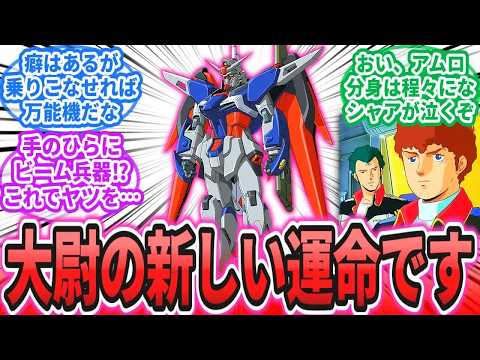
An alternate scenario (IF scenario) has circulated within the Gundam fan community that reimagines a pivotal moment from “Char’s Counterattack,” the 1988 theatrical film that concluded the original Mobile Suit Gundam storyline. In this scenario, Char Aznable—typically portrayed as a composed, calculating antagonist—is depicted experiencing visible fear as Amuro Ray threatens to push his escape pod into Axis, the asteroid Char had planned to drop on Earth. Rather than maintaining his characteristic cold demeanor, Char openly expresses terror, crying out “Stop, Amuro! Don’t push my escape pod into Axis with that mobile suit! I’m scared!”
The scenario has generated diverse reactions across social media platforms including Twitter and YouTube, ranging from humorous appreciation to serious character analysis. This creative reinterpretation has become a focal point for discussing the psychological dimensions of Char’s character and the evolving nature of Gundam fandom.
Why It Matters
This alternate scenario is significant because it challenges the fundamental characterization of Char Aznable, one of anime’s most iconic and psychologically complex villains. For over four decades, Char has been portrayed as a figure of absolute authority and control—a revolutionary leader commanding massive military forces and pursuing grandiose ambitions to reshape human civilization. An alternate scenario depicting him experiencing primal fear inverts this power dynamic entirely.
The scenario’s importance extends beyond simple entertainment value. It serves as a psychological mirror that reveals hidden dimensions of Char’s character that the original narrative only hints at. By stripping away his facade of control, the scenario exposes the fundamental humanity beneath his authoritarian persona—suggesting that even the most seemingly powerful figures are ultimately vulnerable to forces beyond their control.
Additionally, this scenario reflects broader shifts in anime fandom culture. Modern Gundam fans increasingly embrace alternate scenarios and parallel narratives rather than treating the original canon as sacrosanct. This represents a maturation of fan communities that can simultaneously respect source material while exploring creative reinterpretations.
Background
Char Aznable is the primary antagonist of the original Mobile Suit Gundam narrative arc. Introduced as a skilled mobile suit pilot, Char gradually reveals himself as a complex figure driven by personal vendetta, revolutionary ideology, and a desire to fundamentally alter human history. By the time of “Char’s Counterattack,” he has orchestrated the capture of the asteroid Axis and plans to drop it on Earth, believing this catastrophic event will force humanity to abandon its destructive tendencies and evolve into a higher form of existence.
Throughout the original narrative, Char is characterized by calculated rationality, strategic brilliance, and emotional restraint. Even in moments of apparent defeat, he maintains composure and dignity. The climactic confrontation with Amuro Ray in “Char’s Counterattack” presents Char as a tragic figure—powerful yet ultimately constrained by his own ideology and ambitions.
The emergence of this alternate scenario coincides with the release of “Mobile Suit Gundam SEED FREEDOM,” the latest major Gundam theatrical film. This new entry has introduced the Gundam franchise to younger audiences and created an environment where creative reinterpretations of classic narratives are more readily accepted by the fan community.
Key Points
- Character Inversion: The scenario reverses Char’s typical role from aggressor to victim, from controller to controlled, fundamentally altering his psychological state
- Emotional Authenticity: Fear is presented as the most primal and honest human emotion, suggesting that Char’s display of terror reveals his true humanity beneath his authoritarian facade
- Thematic Resonance: The scenario aligns with recurring Gundam themes about the illusory nature of absolute power and the ways individuals become enslaved by their own ambitions
- Fan Community Evolution: The scenario’s acceptance demonstrates how modern Gundam fandom balances reverence for original material with enthusiasm for creative reinterpretation
- Psychological Complexity: The scenario functions as both entertainment and analytical tool, prompting deeper examination of Char’s character motivations and internal contradictions
- Narrative Possibility: The scenario exemplifies how alternate scenarios and parallel narratives have become mainstream storytelling devices across contemporary anime
Timeline
- 1988: “Char’s Counterattack” theatrical film released, establishing Char as a composed, strategically brilliant antagonist
- 2000s-2010s: Gundam fan communities remain relatively conservative, prioritizing respect for original canon
- 2015 onwards: “Mobile Suit Gundam: Iron-Blooded Orphans” challenges series conventions, shifting fan attitudes toward creative reinterpretation
- 2024: “Mobile Suit Gundam SEED FREEDOM” theatrical release expands franchise audience and creates environment for alternate scenarios
- Recent: The Char fear alternate scenario circulates widely, generating diverse fan reactions and critical discussion
Perspectives
Positive Reception: Many fans embrace the scenario as entertaining and psychologically insightful. Twitter responses frequently express appreciation for seeing Char in an unexpected emotional state, with comments like “I never thought I’d see Char afraid” and “This is genuinely interesting.” These reactions treat the scenario as legitimate creative exploration rather than canonical violation.
Analytical Interpretation: More thoughtful responses recognize the scenario as revealing hidden dimensions of Char’s character. Some commenters argue that the scenario exposes how Char, despite appearing to be a controller of events, is actually enslaved by his own ambitions and ideology. This interpretation aligns with deeper Gundam themes about the illusory nature of power.
Critical Resistance: Some fans express concern that the scenario damages Char’s characterization or disrespects the original narrative’s integrity. These responses argue that Char’s defining characteristic is his emotional control and that depicting him as fearful contradicts established character traits.
Thematic Continuity: A sophisticated reading suggests the scenario actually extends themes present in the original “Char’s Counterattack.” In the film’s climax, Char himself acknowledges shared humanity with Amuro, suggesting he was always more vulnerable than his authoritarian persona suggested. The alternate scenario merely makes this vulnerability explicit.
Insights
This alternate scenario illuminates several important dimensions of both the Gundam franchise and contemporary fan culture. First, it demonstrates that even characters seemingly defined by absolute control are ultimately vulnerable to forces beyond their command. Char’s fear, in this interpretation, represents not weakness but honesty—the moment when his carefully constructed persona collapses and reveals the frightened human beneath.
Second, the scenario’s popularity reflects a fundamental shift in how fan communities engage with beloved source material. Rather than treating original narratives as immutable scripture, modern fans increasingly view them as foundation for creative exploration. This represents intellectual maturity—the ability to respect and honor original work while simultaneously imagining alternative possibilities.
Third, the scenario functions as a psychological analysis tool. By inverting Char’s power dynamic, it forces examination of what his character actually represents. Is he truly a revolutionary visionary, or is he a person enslaved by his own ideology? Is his ambition genuine conviction or elaborate rationalization for personal trauma? The scenario doesn’t answer these questions but makes them impossible to ignore.
Finally, the scenario’s emergence during a period of Gundam franchise expansion suggests that the series’ thematic core—exploring human potential, the nature of control and freedom, and the relationship between individual will and historical inevitability—remains profoundly relevant. Char’s fear, whether interpreted as weakness or honesty, speaks to fundamental human experiences that transcend the specific narrative context of a 1988 film.
The broader implication is that truly great characters possess sufficient psychological depth to sustain multiple interpretations. Char Aznable, created nearly five decades ago, continues generating meaningful discussion and creative reinterpretation. This enduring relevance suggests that the original Gundam narrative succeeded not merely as entertainment but as genuine exploration of human complexity.