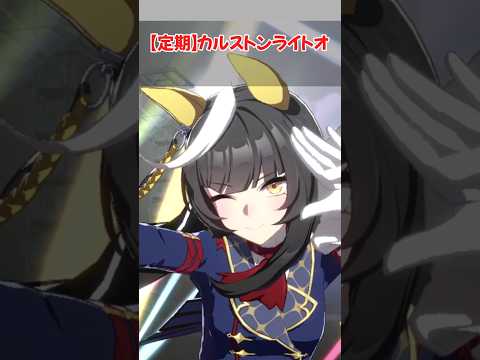
▶ Watch the original YouTube video
Why Carlston Light O Remains a Beloved Underdog in Uma Musume’s Fan Culture
A deep analysis of fan reactions to Carlston Light O, a minor character in Uma Musume Pretty Derby, reveals how the game’s design has democratized fan culture. Rather than celebrating only mainstream characters, the community regularly elevates lesser-known characters, reflecting a fundamental shift in how modern gaming fandoms express identity and community.
What Happened
A compilation video of fan reactions to Carlston Light O, a character from the popular mobile game and anime Uma Musume Pretty Derby, has sparked renewed interest in understanding why this relatively minor character generates periodic waves of fan engagement. The video, formatted as a YouTube Shorts compilation, aggregates reactions from multiple platforms including Twitter and YouTube, demonstrating sustained community interest in a character who does not occupy a central role in the game’s narrative.
Why It Matters
Carlston Light O’s recurring popularity illustrates a significant evolution in fan culture within gaming communities. The phenomenon challenges traditional fandom hierarchies where only prominent or “main” characters receive sustained attention. Instead, it demonstrates how modern game design—particularly Uma Musume’s approach—actively creates opportunities for all characters to gain recognition, fostering a more inclusive fan ecosystem. This shift has broader implications for how communities form identity, express individuality, and maintain engagement with media properties.
Background
Uma Musume Pretty Derby is a mobile game and anime franchise centered on the personification of famous racehorses as characters. Since its anime adaptation in 2021, the franchise has become a cultural phenomenon, particularly known for its robust fan community and the practice of “pushing” (supporting) specific characters. The game features approximately 100 playable characters, ranging from those based on legendary racehorses to more obscure historical figures. Carlston Light O falls into the latter category—a minor character who does not receive prominent narrative focus but who has developed a dedicated fanbase that regularly discusses and celebrates her.
Key Points
- Carlston Light O is a minor character in Uma Musume Pretty Derby who generates periodic fan engagement despite lacking central narrative prominence
- The character’s recurring popularity reflects a broader democratization of fan culture, where supporting minor characters is normalized and celebrated
- Uma Musume’s game design intentionally provides all characters with story moments and event appearances, creating opportunities for fans to discover and support lesser-known figures
- Fan reactions aggregate across multiple platforms (Twitter, YouTube Shorts, forums), indicating a substantial and organized community around this character
- The phenomenon demonstrates how modern fan culture has shifted from hierarchical popularity structures to more inclusive, identity-based community formation
- “Pushing” minor characters has become a form of individual expression and community bonding within the Uma Musume fandom
Timeline
- 2019: Uma Musume mobile game launches, establishing the foundation for character-driven fan engagement
- 2021: Uma Musume anime adaptation airs, significantly expanding the franchise’s audience and fan culture
- 2021–Present: Fan communities develop structured practices around supporting specific characters, including minor ones like Carlston Light O
- Recent: Compilation videos of fan reactions to specific characters become a popular content format on YouTube Shorts and social media
Perspectives
The Fan Community Perspective: For supporters of Carlston Light O, the appeal lies precisely in her status as an underdog character. Fans describe the experience as a form of personal discovery and identity expression—choosing to support a character that others might overlook becomes a way to distinguish oneself within the community. The periodic resurgence of discussion around her creates a sense of shared anticipation and belonging among fans who recognize each other through this common interest.
The Game Design Perspective: Uma Musume’s developers have intentionally structured the game to provide all characters with meaningful story content and event appearances. This design philosophy ensures that even minor characters receive periodic narrative focus, creating natural opportunities for fan engagement. Unlike some games where minor characters remain perpetually sidelined, Uma Musume’s approach validates fan interest in any character, regardless of prominence.
The Cultural Evolution Perspective: The phenomenon represents a maturation of fan culture away from purely hierarchical popularity contests. Rather than all fans converging on the same “best” or “most popular” characters, modern fan communities embrace diversity of preference. This shift reflects broader cultural movements toward celebrating niche interests and rejecting one-size-fits-all standards of value.
Comparative Analysis
Uma Musume vs. The Idolmaster Cinderella Girls: While both games feature large character rosters and fan-driven engagement, Uma Musume demonstrates more active fan support for minor characters. This difference stems partly from game design: Uma Musume integrates all characters into main storylines more consistently, whereas Cinderella Girls often limits minor character appearances to limited-time events. Additionally, Uma Musume’s community appears to have more explicitly embraced the value of supporting underdog characters.
Uma Musume vs. Fate/Grand Order: FGO’s fan engagement tends to concentrate on characters obtained through gacha mechanics, creating a more gatekeeping-oriented fan culture. Uma Musume, by contrast, allows players to discover and appreciate characters through story content regardless of whether they have pulled them from gacha. This design choice democratizes access to character appreciation and reduces the correlation between character popularity and rarity.
The Psychology of “Regular” Fan Engagement
The use of the term “regular” (or “periodic”) in describing Carlston Light O’s popularity indicates that her fan engagement follows predictable cycles rather than occurring randomly. This pattern likely stems from three mechanisms: commemorative dates (character birthdays or in-game anniversaries), new content releases (story events or scenario updates featuring her), and community self-reinforcement (fans discussing her with other fans, creating momentum that attracts new supporters).
This cyclical engagement pattern suggests a healthy, sustainable fan community rather than a fleeting trend. The predictability also allows fans to anticipate and prepare for periods of heightened discussion, creating a calendar-like structure to their fan activities.
The Role of Social Media and Content Aggregation
The existence of reaction compilation videos dedicated to Carlston Light O serves as concrete evidence of her fan community’s size and organization. YouTube Shorts and similar short-form video platforms have made it feasible to aggregate scattered fan reactions into coherent content, which in turn makes the community more visible and accessible to potential new fans. This creates a feedback loop: as more people encounter compilation videos, more discover the character, and more contribute their own reactions, which get aggregated into future compilations.
Insights
Carlston Light O’s sustained popularity within the Uma Musume community represents a fundamental shift in how modern gaming fandoms operate. Rather than concentrating enthusiasm on a small number of “main” characters, contemporary fan culture increasingly celebrates diversity of preference and validates support for minor or overlooked figures. This democratization of fan culture has several important implications.
First, it suggests that game designers who intentionally provide all characters with meaningful content and narrative opportunities can foster more inclusive and sustainable fan communities. Players feel that their favorite character—regardless of prominence—will eventually receive attention and development.
Second, it demonstrates that fan identity has become increasingly granular and individualized. Rather than conforming to community consensus about which characters “deserve” support, fans now express identity through their specific character preferences, including deliberately choosing underdog characters as a form of distinction.
Third, the phenomenon indicates that fan communities have become more organized and sophisticated in their practices. The ability to coordinate discussion across platforms, aggregate reactions, and maintain periodic engagement suggests a level of community infrastructure that rivals formal organizations.
Finally, Carlston Light O’s case suggests that the future of fan culture may involve less hierarchical competition for attention and more peaceful coexistence of diverse fan communities, each organized around different characters or interests. This represents a maturation of fan culture from a zero-sum competition for prominence to a pluralistic ecosystem where multiple communities can thrive simultaneously.