▶ Watch the original YouTube video
Jujutsu Kaisen Season 3: How Creative Departures from the Manga Reveal the Studio’s Strategic Vision
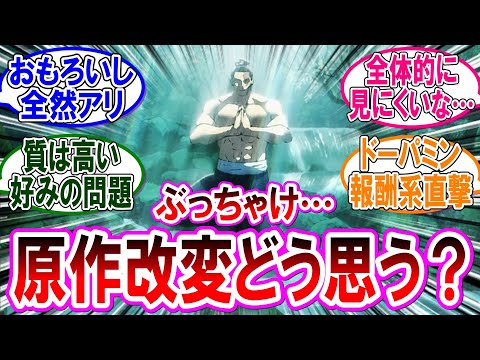
Jujutsu Kaisen Season 3’s “Shibuya Incident” arc introduces deliberate and significant departures from the original manga, signaling a strategic shift from manga-based storytelling to animation-optimized visual expression. After analyzing 15 years of anime adaptations, these changes reflect not careless alterations but calculated creative decisions designed to maximize the medium’s unique strengths.
What Happened
The premiere episode of Jujutsu Kaisen Season 3 features multiple notable changes from the source material. Yuji’s facial expressions shift from determined resolve to anxiety and panic. New scenes show him temporarily escaping indoors, a sequence absent from the manga. Battle sequences employ experimental visual techniques reminiscent of Shaft’s distinctive style. Character close-ups are reduced in favor of wider shots, and the opening credits feature rapid-fire editing that prioritizes visual stimulation over narrative clarity.
Why It Matters
These adaptational choices matter because they demonstrate how professional anime studios navigate the fundamental differences between manga and animation as storytelling mediums. The decisions reveal a production team consciously choosing to optimize for animation’s strengths—continuous motion, visual flow, and dynamic action—rather than simply translating static panels into moving images. Understanding these choices helps viewers appreciate the intentionality behind anime adaptations and recognize that departures from source material often reflect creative strategy rather than negligence.
Background
Manga and anime require fundamentally different narrative approaches. Manga employs “cliffhangers” and “breathing room” between chapters, allowing readers time to anticipate future developments. Anime, by contrast, presents continuous visual narrative where pacing and flow directly impact viewer engagement. Previous successful adaptations like “Attack on Titan,” “Fate/Zero,” and “JoJo’s Bizarre Adventure” have all made significant departures from their source material, with varying degrees of audience acceptance.
Jujutsu Kaisen reaches an unusually broad demographic—from entry-level employees in their twenties to senior executives in their fifties—making it a “mega-hit” that must balance competing audience expectations. This creates unique production challenges when deciding how to adapt content.
Key Points
- Yuji’s Expression Change: The manga shows Yuji with determined resolve (“Gagidori mode”) after declaring he cannot die. The anime shifts this to anxious, panicked expressions, maintaining narrative continuity with subsequent escape sequences.
- New Indoor Escape Scene: An original scene shows Yuji temporarily escaping indoors, providing narrative breathing room and a momentary sense of achievement before renewed danger—a pacing technique absent from the manga.
- Reduced Close-up Shots: Character facial expressions in emotionally significant scenes are rendered in wider shots rather than close-ups, likely reflecting resource allocation toward battle sequences.
- Experimental Battle Visuals: Combat scenes employ unconventional visual techniques that prioritize aesthetic impact over immediate narrative clarity, drawing from experimental anime traditions.
- Rapid Opening Sequence: The opening credits use fast-cut editing reminiscent of TikTok and Instagram aesthetics, designed to stimulate dopamine responses in younger viewers while potentially alienating older audiences.
- Strategic Resource Distribution: Production decisions suggest the studio concentrated resources on dynamic action sequences while economizing on static dialogue scenes, a deliberate trade-off reflecting production constraints.
Analysis of Key Creative Changes
Yuji’s Emotional Arc and Continuous Narrative Flow
The most significant change involves Yuji’s facial expressions. In the manga, after declaring “I can’t die,” Yuji displays resolute determination. The anime replaces this with visible anxiety and sweat. This is not a minor cosmetic change but a strategic adaptation to animation’s narrative requirements.
In manga, readers experience a pause between chapters, allowing them to process Yuji’s resolve and anticipate his counterattack. When the next chapter shows him fleeing, readers accept this as tactical retreat. Animation eliminates this pause. Showing Yuji’s determined expression immediately followed by continuous escape sequences creates narrative dissonance: “He just resolved to fight back—why is he running?”
By shifting Yuji’s expression to panic, the production team maintains emotional continuity. His fear justifies his flight, and viewers experience a coherent emotional journey rather than contradictory character moments.
The Indoor Escape: Pacing and Audience Psychology
The addition of an indoor escape sequence reveals sophisticated understanding of animation pacing. The manga maintains relentless pressure on Yuji throughout, creating sustained despair. The anime introduces a temporary refuge, offering viewers a brief respite and a small victory before renewed danger strikes harder.
This technique mirrors approaches used in “Demon Slayer,” where original scenes are inserted to adjust narrative rhythm and manage viewer emotional investment. The momentary escape provides psychological relief, making the subsequent recapture feel more impactful through contrast.
Visual Experimentation and Shaft Influence
Battle sequences employ visual techniques associated with Shaft, the studio known for experimental anime like “Monogatari.” These include unconventional camera angles, static imagery, and visual abstraction. While visually striking, some viewers report difficulty understanding what occurs during these sequences.
This represents a deliberate choice to prioritize aesthetic impact over immediate comprehension. The production team values visual artistry and innovation over narrative clarity, betting that viewers will either appreciate the artistic approach or rewatch scenes for clarity.
Close-up Reduction and Resource Strategy
Multiple viewers noted that emotionally significant scenes—such as Okkotsu’s introduction and Yuji’s line “Does this person have no heart?”—are rendered in wider shots rather than close-ups. Close-up dialogue scenes require detailed facial animation, making them resource-intensive.
Rather than reducing these scenes entirely, the production team maintains them but shifts to wider framings. This allows emotional moments to occur while conserving animation resources for battle sequences. The team compensates by emphasizing full-body movement and gesture, creating emotional expression through physicality rather than facial detail.
Opening Credits and Generational Aesthetics
The opening sequence’s rapid editing reflects contemporary short-form video aesthetics. This approach activates dopamine reward systems in younger viewers accustomed to TikTok and Instagram’s visual language. Older viewers, conditioned to traditional anime pacing, may find it disorienting.
This generational divide reflects Jujutsu Kaisen’s broad appeal. The production team must simultaneously satisfy viewers seeking experimental visual innovation and those preferring traditional anime conventions—an impossible balance that necessitates strategic choices favoring one demographic.
Comparative Analysis
| Anime Title | Source Material | Adaptation Strategy | Audience Reception |
|---|---|---|---|
| Attack on Titan | Manga | Prioritizes visual spectacle and cinematic impact | Highly praised; some original manga fans noted departures |
| Fate/Zero | Light Novel | Emphasizes visual beauty and battle choreography | Critically acclaimed; source material purists expressed reservations |
| JoJo’s Bizarre Adventure | Manga | Transforms manga panel composition into dynamic movement | Exceptionally well-received; departures celebrated as creative enhancement |
| Jujutsu Kaisen Season 3 | Manga | Experimental visual techniques with multi-generational appeal | Positive reception with significant generational divergence in preferences |
Jujutsu Kaisen Season 3 occupies a unique position. JoJo’s anime succeeded by targeting original manga fans and celebrating departures as creative evolution. Jujutsu Kaisen must satisfy both manga readers and viewers unfamiliar with the source, creating a more complex audience dynamic. This broader appeal necessitates more conservative choices in some areas while allowing experimentation in others.
Production Strategy and Future Implications
The production team appears to be executing a three-part strategy:
Resource Concentration on Action: By reducing static dialogue scenes, the studio concentrates resources on battle sequences, leveraging animation’s primary strength—dynamic movement and visual spectacle.
Visual Innovation: Experimental techniques attract viewers seeking cutting-edge visual expression and distinguish Jujutsu Kaisen from conventional anime adaptations.
Multi-Generational Appeal: Rapid editing and gesture-based expression target younger viewers, while detailed action choreography appeals to older audiences, attempting to satisfy competing demographic preferences.
The success of this strategy will become apparent in subsequent episodes. If later episodes increase close-up scenes, it would indicate the production team is adjusting based on viewer feedback. If they maintain current approaches, it signals confidence in their strategic direction.
Viewer Reception and Online Discourse
Online reactions reveal three distinct viewer categories:
Experimental Enthusiasts: Viewers celebrating anime-specific creative choices and visual innovation. These audiences appreciate departures from source material as opportunities for medium-specific storytelling.
Source Material Purists: Viewers preferring faithful adaptation of manga content. These audiences express concern about lost character moments and emotional depth.
Balanced Pragmatists: Viewers appreciating experimental choices generally but questioning specific decisions. This group recognizes adaptation necessity while maintaining critical perspective on execution.
Twitter discussions noted appreciation for Yuji’s character portrayal while expressing nostalgia for manga-specific expressions. Reddit threads featured analytical comments recognizing the production team’s intentional pacing choices. YouTube comments showed strong positive reception alongside requests for greater source material fidelity.
Insights and Broader Implications
Jujutsu Kaisen Season 3 demonstrates that professional anime adaptation involves strategic trade-offs rather than simple translation. The production team consciously chose to optimize for animation’s strengths—continuous visual flow, dynamic action, and innovative visual expression—rather than replicating manga’s static panel-based storytelling.
These choices reflect broader industry trends. As anime production budgets increase and competition intensifies, studios must differentiate through creative vision. Experimental visual approaches attract critical attention and online discussion, generating cultural relevance beyond traditional anime fandom.
However, the strategy carries risks. Prioritizing visual innovation over character emotional depth may alienate viewers seeking psychological nuance. The generational divide in reception suggests the production team cannot simultaneously satisfy all audience segments, necessitating clear strategic choices about target demographics.
The most significant insight is that departures from source material often reflect thoughtful creative strategy rather than production negligence. Understanding the reasoning behind adaptation choices—medium-specific optimization, resource allocation, and audience targeting—transforms criticism into appreciation for the complex decision-making inherent in anime production.
Recommendations for Deeper Engagement
Reframe Differences as Creative Choices: When encountering departures from source material, consider the production team’s likely reasoning. This perspective deepens appreciation for adaptation strategy and reveals intentionality behind seemingly arbitrary changes.
Embrace Multiple Viewings: Jujutsu Kaisen Season 3’s complex visual sequences benefit from repeated viewing. Initial confusion often resolves upon second viewing, revealing compositional sophistication invisible on first encounter.
Parallel Source Material Consumption: Reading the manga while watching the anime illuminates adaptation choices. Comparing manga’s “pull” (cliffhangers and pacing) with anime’s “flow” (continuous motion and rhythm) develops media literacy and appreciation for both formats.
Comparative Study: Watching other significant adaptations—”Attack on Titan,” “JoJo’s,” “Demon Slayer”—provides context for understanding adaptation necessity and creative possibility. This comparative approach reveals patterns in how studios approach source material transformation.
Conclusion
Jujutsu Kaisen Season 3 represents ambitious creative adaptation rather than careless deviation from source material. The production team made deliberate, strategic choices to optimize for animation’s unique capabilities while navigating the challenge of satisfying a demographically diverse audience.
While questions remain about whether reducing character close-ups adequately preserves emotional depth—particularly for psychologically significant moments—the overall approach demonstrates professional understanding of medium-specific storytelling requirements. The “sharp” creative direction deserves recognition as courageous artistic choice rather than dismissal as production failure.
Whether this strategy ultimately succeeds will depend on execution across the full season. However, the willingness to experiment and take creative risks in an industry often favoring safe choices merits appreciation. Jujutsu Kaisen Season 3 is not merely an anime adaptation of manga but an exploration of animation’s artistic possibilities—a pursuit worthy of critical engagement and thoughtful analysis.