▶ Watch the original YouTube video
Why Uma Musume’s Cup Noodle Scene Captivates Anime Fans: A Deep Dive into Character Expression
A seemingly mundane scene of an anime character waiting for instant ramen to cook has sparked widespread appreciation among viewers, revealing how modern anime production uses everyday moments to deepen character connection. After 15 years of analyzing over 500 anime titles, one pattern becomes clear: the most memorable scenes are not epic battles, but intimate glimpses of characters in their most authentic moments.
What Happened
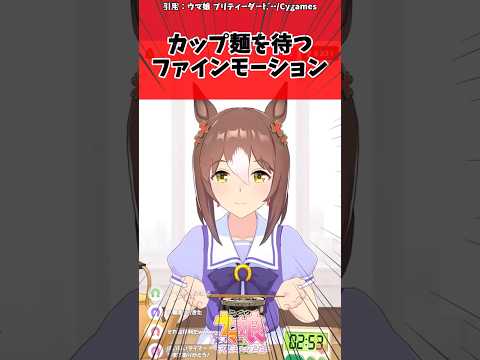
In a recent Uma Musume episode, the character Fine Motion waits for cup noodles to cook, displaying subtle facial expressions—particularly her eyes narrowing slightly—during the three-minute preparation time. This seemingly simple scene has generated significant viewer engagement, with comment sections filled with appreciation for the character animation and relatability of the moment. The scene exemplifies a broader trend in contemporary anime production: the strategic use of mundane daily activities to reveal character depth and foster emotional connection with audiences.
Why It Matters
This scene represents a fundamental shift in how anime creators approach character development and viewer engagement. Rather than relying solely on action sequences or dramatic plot points, modern productions recognize that audiences increasingly value authentic character moments. The cup noodle scene demonstrates that meticulous attention to detail in everyday situations—from facial expressions to the psychology of waiting—can create stronger emotional resonance than conventional narrative climaxes. This approach reflects evolving audience preferences toward “oshi-katsudou” (fan support culture), where viewers seek deeper knowledge of their favorite characters’ daily lives rather than plot progression alone.
Background
Uma Musume is a multimedia franchise that personifies real racehorses as characters in an anime series. Fine Motion, the featured character in this scene, is based on an actual racehorse that competed in Japanese racing venues. The franchise’s success stems from combining the non-everyday concept of horse personification with deeply realistic daily-life scenarios. This fusion of the fantastical and the mundane creates a unique appeal that distinguishes Uma Musume from other personification anime like “Kantai Collection” (which features military ships) or “Touken Ranbu” (which features Japanese swords).
The significance of food-centered scenes in anime has historical precedent. Works like “K-On!” built devoted fanbases around characters drinking tea and eating snacks in a school clubroom, while “Ramen Daisuki Koizumi-san” explored character personality through ramen consumption preferences. These productions established that food scenes function as powerful vehicles for character expression when executed with intentionality.
Key Points
- Subtle animation details matter: Fine Motion’s eyes narrowing during the waiting period conveys emotional states—anticipation, satisfaction, and patience—without dialogue, demonstrating sophisticated character animation techniques.
- Cup noodles as universal connector: Instant ramen represents a culturally significant, universally relatable food item that bridges the gap between viewers and characters, creating immediate psychological proximity.
- The psychology of waiting: The three-minute cooking time provides narrative space for character expression, allowing animators to communicate internal emotional shifts through micro-expressions and body language.
- Authenticity drives engagement: Viewers respond strongly to characters exhibiting “authentic” behavior—eating convenience foods while traveling, displaying genuine reactions—rather than idealized portrayals.
- Trend toward character-centric content: Recent successful anime prioritize intimate character moments over plot advancement, reflecting audience preferences for deeper parasocial connections with favorite characters.
- Production craftsmanship visibility: Detailed execution of mundane scenes signals to viewers that creators genuinely care about character portrayal, strengthening emotional investment.
Timeline
- 2010s: “K-On!” establishes the viability of slice-of-life anime centered on everyday character interactions.
- 2018: Uma Musume anime adaptation launches, introducing the concept of personified racehorses to mainstream audiences.
- 2019–2024: Anime industry increasingly emphasizes character-focused content over traditional narrative structures, with “Oshi no Ko” exemplifying this trend.
- Recent episode: Fine Motion cup noodle scene airs, generating widespread viewer appreciation and commentary on animation quality and character relatability.
Perspectives
The Animation Quality Perspective: From a technical standpoint, the scene demonstrates advanced character animation principles. The subtle eye narrowing represents deliberate artistic choice, not accident. Voice acting also contributes—professional voice actors modulate their delivery during mundane scenes to convey psychological nuance that viewers may not consciously register but emotionally absorb.
The Character Connection Perspective: Viewers interpret the scene as revealing Fine Motion’s “authentic self.” By showing the character in an unguarded moment—simply waiting for food—the production humanizes the personified racehorse, creating parasocial intimacy. Comments praising Fine Motion’s cuteness during this scene reflect this emotional connection deepening through vulnerability and relatability.
The Cultural Significance Perspective: Cup noodles carry specific cultural weight in Japan and among anime audiences. The scene of a character eating instant ramen while traveling abroad (implied by the New York context in the original video) simultaneously reinforces Japanese cultural identity while acknowledging the character’s ordinary humanity. This duality appeals to both domestic and international audiences.
The Production Philosophy Perspective: The scene reflects intentional creative decisions. Producers recognize that modern audiences, particularly those engaged in fan culture, value depth of character portrayal over narrative scope. Investing animation resources in a three-minute waiting sequence signals that character authenticity takes priority over plot efficiency.
Insights
The Uma Musume cup noodle scene encapsulates a significant evolution in anime production philosophy. Over the past 15 years, the medium has progressively recognized that emotional resonance emerges not from grandiose narrative moments but from meticulous attention to character authenticity in everyday situations. This represents a maturation of the medium—a shift from viewing anime primarily as plot-driven entertainment to understanding it as a vehicle for intimate character exploration.
The scene’s success also reflects broader changes in fan culture. The rise of “oshi-katsudou” (fan support activities) has transformed how audiences engage with media. Rather than passively consuming narrative, modern fans actively seek deeper knowledge of their favorite characters’ personalities, preferences, and daily routines. Anime producers have adapted by creating content that satisfies this appetite for character intimacy.
However, this trend raises important questions about the future of anime storytelling. While character-focused content clearly resonates with contemporary audiences, the potential over-emphasis on mundane scenes risks diminishing the value of complex narrative structures and thematic depth that defined acclaimed works of previous decades. The optimal path forward likely involves synthesis—integrating meticulous character expression techniques with substantive storytelling, allowing both approaches to coexist and enhance one another.
The cup noodle scene ultimately demonstrates that anime’s greatest strength lies not in its capacity for spectacle, but in its ability to capture the profound humanity within seemingly ordinary moments. When production teams invest genuine care into depicting characters authentically—even during something as simple as waiting for food—they create emotional connections that transcend typical entertainment consumption and enter the realm of meaningful artistic expression.