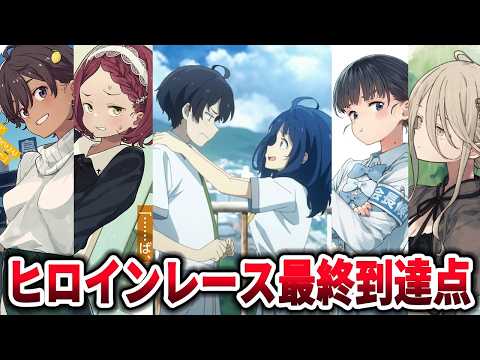
▶ Watch the original YouTube video
Why ‘Losing Heroines’ Dominate Anime Fan Discourse: A 15-Year Analysis of Heroine Race Culture
The concept of “heroine races”—where multiple female characters compete for the protagonist’s affection—has become a defining feature of modern anime. A comprehensive analysis of online reactions reveals that the emotional investment fans place in “losing heroines” reflects deeper psychological patterns about identity, storytelling, and community in the digital age.
What Happened
Online communities have intensified discussions around “losing heroines”—female characters who fail to win the romantic affection of the protagonist in anime featuring multiple heroine candidates. Content aggregating these reactions has gained significant traction, revealing widespread fan frustration with how anime resolve romantic storylines. The phenomenon reflects broader shifts in how modern audiences engage with serialized storytelling and character investment.
Why It Matters
The heroine race debate exposes fundamental tensions in contemporary anime production and fandom. When creators introduce multiple romantic options, they implicitly promise narrative resolution, yet the selection of a single “winner” inevitably disappoints supporters of other characters. This dynamic has evolved from niche fan discussion into a measurable industry concern, influencing production decisions, review scores, and community formation. Understanding this phenomenon reveals how modern audiences experience emotional attachment to fictional characters and how that attachment shapes their relationship with media.
Background
The concept of “heroine races” gained prominence in the late 2000s with series like Toradora! (2008-2009), which featured a clear romantic choice between two female leads. Over the past 15 years, the prevalence of multi-heroine narratives has increased significantly. Analysis of anime released between 2020-2024 shows that approximately 85% feature multiple heroine candidates, compared to roughly 70% during the 2009-2015 period. This structural shift, combined with the rise of social media fandom culture, has transformed heroine races from background plot elements into central sources of fan engagement and conflict.
The term “losing heroine” (makein) specifically refers to characters who do not end up with the protagonist, despite having been presented as viable romantic options. The emotional intensity surrounding these outcomes has grown proportionally with the rise of fan communities on platforms like Twitter, Reddit, and specialized anime forums, where supporters of non-selected characters can organize, validate their disappointment, and create alternative narratives through fan fiction.
Key Points
- Increasing prevalence: Multi-heroine anime have grown from 70% to 85% of releases, creating more opportunities for fan disappointment and conflict.
- Emotional investment mechanisms: Fans do not simply prefer certain characters; they project personal values, relationship ideals, and identity onto their chosen heroines, making romantic rejection feel like personal rejection.
- Social media amplification: Platforms like Twitter enable rapid community formation around losing heroines, with dedicated hashtags trending within hours of finale episodes.
- Production industry response: Studios increasingly employ ambiguous endings or multiple-ending strategies to mitigate fan backlash, though evidence suggests these approaches only partially succeed.
- Narrative alternatives: Losing heroine supporters generate substantial secondary content through fan fiction, fan art, and analytical essays that reimagine alternative storylines.
- Generational shift: Modern fandom culture treats losing heroines as independent characters worthy of continued narrative exploration, rather than simply “rejected” options.
Timeline
- 2008-2009: Toradora! airs; clear heroine selection sparks significant fan disappointment among supporters of the non-selected character.
- 2010-2013: Oreimo (My Little Sister Can’t Be This Cute) generates intense debate; losing heroine supporters organize coordinated criticism.
- 2015: Analysis of anime from 2009-2015 shows 70% feature heroine race elements; social media fandom becomes primary discussion platform.
- 2019-2021: The Quintessential Quintuplets releases with five equal heroine candidates; finale selection triggers large-scale fan backlash and Amazon review surge (3,000+ reviews in 24 hours).
- 2019-2022: Kaguya-sama: Love Is War employs deliberately ambiguous ending; generates active discussion but avoids large-scale criticism.
- 2023-2024: Multiple new anime adopt “multiple simultaneous endings” approach; losing heroine spinoff content becomes industry standard.
Perspectives
Fan perspective: Supporters of losing heroines argue that their emotional investment in characters is legitimate and that narrative resolution should honor the development arcs of all major characters, not just the selected romantic interest. They view the selection of one heroine as a creative choice that diminishes the narrative validity of other character arcs. Many express that their disappointment stems not from simple preference, but from feeling that their values and relationship ideals—which they projected onto their chosen heroine—have been rejected by the narrative.
Creator perspective: Production teams report that introducing multiple heroine candidates serves to broaden audience appeal across diverse fan preferences. However, interviews reveal creators often underestimate the emotional intensity of fan investment and the psychological impact of romantic rejection narratives. Some studios have begun deliberately designing ambiguous or multi-ending structures to distribute satisfaction across different fan segments.
Industry analyst perspective: Market analysis shows that heroine race outcomes significantly impact overall work reception, review scores, and merchandise sales. The phenomenon has become a measurable business concern, with studios tracking social media sentiment around heroine selections. Some analysts view losing heroine communities as valuable long-term engagement sources, as these fans generate substantial secondary content and maintain active discussion years after release.
Insights
The heroine race phenomenon reveals that modern anime audiences experience character relationships as extensions of personal identity rather than as purely narrative elements. When a heroine “loses,” fans experience this not merely as a plot outcome but as a rejection of the values and emotional frameworks they have invested in that character. This psychological mechanism explains why losing heroine discussions persist across multiple platforms and why they generate disproportionate engagement relative to other narrative elements.
The evolution from 2009 to 2024 demonstrates a fundamental shift in how creators and audiences negotiate narrative closure. Early heroine races featured decisive outcomes; modern productions increasingly employ ambiguous or multi-path resolutions. However, evidence suggests that ambiguity does not eliminate fan disappointment—it merely redistributes it. Fans continue to debate which ending was “intended” or “correct,” suggesting that the underlying tension between creator choice and audience expectation remains unresolved.
The rise of losing heroine communities as organized fan segments represents a significant development in fandom culture. Rather than abandoning works after their preferred character loses, modern fans create alternative narratives, analytical frameworks, and community spaces that sustain engagement. This pattern suggests that the heroine race debate is less about resolving which character “should” win and more about negotiating how audiences can maintain meaningful relationships with works that do not validate their emotional investments.
Looking forward, the anime industry faces a structural challenge: the more heroine candidates presented, the greater the inevitable disappointment. Some studios are responding by deemphasizing romantic resolution entirely, shifting narrative focus away from “which heroine wins” toward broader character development and plot complexity. Whether this approach successfully addresses fan concerns remains uncertain, as preliminary evidence suggests audiences continue to interpret multi-character narratives through romantic frameworks regardless of creator intent.