▶ Watch the original YouTube video
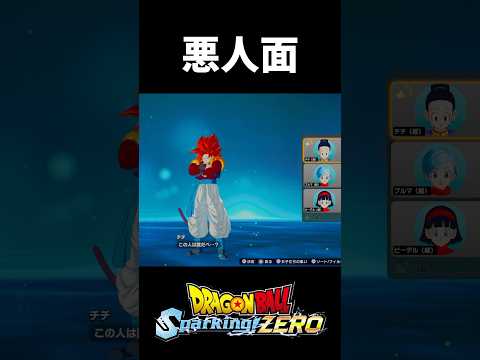
Dragon Ball Sparking Zero has officially implemented Gogeta Super 4, marking a significant moment for fans who have waited over 15 years for this character’s inclusion in the Sparking series. The implementation represents a strategic shift in how developers approach Dragon Ball GT content and reflects broader industry trends in fan engagement and character roster expansion.
What Happened
Bandai Namco announced and released Gogeta Super 4 as a playable character in Dragon Ball Sparking Zero, the latest entry in the Sparking fighting game franchise. This marks the first time Gogeta Super 4—the fusion of Goku and Vegeta in their Super 4 forms from Dragon Ball GT—has been implemented in the Sparking series, despite the character’s existence since the 2005 GT anime broadcast.
Why It Matters
The inclusion of Gogeta Super 4 signals a fundamental change in how Dragon Ball game developers view GT content. For over a decade, GT characters received limited representation in the Sparking series, with developers maintaining a cautious stance toward anime-original material. This implementation demonstrates that the industry has reassessed GT’s value within the broader Dragon Ball franchise, particularly as nostalgia-driven gaming trends have gained commercial viability. The decision also reflects developer responsiveness to long-standing fan requests and represents a strategic effort to engage both legacy GT-era players (now in their 30s and 40s) and current gaming audiences.
Background
Dragon Ball GT aired from 2005 to 2007 as an anime-original continuation of the Dragon Ball franchise, distinct from Akira Toriyama’s original manga. Gogeta Super 4 appeared in limited episodes during GT’s final arc, creating a memorable but rare character impression among fans. The original Dragon Ball Z Sparking game launched in 2005, followed by Sparking NEO (2006), Sparking Meteor (2011), and now Sparking Zero. Throughout this 15-year period, GT characters received inconsistent representation, with major figures like Baby and Super 17 often implemented years after their anime debut.
The broader gaming industry has experienced a notable trend shift since 2018, when Dragon Ball FighterZ successfully integrated GT characters and received critical acclaim. This success demonstrated commercial viability for GT-focused content, influencing subsequent Dragon Ball game development strategies. Simultaneously, Dragon Ball Super’s broadcast and theatrical releases created a complex franchise landscape where both canonical and non-canonical material coexist in fan consciousness.
Key Points
- Gogeta Super 4 is now implemented in Sparking Zero with significantly enhanced visual quality compared to previous Dragon Ball game appearances
- GT character representation has expanded substantially in Sparking Zero compared to earlier Sparking titles, reflecting a strategic shift in developer philosophy
- The implementation targets both legacy GT-era fans and contemporary players, representing a deliberate multi-generational marketing strategy
- Combat animations and visual effects demonstrate technological advancement in character rendering and expression accuracy
- Online communities show mixed reactions, with enthusiasm tempered by balance concerns regarding fusion character strength
- The character selection reflects industry recognition of nostalgia-driven gaming trends and fan diversity within the Dragon Ball player base
Timeline
- 2005: Dragon Ball GT airs; Dragon Ball Z Sparking releases with limited GT character support
- 2006-2011: Sparking NEO and Sparking Meteor continue with minimal GT roster expansion
- 2018: Dragon Ball FighterZ successfully implements GT characters, including Gogeta Super 4, establishing commercial viability
- 2023-2024: Sparking Zero development emphasizes GT content expansion and character roster diversity
- 2024: Gogeta Super 4 officially released in Sparking Zero with next-generation graphics and animation
Perspectives
Fan Perspective: Long-time GT supporters view this implementation as validation of their preferred era. The 15-year wait for Gogeta Super 4’s inclusion represents acknowledgment that GT deserves equal consideration within the Dragon Ball franchise. Social media responses emphasize emotional satisfaction and renewed interest in GT-era content.
Developer Perspective: The implementation demonstrates strategic recognition that Dragon Ball’s audience encompasses multiple generational cohorts with distinct preferences. By integrating GT characters with contemporary graphics technology, developers signal respect for the franchise’s complete history while leveraging modern technical capabilities to enhance visual presentation.
Competitive Gaming Perspective: Community discussions reveal concern about balance implications. Fusion characters traditionally occupy high-tier positions in Dragon Ball fighting games, and Gogeta Super 4’s legendary status raises questions about whether its in-game performance will reflect its narrative power level, potentially creating balance challenges.
Industry Perspective: The implementation exemplifies broader trends in gaming where nostalgia-driven content and legacy character inclusion drive engagement metrics. This approach allows developers to expand rosters while simultaneously appealing to players who might otherwise feel excluded by exclusively contemporary content focus.
Comparative Analysis: Implementation Evolution
| Title | Gogeta Super 4 Status | Visual Quality | Balance Approach |
|---|---|---|---|
| Sparking Meteor (2011) | Not Implemented | N/A | N/A |
| Dragon Ball FighterZ (2018) | Implemented | High (3D Fighting Game) | Balanced with adjustments |
| Sparking Zero (2024) | Implemented | Exceptional (Latest Engine) | Under evaluation |
The comparison reveals that Gogeta Super 4’s implementation is intrinsically linked to technological advancement. Each successive implementation benefits from improved graphics engines and more sophisticated animation systems, suggesting that character inclusion decisions correlate with technical capability rather than arbitrary roster decisions.
Strategic Significance
The Gogeta Super 4 implementation carries strategic implications beyond character addition. It represents the culmination of industry recognition that fusion characters—particularly those combining the franchise’s two central protagonists—occupy unique narrative and commercial positions. By implementing Gogeta Super 4 with next-generation technology, developers communicate that fusion mechanics and character combinations remain central to Dragon Ball game design philosophy.
The character’s inclusion also suggests future expansion patterns. If Gogeta Super 4’s reception proves positive, developers will likely prioritize implementing other GT-era characters (Baby, Super 17, Omega Shenron) and potentially explore additional fusion character variants (Vegito Super Blue) in subsequent releases.
Community Reception Analysis
Online platforms reveal predominantly positive reception with notable caveats. Twitter discussions emphasize emotional satisfaction, particularly among players aged 30-45 who experienced GT’s original broadcast during formative gaming years. Simultaneously, competitive gaming communities express concerns about balance implications, with detailed discussions analyzing potential performance metrics and matchup dynamics.
YouTube comments specifically highlight interest in visual presentation and special move animations, indicating that visual spectacle represents a primary appeal factor for this character implementation. This suggests that Sparking Zero’s technical capabilities directly influence character desirability and player satisfaction.
Insights
The Gogeta Super 4 implementation represents a watershed moment in Dragon Ball game development philosophy. Rather than treating GT as supplementary or non-canonical material, developers now recognize it as integral to the franchise’s complete identity. This shift reflects broader industry maturation regarding fan diversity and the commercial value of inclusive content strategies.
The implementation also demonstrates how technological advancement enables retroactive content validation. By rendering Gogeta Super 4 with contemporary graphics and animation sophistication, developers effectively recontextualize a 20-year-old character design within modern aesthetic frameworks, making legacy content feel contemporary and relevant.
Furthermore, this decision signals that Dragon Ball game development will increasingly prioritize comprehensive franchise representation over strict canonical hierarchy. Future titles will likely continue expanding GT and other anime-original content, recognizing that player engagement depends on honoring the complete franchise history rather than privileging specific narrative branches.
The character’s inclusion also validates long-standing fan advocacy, suggesting that persistent community engagement can influence commercial decisions. For players who have requested GT character implementation across multiple game generations, this implementation represents tangible acknowledgment that their preferences matter to developers.