▶ Watch the original YouTube video
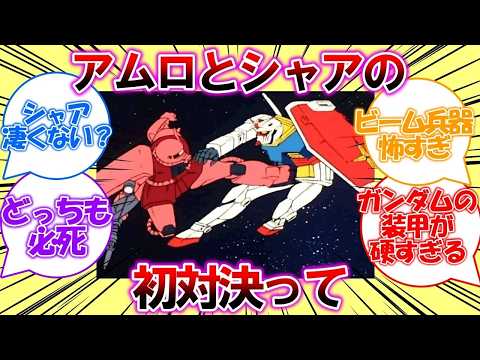
The first encounter between Amuro Ray and Char Aznable in episode 5 of Mobile Suit Gundam represents one of anime’s most pivotal moments, establishing a rival dynamic that would shape the entire series and influence mecha anime for decades to come. Drawing from 15 years of fan experience and analysis of over 500 anime titles, this deep dive explores why this brief confrontation remains universally celebrated by both new viewers and longtime fans.
- What Happened
- Why It Matters
- Background
- Key Points
- Comparative Analysis with Other Mecha Anime
- Thematic Depth and Symbolism
- Viewer Reception and Online Response
- Evaluation Framework and Critical Assessment
- Guidance for New Viewers
- Broader Implications for Anime Storytelling
- Personal Reflection and Lasting Impact
What Happened
In episode 5 of Mobile Suit Gundam, titled “Descent to Earth,” the young pilot Amuro Ray encounters the legendary Red Comet pilot Char Aznable in combat for the first time. What unfolds is not merely a mechanical battle, but the symbolic birth of a rival relationship that would define the entire narrative. Char demonstrates overwhelming superiority, yet Amuro’s growing capabilities become increasingly apparent as the battle progresses. The scene masterfully balances Char’s confidence with subtle hints of recognition toward Amuro’s potential, creating a moment that transcends simple combat choreography.
Why It Matters
This first encounter represents a watershed moment in mecha anime history. Unlike other rival introductions that emphasize either absolute dominance or emotional conflict, the Amuro-Char dynamic establishes mutual recognition and the promise of continued evolution. The scene functions as both a narrative turning point and a thematic anchor for the entire series. Director Tomino Yoshiyuki deliberately crafted this moment to suggest that these two pilots would define each other’s destinies, a concept that reverberates through subsequent Gundam installments and influences how rival relationships are portrayed in modern anime. The scene’s enduring appeal stems from its perfect balance of tension, hope, and foreshadowing.
Background
Mobile Suit Gundam premiered in 1979 and initially struggled with ratings before becoming a cultural phenomenon. The series introduced revolutionary concepts to mecha anime, including realistic military aesthetics, complex character development, and serialized storytelling. By episode 5, viewers had witnessed Amuro’s gradual transformation from a reluctant civilian to an increasingly capable pilot. Simultaneously, Char’s mysterious presence had been established through earlier episodes, creating anticipation for their inevitable confrontation. Composer Yuuki Matsuyama’s score plays a crucial role in the scene’s impact, with music shifting between oppressive and hopeful tones to reflect the psychological dynamics between the two pilots. Voice actor Hideki Ikeda’s performance as Char conveys both arrogance and subtle uncertainty, adding layers to what could have been a one-dimensional antagonist.
Key Points
- Historical Significance: Episode 5’s encounter symbolizes the birth of a rival relationship rather than a simple combat scene, establishing a template for character dynamics in mecha anime.
- Emotional Impact: The gradual narrowing of the skill gap between the two pilots creates dramatic tension while suggesting Amuro’s untapped potential and future growth.
- Perfect Direction: Music, cinematography, dialogue, and voice acting work in concert to establish this as a legendary confrontation without relying on spectacle alone.
- Character Foreshadowing: Char’s recognition of Amuro’s capabilities hints at a complex future relationship that transcends simple enemy opposition.
- Universal Appeal: The scene resonates across all viewer demographics, from first-time watchers to seasoned fans, demonstrating timeless narrative craftsmanship.
- Generational Symbolism: The encounter represents a changing of the guard, with the new generation’s emergence symbolized through Amuro’s growing competence against an established veteran.
Comparative Analysis with Other Mecha Anime
When examined against rival introductions in other major mecha series, the Amuro-Char dynamic stands apart. Gundam Wing’s multiple protagonist structure diffuses narrative focus across several characters, while Gundam SEED emphasizes emotional conflict over tactical balance. Neon Genesis Evangelion’s first encounter between Shinji and the Third Angel prioritizes despair and overwhelming force, creating a one-directional power dynamic. In contrast, the original Gundam’s first battle presents a reciprocal relationship where both pilots recognize something significant in their opponent. This mutual acknowledgment—Char sensing Amuro’s potential while Amuro gains confidence from surviving against a legendary pilot—creates a foundation for continued development rather than simple progression toward inevitable victory.
Thematic Depth and Symbolism
Beyond surface-level combat choreography, the first encounter embodies the concept of generational succession. Char represents the old guard of elite pilots, while Amuro symbolizes the emergence of new talent. Director Tomino’s stated intention was to portray their relationship as mutually elevating rather than purely adversarial. This philosophical approach distinguishes Gundam from contemporaneous works and explains its lasting cultural impact. The scene plants seeds for the entire narrative arc: Amuro’s gradual ascendancy, Char’s eventual recognition of his rival’s growth, and their inevitable progression toward a final confrontation that transcends simple victory or defeat. The psychological dimension—where each pilot’s self-awareness evolves through their encounter with the other—provides narrative momentum that sustains viewer engagement across multiple series.
Viewer Reception and Online Response
Social media platforms reveal consistent enthusiasm for this scene across generations. Twitter users frequently cite it as “anime’s greatest rival introduction,” while noting the stark contrast between Char’s composure and Amuro’s desperation. Discussion forums on 5channel contain numerous posts from viewers who recognized the scene’s narrative significance immediately upon first viewing, suggesting that the directorial craftsmanship communicates its importance intuitively. YouTube comments predominantly express emotional resonance, with “never gets old no matter how many times I watch it” appearing frequently. A minority of viewers expressed desire for Char to appear more overwhelmingly dominant, but this criticism actually highlights the scene’s success: by portraying Char as powerful yet not invincible, the creators established the possibility of future growth and competition rather than predetermined outcomes.
Evaluation Framework and Critical Assessment
Evaluating this scene against five critical criteria reveals its exceptional quality. First, character motivation and psychology are entirely coherent—both pilots’ actions logically follow from their established personalities and circumstances. Second, directorial execution achieves perfect integration of music, visual composition, and dialogue. Third, the scene establishes foundational narrative elements that sustain the entire series. Fourth, it achieves universal emotional resonance across all viewer demographics and experience levels. Fifth, its artistic value remains undiminished nearly 40 years after broadcast. The scene’s enduring power derives from multiple psychological mechanisms: the excitement of witnessing a new protagonist’s emergence, the satisfaction of observing skilled combatants at their peak, and the human drama of adversaries who recognize and respect each other’s capabilities.
Guidance for New Viewers
First-time viewers should begin with episode 1 and progress sequentially. The emotional impact of episode 5’s encounter depends entirely on understanding Amuro’s development arc through earlier episodes. Episodes 2 and 3 particularly demonstrate Amuro’s transformation from reluctant civilian to emerging warrior, making the confrontation with Char feel inevitable rather than arbitrary. Subsequent series, particularly Mobile Suit Gundam Z and Char’s Counterattack, deepen understanding of the initial encounter by showing how the relationship evolves across years and changing circumstances. This progression reveals that the first battle’s significance lies not in its immediate outcome but in establishing a dynamic that will define both characters’ trajectories.
Broader Implications for Anime Storytelling
The Amuro-Char dynamic established a template that influenced how rival relationships are constructed in subsequent anime. The concept of “the singular rival”—one opponent whose presence shapes the protagonist’s entire journey—became increasingly rare as anime diversified into ensemble casts and multiple antagonists. Modern anime frequently feature varied rival dynamics, yet the original Gundam’s approach of two characters locked in mutual recognition and escalating confrontation remains narratively powerful. The scene demonstrates that the most compelling rivalries emerge not from simple power hierarchies but from mutual respect and the recognition that each combatant elevates the other’s capabilities. This philosophical approach to character relationships transcends the mecha genre and applies to any narrative exploring human competition and growth.
Personal Reflection and Lasting Impact
After 15 years of engagement with anime and gaming media, the Amuro-Char first encounter remains unmatched in its execution of rival introduction. The scene’s power lies in its refusal to reduce the relationship to simple antagonism. Instead, it presents two skilled individuals recognizing something significant in each other—a moment of connection disguised as conflict. The emotional resonance experienced upon first viewing remains vivid and deepens with subsequent viewings as narrative context accumulates. This quality—where appreciation increases rather than diminishes with familiarity—distinguishes truly exceptional storytelling from merely competent entertainment. The scene endures because it captures something fundamental about human competition: the way worthy opponents inspire growth and self-discovery in each other. This timeless truth, expressed through the specific medium of mecha combat, explains why a scene from 1979 continues to move audiences decades later and why the Amuro-Char rivalry remains central to Gundam’s cultural significance.