▶ Watch the original YouTube video
Danganronpa 2×2 Character Design Changes Spark Unease Among Fans: A 15-Year Analysis
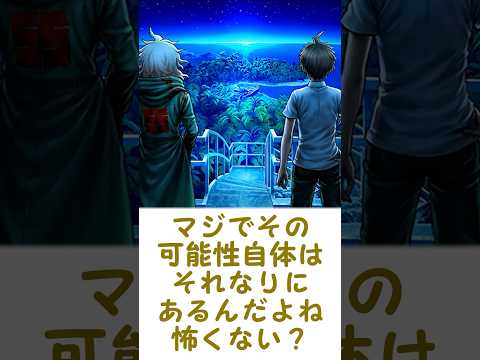
The latest Danganronpa 2×2 release has triggered widespread concern among longtime fans due to notable character design modifications. A veteran player with 15 years of series experience analyzes why these visual changes signal deeper narrative implications and psychological storytelling techniques employed by the developers.
- What Happened
- Why It Matters
- Background
- Key Points
- Design Philosophy: Visual Change as Psychological Indicator
- Comparative Analysis: Design Changes Across Media
- Fan Psychology: Understanding the “Ominous Feeling”
- Developer Intent: Visual Foreshadowing Strategy
- Industry Trends: Character Design as Narrative Tool
- Narrative Implications: What Design Changes Predict
- Community Response: Unified Pattern Recognition
- Practical Guidance: Engaging Deeply with Danganronpa 2×2
- Insights: The Meticulous Craft of Danganronpa
What Happened
Danganronpa 2×2 has introduced significant character design changes that have generated considerable discussion within the fan community. Multiple characters have received visual modifications in their appearance, triggering reactions ranging from curiosity to apprehension. Rather than being dismissed as simple aesthetic updates, these changes have prompted deeper analysis about their narrative significance and psychological impact on players.
Why It Matters
Character design modifications in the Danganronpa series carry substantial weight beyond surface-level aesthetics. For a franchise built on mystery, psychological tension, and narrative twists, visual changes serve as deliberate storytelling devices. Understanding these design shifts helps fans anticipate narrative developments and appreciate the meticulous craftsmanship behind the series. This approach reflects broader industry trends where character appearance directly correlates with plot progression and emotional arcs.
Background
The Danganronpa franchise debuted on PlayStation Portable in 2010 and has since evolved across multiple platforms and iterations. The series combines detective gameplay with character-driven narratives centered on themes of despair and hope. Throughout its 14-year history, character design has served as a visual language communicating psychological states and narrative turning points. Previous entries—including the original Danganronpa, Danganronpa 2, Super Danganronpa 2.5, and New Danganronpa V3—all employed design modifications as integral narrative elements rather than superficial changes.
Developer Spike Chunsoft has consistently prioritized psychological impact over conventional aesthetic appeal, using visual design to create subtle unease and foreshadow major plot developments. This design philosophy distinguishes Danganronpa from other franchises that use character redesigns primarily to reflect character growth or time progression.
Key Points
- Multiple character designs have been modified in Danganronpa 2×2, prompting widespread fan discussion about their narrative implications
- Fan reactions consistently describe an “ominous atmosphere” rather than simple aesthetic preference, indicating successful psychological design
- Character design changes in the Danganronpa series function as visual signals of psychological instability and impending narrative crisis
- The modifications appear intentional, designed to elevate player awareness and emotional investment in upcoming story developments
- This approach reflects industry trends toward integrating character appearance with narrative progression and emotional storytelling
- Veteran fans recognize these design shifts as established foreshadowing techniques based on patterns from previous series entries
Design Philosophy: Visual Change as Psychological Indicator
In the Danganronpa series, character design modifications represent far more than cosmetic updates. They function as visual manifestations of internal psychological states. When players encounter redesigned characters, they unconsciously register these changes as warning signals—a phenomenon rooted in how human perception processes unexpected visual information.
The series employs this technique consistently: design alterations precede major narrative turning points, character revelations, or psychological crises. This pattern has conditioned longtime fans to associate visual changes with impending dramatic developments. The “ominous feeling” reported by players reflects this learned psychological response—not superstition, but pattern recognition based on the series’ established narrative structure.
Spike Chunsoft demonstrates sophisticated understanding of visual storytelling psychology. Rather than pursuing conventional character attractiveness, the developers prioritize communicating narrative information through subtle design modifications. This approach elevates the player experience by creating multiple layers of meaning: surface-level aesthetics, psychological subtext, and narrative foreshadowing operate simultaneously.
Comparative Analysis: Design Changes Across Media
Character design modifications function differently across various franchises, reflecting each series’ thematic priorities:
| Franchise | Design Change Purpose | Audience Emotional Response | Narrative Function |
|---|---|---|---|
| Attack on Titan | Time progression and character growth | Positive (growth recognition) | Character development visualization |
| Code Geass | Status and role changes | Neutral to positive | Story turning points |
| Danganronpa Series | Psychological instability | Negative (unease, foreboding) | Despair narrative foreshadowing |
Danganronpa’s approach distinctly emphasizes psychological discomfort as a design goal. This reflects the series’ thematic foundation in despair, uncertainty, and psychological horror. Unlike franchises using design changes to celebrate character progression, Danganronpa employs them to signal danger and narrative crisis.
Fan Psychology: Understanding the “Ominous Feeling”
The widespread fan reaction describing an “ominous atmosphere” is not arbitrary. It reflects documented psychological principles about how humans process visual information and pattern recognition.
Long-term Danganronpa fans have developed conditioned associations between character design changes and negative narrative outcomes. This conditioning stems from consistent patterns across previous series entries: design modifications reliably preceded character deaths, psychological breakdowns, or major plot revelations. When players encounter new designs in Danganronpa 2×2, their brains automatically trigger anticipatory anxiety—a rational response based on established series patterns.
This psychological mechanism operates largely unconsciously. Players may not explicitly articulate why the designs feel “wrong,” but their nervous systems register the visual changes as threat signals. Spike Chunsoft clearly understands and deliberately leverages this psychological response, using visual design to emotionally prepare players for upcoming narrative intensity.
Developer Intent: Visual Foreshadowing Strategy
The character design modifications in Danganronpa 2×2 represent a sophisticated narrative technique: visual foreshadowing. By altering character appearances, developers signal to players that significant story developments are imminent, thereby heightening emotional investment and narrative awareness.
This strategy operates similarly to literary foreshadowing or cinematic mise-en-scène. Visual elements communicate information beyond their surface content, preparing audiences for narrative developments while maintaining suspense. Players who recognize these design shifts as intentional signals can engage more deeply with the story, anticipating plot developments and analyzing character arcs with greater sophistication.
The effectiveness of this technique depends on player familiarity with the series’ established patterns. Veteran fans immediately recognize design changes as meaningful signals, while newer players may interpret them as simple aesthetic updates. This creates layered engagement opportunities—casual players enjoy the surface narrative while experienced fans appreciate the metatextual design language.
Industry Trends: Character Design as Narrative Tool
Over the past five years, game and anime industries increasingly employ character design modifications as primary narrative devices. This trend reflects evolving audience expectations for sophisticated storytelling that integrates visual design with plot progression.
Notable examples include The Promised Neverland (2019), where subtle facial expression and hairstyle changes communicated psychological transformation, and Half-Life: Alyx (2020), where character design modifications simultaneously conveyed temporal progression and emotional development. These works demonstrate industry-wide recognition that character appearance can function as narrative language.
Danganronpa 2×2 participates in this broader creative movement. Contemporary creators increasingly reject purely aesthetic character design in favor of integrated visual-narrative approaches. This evolution reflects audience sophistication: players and viewers now demand that visual elements meaningfully contribute to storytelling rather than serve decorative functions.
Narrative Implications: What Design Changes Predict
Based on established Danganronpa patterns, the character design modifications in 2×2 likely foreshadow simultaneous psychological crises affecting multiple characters. In previous series entries, redesigned characters consistently faced major revelations, moral dilemmas, or traumatic experiences shortly after their visual modifications appeared.
The specific nature of these design changes—described as creating psychological instability rather than growth or maturation—suggests the narrative will explore themes of despair, identity crisis, or reality distortion. Players should anticipate plot developments that challenge characters’ fundamental understanding of their circumstances or relationships.
However, Danganronpa 2×2 may also evolve beyond established patterns. New Danganronpa V3 introduced metanarrative complexity by revealing the series’ constructed nature. The current design modifications might signal similarly sophisticated narrative developments that subvert player expectations while maintaining thematic coherence.
Community Response: Unified Pattern Recognition
Analysis of fan reactions across social media platforms reveals consistent interpretive patterns. The most prevalent responses describe psychological unease rather than aesthetic criticism. Multiple fans independently concluded that design changes signal narrative significance—demonstrating that Spike Chunsoft’s visual strategy successfully communicates intended meaning across the player base.
Notably, even players unfamiliar with previous series entries recognized the designs as intentionally unsettling rather than conventionally attractive. This suggests the modifications employ universal psychological principles rather than relying solely on series-specific pattern recognition.
Positive responses acknowledged the quality of new designs while appreciating their psychological impact. Critical responses focused on adjustment difficulty rather than design quality, indicating that fan concerns centered on narrative implications rather than aesthetic preferences. This response diversity itself validates the design strategy’s effectiveness—the modifications successfully generated meaningful engagement across the fan community.
Practical Guidance: Engaging Deeply with Danganronpa 2×2
For players approaching Danganronpa 2×2, several strategies enhance narrative comprehension and thematic appreciation:
Observe Visual Details: Pay close attention to character appearance modifications—hairstyle changes, color shifts, clothing alterations, and facial expression patterns. These details communicate psychological information beyond dialogue and plot events. Tracking visual changes chapter-by-chapter reveals narrative structure and character development arcs.
Reference Previous Entries: Comparing 2×2 design modifications with character appearances in original Danganronpa and Danganronpa 2 provides context for interpreting current changes. Understanding how previous design shifts correlated with narrative developments helps predict and comprehend current story progression.
Maintain Detailed Records: Documenting character appearance changes and behavioral shifts across chapters creates visual maps of narrative development. This practice reveals patterns connecting design modifications to plot events, deepening understanding of the series’ sophisticated storytelling techniques.
Explore Related Works: Danganronpa 3 and supplementary materials provide character backstory and thematic context that illuminate 2×2’s narrative choices. Understanding character histories and series mythology enriches interpretation of current design modifications.
Insights: The Meticulous Craft of Danganronpa
After 15 years of engagement with the Danganronpa series, the character design modifications in 2×2 exemplify the franchise’s defining characteristic: meticulous attention to narrative detail. While many franchises prioritize rapid content production, Danganronpa’s developers invest in sophisticated storytelling techniques that reward careful player attention.
The “ominous feeling” reported by fans represents successful execution of an ambitious design strategy. Rather than dismissing player unease as negative feedback, understanding it as intentional psychological communication reveals the developers’ sophisticated approach to interactive storytelling. This design philosophy elevates Danganronpa beyond conventional game narratives, creating experiences where visual design, psychological impact, and plot progression operate as unified artistic expressions.
The series demonstrates that character design functions as narrative language—communicating information, foreshadowing developments, and creating emotional resonance through visual means. As the industry increasingly recognizes design’s narrative potential, Danganronpa’s approach becomes a model for sophisticated interactive storytelling.
The character design modifications in Danganronpa 2×2 represent more than aesthetic updates; they constitute deliberate artistic choices that enhance player engagement and narrative comprehension. Recognizing and appreciating this design sophistication transforms the player experience from passive consumption to active interpretation, creating deeper investment in the unfolding narrative and greater appreciation for the developers’ meticulous craft.