▶ Watch the original YouTube video
Makoto Naegi Merchandise Sells Out in Minutes: Fan Reactions and What It Reveals About Danganronpa’s Enduring Appeal
Merchandise featuring Makoto Naegi from the long-running visual novel series Danganronpa sold out in record time, sparking widespread discussion across social media about the franchise’s sustained popularity and the intense “oshi-activity” culture among anime and gaming fans.
What Happened
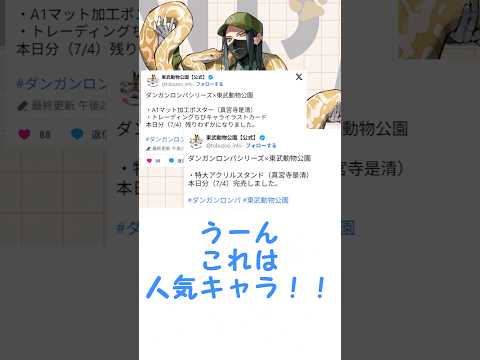
Merchandise featuring Makoto Naegi, a central character from the Danganronpa visual novel series, sold out within an exceptionally short timeframe following its release. The rapid depletion of stock generated significant buzz across social media platforms, with fans expressing both joy at securing purchases and frustration at missing out. The speed of the sellout has become a notable indicator of the character’s sustained popularity within the franchise’s fanbase.
Why It Matters
The rapid sellout of Makoto Naegi merchandise reveals important insights about the current state of the Danganronpa franchise and broader trends in anime and gaming fan culture. Rather than representing a sudden spike in popularity, the phenomenon demonstrates the franchise’s ability to maintain a dedicated, economically active fanbase over more than a decade. This sustained interest has significant implications for merchandise strategy, future content development, and the long-term viability of the Danganronpa intellectual property. The event also illustrates the growing influence of “oshi-activity” culture—the practice of actively supporting and purchasing merchandise for favorite characters—in driving consumer behavior within fan communities.
Background
Danganronpa is a visual novel franchise that debuted in 2010 with “Danganronpa: Trigger Happy Havoc” on the PlayStation Portable. The series combines mystery, detective work, and psychological drama, following students trapped in deadly scenarios where they must identify culprits through investigation and debate. Makoto Naegi, the protagonist of the original game, has consistently ranked among the most popular characters throughout the franchise’s history. Unlike recent anime and gaming phenomena such as “Attack on Titan” or “Demon Slayer,” which experienced explosive popularity through new anime adaptations or film releases, Danganronpa’s current momentum stems from long-term, stable fan support accumulated over more than a decade. The franchise’s fanbase has matured alongside the series, with many original fans now in their late twenties to thirties, possessing greater purchasing power than younger audiences.
Key Points
- Rapid Sellout: Makoto Naegi merchandise sold out in an exceptionally short timeframe following release, indicating extremely high demand relative to available stock.
- Fan Enthusiasm: Social media reactions reveal passionate engagement from the fanbase, with both successful purchasers celebrating their acquisitions and unsuccessful buyers expressing disappointment.
- Character Popularity Confirmed: The merchandise sellout provides concrete evidence that Makoto Naegi remains one of the franchise’s most beloved characters, maintaining strong appeal years after the original game’s release.
- Supply-Demand Imbalance: The rapid depletion suggests that merchandise manufacturers may have underestimated demand or intentionally limited supply to create scarcity.
- Franchise Vitality: The event demonstrates that Danganronpa continues to command significant fan engagement and commercial viability despite being over a decade old.
- “Oshi-Activity” Culture: The phenomenon reflects the growing prevalence of character-focused fan support and merchandise consumption in contemporary anime and gaming communities.
Timeline
- 2010: Original Danganronpa game released on PlayStation Portable, introducing Makoto Naegi and establishing the franchise.
- 2010s: Danganronpa series expands with sequels and spin-offs, building a dedicated fanbase through the decade.
- 2012–2015: Peak period of fan community discussion and analysis regarding character depth and psychological complexity.
- Recent Years: Shift toward character-focused merchandise and “oshi-activity” culture becomes mainstream in anime/gaming communities.
- Recent Event: Makoto Naegi merchandise released and sold out in record time, generating widespread social media discussion.
Perspectives
Fan Perspective: Successful purchasers celebrate acquiring limited merchandise and view the purchase as validation of their fan status. Unsuccessful buyers express frustration and disappointment, viewing the limited supply as a missed opportunity. Many fans advocate for increased merchandise production to meet demand.
Merchandise Strategy Perspective: The rapid sellout may reflect either underestimation of demand or intentional supply limitation to create scarcity and drive urgency. Limited availability can enhance perceived value and exclusivity, encouraging faster purchasing decisions.
Franchise Development Perspective: The strong merchandise performance provides concrete evidence of sustained fan interest, potentially justifying investment in new Danganronpa games, anime, or other content. The data demonstrates that the franchise retains commercial viability despite its age.
Market Analysis Perspective: The Makoto Naegi merchandise sellout differs from recent phenomena like “Attack on Titan” or “Demon Slayer,” which experienced explosive growth through new media releases. Danganronpa’s sustained demand reflects stable, long-term fanbase loyalty rather than temporary trend-driven purchasing.
Insights
The rapid sellout of Makoto Naegi merchandise reveals that Danganronpa has successfully transitioned from a niche visual novel franchise into a sustained cultural property with a mature, economically engaged fanbase. Unlike franchises that experience boom-and-bust cycles tied to new releases, Danganronpa demonstrates the capacity to maintain consistent fan interest over more than a decade through character depth, psychological complexity, and community engagement.
The phenomenon also illustrates the maturation of “oshi-activity” culture in anime and gaming communities. What was once peripheral fan behavior has become normalized and economically significant. Fans now actively plan purchases, monitor multiple sales channels, and coordinate community efforts to secure limited merchandise. This represents a fundamental shift in how fan communities engage with their preferred franchises.
The supply-demand imbalance evident in the merchandise sellout presents both opportunity and risk. While limited availability drives urgency and perceived value, persistent stock shortages may generate long-term frustration and alienate portions of the fanbase. Merchandise manufacturers and franchise holders must balance scarcity-driven demand with sufficient supply to accommodate the demonstrated market interest.
Looking forward, the strong performance of Makoto Naegi merchandise likely signals increased investment in Danganronpa-related products and content. The franchise’s proven ability to sustain fan engagement and drive merchandise sales provides clear justification for new game development, anime productions, and expanded merchandise lines. The event serves as concrete evidence that Danganronpa remains a viable and valuable intellectual property in an increasingly competitive entertainment landscape.