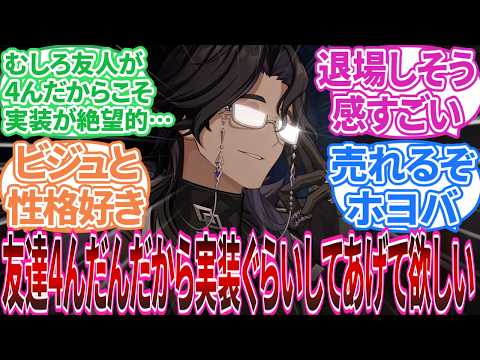
▶ Watch the original YouTube video
Could Fatui Harbinger Alhaitham Be Implemented in Genshin Impact? A Deep Analysis of Player Reactions and Story Possibilities
Genshin Impact players have long debated whether the Fatui Harbinger character could become a playable hero, despite their antagonistic role in the game’s story. A recent video compilation of player reactions has reignited this discussion, revealing complex arguments about character implementation, narrative constraints, and industry trends that challenge conventional game design assumptions.
- What Happened
- Why It Matters
- Background
- Key Points
- Comparative Analysis: How Other Games Handle Enemy Characters
- The Core Narrative Problem: Friendship and Profit
- Regional and Cultural Considerations
- The Regulation Challenge: Smoking and Content Standards
- Business and Player Demand Analysis
- Gender Balance and Implementation Scheduling
- Precedent and Timeline Expectations
- Player Psychology: The Desire for Narrative Closure
- Insights and Broader Implications
What Happened
A viral video compilation titled “Player Reactions to: Will the Fatui Harbinger Ever Be Implemented?” has sparked renewed debate within the Genshin Impact community about the feasibility of adding this complex antagonist as a playable character. The video showcases diverse player opinions ranging from enthusiastic support to skeptical analysis, with many pointing to the character’s death of a close ally as a fundamental narrative obstacle to implementation.
Why It Matters
This discussion extends beyond typical character speculation. It reveals fundamental tensions in modern game design: the conflict between narrative consistency and player agency, the business incentives for implementing popular characters, and how different gaming cultures (Chinese versus Japanese audiences) approach character implementation differently. Understanding this debate provides insight into how live-service games balance storytelling with player satisfaction and monetization strategies.
Background
The Fatui Harbinger in question occupies a unique narrative position in Genshin Impact. Unlike straightforward antagonists, this character exists in moral ambiguity—motivated by profit and self-interest while maintaining a friendship with another character central to the story. When that character dies, the Harbinger’s role becomes even more complicated: are they a villain deserving punishment, or a complex figure worthy of redemption and playability?
Genshin Impact has already established precedent for implementing former enemies as playable characters. Scaramouche and Sandrone both transitioned from antagonist roles to playable heroes, suggesting that narrative obstacles are not insurmountable. However, the Harbinger’s situation differs in key ways that complicate straightforward implementation.
Key Points
- Player Opinion Divide: The community splits between those who want the character implemented as a tribute to their deceased ally, and those who argue the death itself makes implementation narratively impossible.
- Narrative Complexity: The Harbinger is not a clear-cut villain but a character caught between profit motives and personal relationships, creating ambiguity that complicates implementation decisions.
- Character Design Expectations: Players envision specific mechanics tied to the character’s identity—smoking animations, broken glasses, and tobacco-related abilities—raising questions about content regulation across different regions.
- Regional Differences: Chinese players appear more accepting of villainous character implementations, while Japanese audiences expect more nuanced narrative justification.
- Implementation Timeline: Precedent suggests a one-year-plus delay between initial appearance and playable implementation, suggesting any Harbinger release remains distant.
- Business Incentive: Strong player demand signals clear monetization potential, creating pressure on developers to overcome narrative obstacles.
Comparative Analysis: How Other Games Handle Enemy Characters
Examining similar situations in other major titles reveals different approaches to this design challenge:
| Game Title | Character | Implementation Method | Narrative Treatment |
|---|---|---|---|
| Fate/Grand Order | Gilgamesh | Implemented after narrative redemption | Character alignment shifts across story routes |
| Azur Lane | Akagi | Implemented as enemy faction character | Enemy/ally distinction remains ambiguous |
| Genshin Impact | Scaramouche | Implemented after story role change | Character narrative arc leads to playability |
| Genshin Impact | Fatui Harbinger | Undetermined | Status remains unresolved |
Genshin Impact’s successful implementation of Scaramouche proves that enemy characters can transition to playable status. However, the Harbinger’s situation differs: their story arc remains incomplete, and their relationship to the deceased ally creates unique narrative constraints that Scaramouche did not face.
The Core Narrative Problem: Friendship and Profit
The fundamental issue preventing straightforward implementation lies in the Harbinger’s relationship with their deceased ally. Unlike characters motivated purely by villainy or ideology, the Harbinger operates in a gray zone—they knowingly profited from their friend’s dangerous activities while maintaining the friendship itself.
This creates a logical paradox for implementation: if the Harbinger becomes playable, players will inevitably ask why a character complicit in their friend’s fate now fights alongside the player. This question strikes at the heart of narrative consistency. The game would need to either:
- Reveal the friend’s survival or resurrection
- Show the Harbinger’s genuine remorse and character transformation
- Establish that the friendship was always transactional, removing moral weight
- Accept narrative inconsistency as the cost of implementation
Regional and Cultural Considerations
Player reactions in the video reveal significant regional differences in expectations. Chinese players appear more comfortable with antagonistic characters remaining antagonistic even after implementation—the game world simply expands to include multiple factions with different alignments.
Japanese and Western audiences, by contrast, expect more narrative justification for character implementation. They want story arcs that explain why former enemies now fight alongside the protagonist. This cultural difference in storytelling expectations creates additional pressure on developers to craft a satisfying narrative bridge.
The Regulation Challenge: Smoking and Content Standards
One practical obstacle raised in player discussions concerns the Harbinger’s most distinctive characteristic: smoking. Different regions maintain different standards for content depicting tobacco use, particularly in games marketed to younger audiences.
Genshin Impact has precedent for adapting character expressions to meet regional standards. However, smoking represents a core part of this character’s identity and visual design. Any implementation would require careful consideration of how to preserve character authenticity while respecting regional regulations—a balance that proved challenging in other games and may influence implementation decisions.
Business and Player Demand Analysis
The video compilation includes a telling comment: “I’ll spend money regardless of their element—just implement them.” This statement reflects genuine monetization potential that miHoYo cannot ignore. In live-service games, player demand directly translates to revenue projections.
From a business perspective, implementing a character with demonstrated player enthusiasm makes financial sense. The question becomes not whether implementation is possible, but whether narrative obstacles justify forgoing the revenue opportunity. As player demand accumulates over time, the business case for implementation strengthens.
Gender Balance and Implementation Scheduling
Genshin Impact’s character roster reveals intentional gender balance management. Analysis of male character distribution across regions shows:
- Mondstadt: 4 male characters
- Liyue: 6 male characters
- Inazuma: 6 male characters
- Sumeru: 7 male characters
- Fontaine: 6 male characters
This pattern suggests miHoYo carefully manages male character implementation to maintain perceived balance. The Harbinger’s implementation would depend partly on when the next male character slot becomes available in the development schedule—a constraint that may delay but not prevent eventual implementation.
Precedent and Timeline Expectations
Based on Genshin Impact’s history with character implementations, a realistic timeline emerges. Scaramouche appeared as an antagonist in Version 2.1 (September 2021) but did not become playable until Version 3.2 (November 2022)—a 14-month gap. Sandrone followed a similar pattern with extended delay between introduction and implementation.
If the Harbinger follows this precedent, implementation could occur 12-18 months after their current story role solidifies. This timeline provides opportunity for narrative development that might resolve the current ambiguity and create a more satisfying story arc leading to playability.
Player Psychology: The Desire for Narrative Closure
Many player comments reveal a deeper motivation than simple character preference. Statements like “their friend died, so they deserve to be implemented” reflect a desire for narrative closure—the wish to experience the character’s story arc through gameplay rather than passive storytelling.
This psychology mirrors experiences in other narrative-driven games. When players form attachments to characters, they want agency in those relationships. Making a character playable transforms them from a narrative object into a participatory experience, fundamentally changing how players engage with that character’s story.
Insights and Broader Implications
The Harbinger implementation debate reveals how modern live-service games navigate the tension between narrative integrity and player agency. Several broader patterns emerge:
First, player demand increasingly overrides narrative constraints. As gaming audiences mature and communities organize around character preferences, developers face mounting pressure to implement popular characters regardless of story obstacles. The question shifts from “should we implement this character?” to “how do we implement this character in a way that satisfies both narrative and player expectations?”
Second, moral ambiguity in character design creates implementation opportunities rather than obstacles. Characters like the Harbinger—neither purely good nor evil—offer more flexible narrative pathways than straightforward villains. This complexity, while creating short-term implementation challenges, ultimately provides more satisfying long-term storytelling possibilities.
Third, regional and cultural differences in storytelling expectations require localized implementation strategies. A one-size-fits-all approach to character implementation increasingly fails to satisfy diverse global audiences. Successful implementation may require different narrative justifications or character presentations across regions.
Finally, the timeline for implementation matters as much as the implementation itself. Delayed implementation allows narrative development that transforms the character’s context and creates more satisfying story arcs. The waiting period, rather than representing failure to implement, becomes part of the character’s narrative journey.
Based on available evidence, the Harbinger’s implementation appears not merely possible but probable—not in the immediate future, but within a 12-24 month window as the character’s story arc develops and narrative obstacles resolve. The video compilation of player reactions demonstrates sufficient demand to justify the implementation effort, while industry trends confirm that enemy character implementation has become standard practice rather than exception.
The real question is not whether implementation will occur, but how the narrative will justify it in a way that satisfies both story consistency and player expectations. That answer will emerge as Genshin Impact’s story continues to develop.