▶ Watch the original YouTube video
The Ultraman Tiga Mystery: Analyzing the Striking Similarities Between Tiga and Trigger
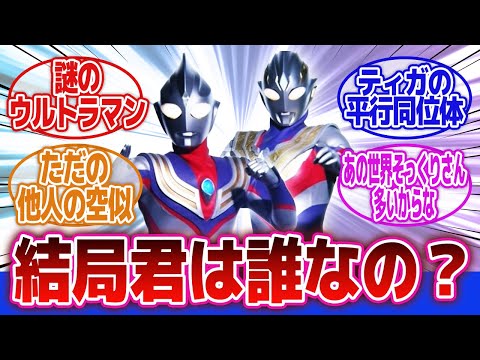
Since 2023, Ultraman Trigger has sparked widespread debate in fan communities due to its striking visual similarity to the classic Ultraman Tiga, despite official statements claiming no direct connection. After 15 years of analyzing the Ultraman franchise, this deep dive explores the contradictions between official claims and fan observations, examining theories about parallel worlds and the “power of wishes” that may explain Trigger’s origins.
What Happened
Ultraman Trigger debuted in 2023 as the latest entry in the New Generation Ultraman series. From its first appearance, the character’s design proved nearly identical to Ultraman Tiga, the beloved 2000 series that revitalized the franchise. However, official statements from the production team explicitly denied any sequel or reboot relationship between the two characters. This contradiction between visual evidence and official messaging created significant confusion within the fan community, spawning numerous theories and comparisons across social media platforms.
The mystery deepened when explanations for Trigger’s existence remained absent from the main broadcast series. Instead, clarification came only through supplementary materials and the theatrical film “The Live,” which introduced the concept that Trigger emerged from a world born from the desire to meet Tiga. This fragmented approach to world-building left fundamental questions unanswered throughout the series’ original run.
Why It Matters
This situation represents a significant departure from the Ultraman franchise’s traditional approach to character explanation and continuity. For decades, Ultraman productions maintained clear narrative frameworks: sequels were labeled as such, remakes were explicitly identified, and character origins were thoroughly explained within primary source material. The Trigger situation breaks this established pattern, raising questions about production decision-making and the franchise’s evolving relationship with fan expectations.
The confusion also reflects broader trends in the New Generation Ultraman era, where the introduction of multiverse concepts has made it easier to dismiss narrative gaps with “they’re from another world” explanations. This shift has gradually reduced the production team’s perceived obligation to provide comprehensive world-building details, potentially affecting how future Ultraman projects approach storytelling clarity.
Background
Ultraman Tiga originally aired in 2000 and became a cultural phenomenon, introducing the character Daigo, an ordinary human who transforms into the legendary Ultraman. The series explored themes of light versus darkness and personal struggle, establishing Tiga as one of the franchise’s most iconic entries. The character’s design—featuring distinctive color patterns and silhouette—became instantly recognizable to multiple generations of fans.
The New Generation Ultraman series began in 2013 with Ultraman Ginga, introducing a multiverse framework where multiple Ultraman universes coexist. This concept allowed for crossovers and guest appearances but also created narrative flexibility that sometimes obscured clear explanations for character appearances and relationships. Ultraman Trigger arrived within this established multiverse context, yet even by those standards, its connection to Tiga remained unusually ambiguous.
The theatrical film “The Live” later provided the explanation that Trigger’s world was born from humanity’s wish to meet Tiga, positioning it as a manifestation of collective desire rather than a direct sequel or alternate version. However, this crucial information was not presented in the main broadcast series, forcing viewers to seek supplementary materials for basic narrative comprehension.
Key Points
- Trigger’s visual similarity to Tiga reaches approximately 98% according to fan analysis, exceeding any previous “lookalike” Ultraman character in the franchise’s history
- Official production statements claimed Trigger was “neither a sequel nor a reboot,” directly contradicting its visual presentation and creating widespread fan confusion
- The theatrical film “The Live” introduced the explanation that Trigger’s world was created from the desire to meet Tiga, but this crucial context was absent from the broadcast series
- Fan communities adopted the comparison “like Coke and Coapple Garana”—visually similar but fundamentally different products—to describe the Tiga-Trigger relationship
- Trigger’s character name and origin remained unexplained throughout the broadcast series, breaking with franchise tradition of providing clear character backstories
- The production team’s fragmented messaging suggests internal disagreement about Trigger’s narrative positioning and relationship to established Ultraman lore
Timeline
- 2000: Ultraman Tiga airs and becomes a cultural phenomenon, establishing Daigo as the human host and introducing the light-versus-darkness thematic framework
- 2013: Ultraman Ginga launches the New Generation series, introducing multiverse concepts that allow for flexible character appearances across different worlds
- 2020: Ultraman Z concludes, maintaining clear explanations for all character appearances and relationships
- 2023: Ultraman Trigger debuts with striking visual similarity to Tiga but without clear narrative explanation in the broadcast series
- 2023 (Post-broadcast): “The Live” theatrical film provides the “wish-born world” explanation for Trigger’s existence, offering context absent from the main series
Perspectives
Official Production Stance: The production team maintained that Trigger represents an independent character with no direct connection to Tiga, despite acknowledging that the new series “inherits the worldview” of the original. Director Hiroyuki Sakamoto emphasized that Trigger is fundamentally its own entity, while screenwriter Takuma Hayashi described Tiga elements as merely “accents” to the core narrative about Nico and the light-versus-darkness conflict.
Fan Community Interpretation: The majority of fan discussions across Twitter, 5channel, and YouTube rejected the official “no connection” stance, instead treating Trigger as a parallel universe version of Tiga. The popular “Coke and Coapple Garana” comparison reflected fan consensus that visual similarity combined with official denial created an intentional mystery rather than a production oversight. Many fans theorized that Trigger represented either an alternate timeline Tiga or a manifestation of collective desire, with some proposing that multiple cosmic forces orchestrated Trigger’s creation.
Franchise Analysis Perspective: Long-term franchise observers noted that the Trigger situation represented a departure from established Ultraman production practices. Previous entries, including Ultraman Powered (a 1993 American reinterpretation of the original) and Ultraman Dyna (the direct sequel to Tiga), maintained clear explanatory frameworks. The absence of such clarity in Trigger’s case suggested either internal production disagreements or a deliberate strategy to maintain mystery for extended narrative engagement.
Insights
The Trigger situation reveals a fundamental tension within modern Ultraman production: the franchise has adopted multiverse frameworks that provide convenient explanations for character appearances while simultaneously reducing the perceived need for comprehensive narrative exposition. This shift reflects broader changes in how contemporary media addresses continuity and world-building, particularly in long-running franchises where accumulated lore creates both opportunities and constraints.
The fragmented explanation across broadcast series and theatrical supplementary materials suggests that production decisions about Trigger’s narrative positioning were not finalized before the series aired. The reliance on “The Live” to provide crucial context indicates either production timeline pressures or internal disagreement about how explicitly to acknowledge Trigger’s relationship to Tiga. This approach contrasts sharply with the Ultraman Tiga era, when thematic elements, character motivations, and narrative stakes received thorough explanation within primary broadcast material.
From a fan engagement perspective, the ambiguity surrounding Trigger has paradoxically strengthened community discussion. Rather than accepting official statements, fans engaged in extensive analysis and theory-crafting, generating sustained interest beyond what a straightforward “Trigger is an alternate Tiga” explanation might have produced. This suggests that modern franchise management increasingly relies on fan interpretation to complete narrative frameworks, whether by design or necessity.
The Trigger case also demonstrates how visual design carries narrative weight independent of explicit explanation. The 98% visual similarity to Tiga created an immediate recognition that no amount of official denial could override. This highlights the importance of design consistency in franchise communication and the challenges of introducing visually similar characters without clear contextual positioning.
Looking forward, the unresolved questions surrounding Trigger—its true name, its precise relationship to Tiga, and the nature of the forces that created it—remain open narrative threads. The possibility of future appearances by Daigo (Tiga’s human host) or additional theatrical releases could provide the comprehensive explanations that the broadcast series withheld. Until such clarification arrives, Trigger remains a fascinating case study in how modern franchises navigate the intersection of visual storytelling, official canon, and fan interpretation.