▶ Watch the original YouTube video
How the Knuckles Meme Reveals the True Nature of Gacha Game Communities
A viral video using the Knuckles meme to evaluate free-to-play characters in Battle Cats has sparked widespread discussion about pay-to-win mechanics and character balance in gacha games. The meme’s three-tier judgment system—”Approved,” “I don’t know,” and “Excellent argument”—perfectly encapsulates the systemic inequality between paid and free characters, revealing how gaming communities have evolved to critique game design through sophisticated meta-humor.
What Happened
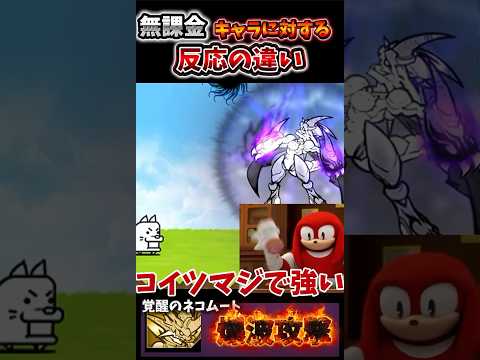
A video creator applied the Knuckles meme—derived from the Sonic the Hedgehog series—to evaluate characters in Battle Cats, a popular tower defense gacha game. The video systematically judges free-to-play characters using three responses: “Approved” for strong free characters, “I don’t know” for mediocre ones, and “Excellent argument” for overpowered paid-exclusive characters. The format creates a comedic yet pointed commentary on the stark performance gap between monetized and non-monetized characters.
Why It Matters
This meme represents a significant evolution in how gaming communities critique pay-to-win mechanics. Rather than direct complaints, the community has developed a sophisticated, meta-level humor that simultaneously acknowledges the game designer’s intent while satirizing the inherent unfairness of the system. The meme’s popularity signals that players are becoming increasingly aware of—and articulate about—the psychological manipulation embedded in gacha game design. This type of cultural commentary often precedes broader industry shifts in how games are monetized and balanced.
Background
Battle Cats is a free-to-play tower defense game known for significant performance disparities between paid and free characters. The Knuckles meme originated from a scene in the Sonic franchise where the character Knuckles responds “I don’t know” to a question. The meme gained widespread popularity around 2019 and has been applied to various contexts—from political discourse to film criticism—but this application to game balance represents a particularly sophisticated use of the format.
The broader context involves a 15-year evolution of gacha game culture. Early gacha games like Monster Strike and Puzzle & Dragons sparked direct emotional complaints about “gacha failures.” Over time, gaming communities have developed increasingly refined methods of expressing their critiques through meta-humor and structural analysis rather than simple emotional reactions.
Key Points
- Three-tier judgment system: Characters receive one of three verdicts—”Approved” (strong free characters), “I don’t know” (mediocre free characters), or “Excellent argument” (overpowered paid characters)—creating a clear visual pattern of inequality.
- Meta-level humor: The meme uses a character known for poor judgment to evaluate game balance, creating layered irony that critiques both the game design and the concept of character evaluation itself.
- Pattern recognition: The video’s power comes not from individual character assessments but from the consistent pattern that emerges: paid characters consistently receive higher evaluations.
- Social approval as metaphor: By framing character strength as “approval” or “argument quality,” the meme translates game balance issues into social psychology concepts, revealing how gacha games exploit players’ need for social validation.
- Community response: The meme has generated thousands of shares and comments expressing that it finally articulates the frustration many players felt but couldn’t previously express clearly.
- Broader implications: The meme’s success suggests gaming communities are developing more sophisticated critical frameworks for understanding game design and monetization strategies.
Timeline
- 2000s: Early gacha game criticism focused on direct quality judgments (“bad game”).
- 2010–2016: Gacha game communities developed emotional, experience-based humor (“gacha failure” memes) in response to pay-to-win mechanics.
- 2019: Knuckles meme gains widespread popularity across multiple internet communities.
- 2020s: Application of Knuckles meme to game balance analysis, representing a shift toward meta-structural critique of gacha mechanics.
Perspectives
Community perspective: Players view the meme as a breakthrough in articulating long-standing frustrations with pay-to-win design. Multiple comments indicate that the meme helped players understand and verbalize the psychological mechanisms underlying gacha game monetization. The meme transforms abstract complaints into a concrete, shareable format.
Design perspective: The meme’s three-tier system implicitly acknowledges that game designers intentionally create performance gaps between paid and free characters. By labeling overpowered paid characters as having an “Excellent argument,” the meme recognizes the designer’s deliberate choice while simultaneously satirizing it as game-breaking.
Critical perspective: Some observers argue that by calling paid characters “Excellent argument,” the meme may inadvertently legitimize pay-to-win design as a valid design choice rather than purely condemning it. However, the satirical framing suggests the opposite—that the meme is critiquing the notion that raw power constitutes a valid “argument” for game balance.
Industry perspective: The meme’s popularity may signal to developers that players are becoming more sophisticated in their critique of monetization. Historical precedent suggests that when communities develop refined satirical responses to industry practices, broader industry changes often follow within years.
Insights
The Knuckles meme represents a maturation of gaming culture from simple emotional expression to structured social critique. The meme’s effectiveness lies in its ability to operate on multiple levels simultaneously: it functions as entertainment, as a precise analytical tool, and as a commentary on the psychology of gacha game design.
At its core, the meme exposes how gacha games exploit players’ fundamental need for social approval and status recognition. By translating character strength into “approval” and “argument quality,” the meme reveals that gacha mechanics aren’t merely about gameplay balance—they’re about creating hierarchies of social validation based on spending power.
The consistent pattern that emerges from applying the meme to multiple characters—paid characters consistently receive higher evaluations—makes visible what players intuitively understand but rarely articulate: that the game’s design intentionally creates inequality as a monetization strategy.
Historically, when gaming communities develop this level of meta-critical sophistication, it often precedes broader industry shifts. The prevalence of refined satirical critique suggests that players are no longer passively accepting pay-to-win design but are actively developing cultural frameworks to understand and challenge it. This cultural evolution may eventually influence how game designers approach monetization and balance in future titles.
The meme also demonstrates how internet culture allows communities to collectively process and articulate systemic issues that individual players might struggle to express alone. What begins as a humorous video becomes a shared language for discussing game design ethics, enabling more sophisticated conversations between players and creators about the future of gacha game design.