▶ Watch the original YouTube video
After 15 years of analyzing Detective Conan, fans and critics have identified a unique dynamic between Amuro Toru and Enomoto Azusa that defies traditional romance tropes. Their relationship—described as “infinite” by the online community—remains deliberately ambiguous, raising questions about creator Gosho Aoyama’s artistic intentions and the evolving landscape of modern anime romance.
What Happened
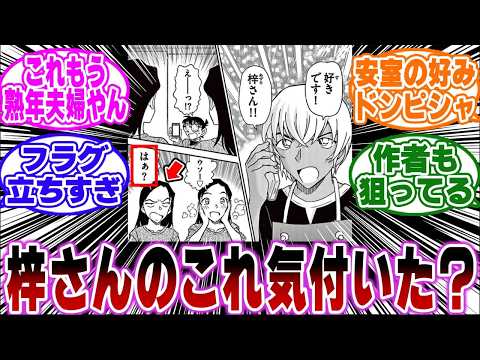
The relationship between Amuro Toru, a public safety police officer, and Azusa Enomoto, a waitress at Poirot Café, has become a focal point of fan discussion and analysis. A pivotal moment occurred when Amuro confessed his feelings to Azusa, claiming it was necessary to expose her disguise. However, the true nature of this confession—whether genuine or tactical—remains ambiguous. This ambiguity has sparked extensive debate across fan communities, with interpretations ranging from romantic interest to strategic manipulation.
Why It Matters
The Amuro-Azusa dynamic represents a significant departure from conventional anime romance storytelling. Rather than following the traditional progression of confession, dating, and resolution, creator Gosho Aoyama has maintained an intentionally vague relationship status across multiple media formats. This approach challenges established narrative conventions and reflects broader trends in contemporary anime, where complex, undefined relationships are gaining prominence. Understanding this dynamic provides insight into modern storytelling strategies and how creators navigate fan expectations.
Background
Detective Conan, a long-running manga and anime series, has evolved significantly since its debut. Amuro Toru emerged as a major character relatively recently in the series’ 15+ year timeline, initially appearing as a colleague at Poirot Café before his role expanded dramatically. The spinoff series “Zero’s Everyday Life” (Zetsu no Nichijou) provided deeper exploration of Amuro and Azusa’s interactions, revealing a level of intimacy and personal connection not fully developed in the main narrative. This discrepancy between the main series and spinoff content has fueled speculation about the true nature of their relationship.
The confession scene in question occurs within the context of Amuro’s dual life as a public safety officer conducting undercover operations. His access to advanced identification methods—facial recognition, voice analysis, behavioral pattern recognition—makes a verbal confession seemingly unnecessary for exposing a disguise, yet he employs this method regardless.
Key Points
- Ambiguous Confession: Amuro’s “I like you” statement lacks clarity regarding its authenticity, creating ongoing debate about whether it represents genuine romantic interest or tactical deception.
- Creator’s Strategic Ambiguity: Aoyama deliberately avoids definitive romantic depiction in the main series while emphasizing intimacy in spinoff content, suggesting intentional narrative strategy rather than indecision.
- Azusa’s Contradictory Responses: She simultaneously denies romantic interest while displaying concern about Amuro’s relationship status and romantic involvement, indicating complex underlying emotions.
- Spinoff-Canon Divergence: “Zero’s Everyday Life” depicts significant intimacy—including Amuro practicing magic specifically to impress Azusa—contrasting with the main series’ measured distance.
- Divided Fan Base: The community splits between those seeking official confirmation of romance and those preferring the current ambiguous dynamic.
- Psychological Complementarity: Amuro, constantly navigating danger and deception, finds in Azusa a grounding presence of authenticity and normalcy, creating mutual emotional dependency.
Timeline
- 2009: Analyst began comprehensive Detective Conan viewing, establishing foundation for long-term series analysis.
- Early Series Period: Amuro Toru introduced as minor character in Poirot Café setting.
- Character Development Phase: Amuro’s role expanded significantly, establishing regular interaction patterns with Azusa.
- Spinoff Release: “Zero’s Everyday Life” published, depicting heightened intimacy between characters.
- Confession Scene: Amuro’s ambiguous “I like you” statement delivered, initiating major fan discourse.
- Ongoing Present: Relationship status remains unresolved across 15+ years of analysis and speculation.
Perspectives
Romantic Development Advocates: Fans supporting this perspective note the consistent intimacy markers across multiple media formats, Aoyama’s demonstrated interest in romance elements, and the psychological complementarity between characters. They interpret the confession as genuine and anticipate eventual romantic confirmation following resolution of Amuro’s undercover operations.
Status Quo Preservationists: This group values the current ambiguous dynamic, arguing that explicit romantic confirmation would diminish the relationship’s unique appeal. They emphasize the rarity of non-romantic intimate relationships in anime and prefer maintaining this distinctive narrative space.
Creator Intent Analysts: This perspective focuses on Aoyama’s strategic choices, noting her consistent pattern of introducing romantic elements while avoiding definitive resolution. They interpret this as deliberate artistic strategy reflecting broader industry trends toward complex, undefined relationships rather than traditional romance arcs.
Psychological Interpretation: Some analysts emphasize the emotional functionality of the relationship for Amuro, viewing Azusa as essential psychological support for his dangerous double life. This perspective suggests the relationship’s value transcends romantic categorization.
Insights
The Amuro-Azusa relationship exemplifies a significant shift in contemporary anime storytelling. Rather than pursuing traditional romantic resolution, Aoyama maintains intentional ambiguity that preserves multiple narrative possibilities simultaneously. This approach reflects broader industry trends where audiences increasingly appreciate complex, undefined relationships over conventional romance progression.
The deliberate divergence between main series restraint and spinoff intimacy suggests calculated creative strategy. Aoyama acknowledges fan interest through spinoff content while protecting the main narrative from potential backlash, demonstrating sophisticated audience management without compromising artistic vision.
The relationship’s psychological foundation—mutual complementarity between Amuro’s dangerous, deceptive existence and Azusa’s authentic normalcy—provides narrative justification for their connection regardless of romantic classification. This depth explains why fans remain invested despite romantic ambiguity.
The fan community’s division reflects broader cultural conversations about relationship definitions and narrative expectations. The existence of substantial audiences preferring non-romantic intimacy challenges traditional storytelling assumptions and validates Aoyama’s experimental approach.
Ultimately, the “infinite” nature of their relationship—simultaneously capable of romantic development or permanent ambiguity—represents a distinctly modern narrative choice. Rather than resolving this tension, Aoyama appears committed to preserving it, suggesting that the relationship’s value lies precisely in its undefined potential rather than any definitive conclusion.