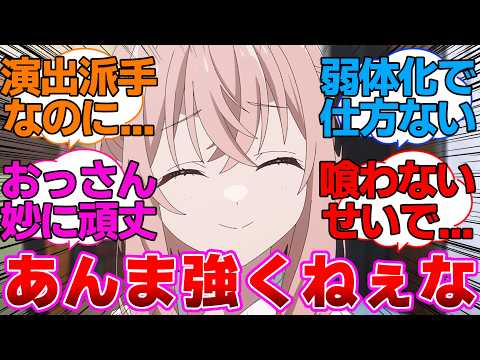
▶ Watch the original YouTube video
Why Fans Were Shocked by the Sister Character’s Reduced Power Level in Magical Girl Lyrical Nanoha EXCEEDS Gun Blaze Vengeance
The release of the new Magical Girl Lyrical Nanoha spinoff has sparked debate among longtime fans over the sister character’s surprisingly reduced combat abilities. After 15 years of following the franchise, viewers expected the character to maintain her established strength level from the main series, but the spinoff’s design choices have created a significant gap between fan expectations and the actual portrayal.
What Happened
The new spinoff series “Magical Girl Lyrical Nanoha EXCEEDS Gun Blaze Vengeance” has generated fan commentary expressing surprise at the sister character’s combat power being weaker than anticipated. Online discussions on Twitter and YouTube reveal a divided fanbase: some viewers accept the change as necessary for spinoff storytelling, while others view it as a contradiction to the character’s established strength in the main series.
Why It Matters
This situation highlights a broader industry challenge in spinoff production: how to balance the introduction of new protagonists with existing fan expectations regarding established characters. The discrepancy between the sister character’s portrayal in the original series and the spinoff raises questions about narrative consistency, character development continuity, and the implicit contract between creators and longtime fans. Understanding this tension is crucial for both content creators and audiences navigating expanded fictional universes.
Background
The Magical Girl Lyrical Nanoha franchise began airing in 2004 and has maintained a dedicated fanbase for nearly two decades. The sister character was initially introduced as a supporting family member but evolved into a significant magical girl warrior, particularly during the “A’s” arc (2005) and “StrikerS” arc (2007). By the time of the main series’ progression, fans had developed a strong perception of the sister character as a formidable combatant. The new spinoff introduces a different protagonist, which necessitated restructuring the narrative roles of established characters. This structural shift appears to have resulted in the sister character being repositioned with reduced combat prominence, creating the disconnect fans are now discussing.
Key Points
- The sister character’s combat abilities in the spinoff are perceived as significantly weaker than her established strength in the main series
- A substantial gap exists between fan expectations based on the original series and the character’s actual portrayal in the spinoff
- The spinoff’s protagonist change and character role restructuring appear to be the primary factors behind the strength adjustment
- Fan reactions are divided between those accepting spinoff independence and those viewing it as inconsistent characterization
- The broader anime and game industry faces similar challenges when handling established characters in spinoff productions
- The lack of explicit explanation from creators regarding the character’s revised power level has intensified fan confusion and disappointment
Industry Pattern: How Spinoffs Handle Established Characters
Analysis of comparable spinoff productions reveals a consistent pattern. In “Fate/Zero,” the original protagonist from “Fate/stay night” does not appear, allowing the spinoff complete narrative independence. “Attack on Titan” external story arcs limit the main series protagonists’ screen time and combat effectiveness. “Sword Art Online Alternative: Gun Gale Online” similarly restricts the original protagonist’s involvement. The Nanoha spinoff chose a different approach: including the sister character but reducing her combat prominence. This middle-ground strategy carries inherent risks, as it invites direct comparison with the character’s original portrayal while simultaneously disappointing fans who expected consistency.
Perspectives
Supportive View: Spinoff productions require narrative independence to establish new protagonists. Reducing the combat effectiveness of established characters prevents them from overshadowing new leads and allows fresh storytelling perspectives. This is a legitimate creative choice that enables the spinoff to function as its own entity rather than merely extending the main series.
Critical View: The sister character’s established strength in the main series represents genuine character development across multiple arcs. Reducing her power level in the spinoff undermines that narrative arc and creates inconsistency. If the character’s strength was to be significantly altered, either excluding her entirely or limiting her appearances would have been more narratively honest.
Analytical View: The core issue may stem from differing definitions of “character strength” between the main series and spinoff. In the original series, the sister character’s strength was defined by her role in the central narrative. In the spinoff, strength may be redefined as direct combat capability within a different narrative structure. This conceptual shift, if explained to audiences, might have mitigated the perceived inconsistency.
Fan Reactions Across Platforms
Twitter discussions show polarized opinions: some fans argue that spinoff independence justifies the character redesign, while others contend that established character development should remain consistent across the franchise. YouTube comments predominantly express surprise and disappointment at the reduced power level, with viewers citing their memories of the character’s earlier accomplishments. A minority of commenters appreciate the spinoff’s attempt to create a distinct narrative identity separate from the main series.
Insights
The Nanoha spinoff controversy reflects a fundamental tension in franchise expansion: the desire for creative independence in spinoff productions versus the expectation of narrative consistency from established fans. After nearly 20 years of franchise history, the sister character’s strength has become deeply embedded in viewer perception. When spinoff productions deviate from this established characterization without explicit justification, they risk alienating the very audience that sustained the franchise’s longevity.
The lack of transparent communication from creators regarding the character’s revised power level has amplified fan confusion. Had the production team explicitly explained that the spinoff operates under different narrative rules or character strength definitions, the reception might have been more measured. This suggests that future spinoff productions would benefit from clearer audience communication about how established characters will be recontextualized.
More broadly, the anime and gaming industries lack standardized guidelines for handling established characters in spinoff productions. Some franchises exclude original protagonists entirely, others significantly reduce their prominence, and still others maintain consistency. The Nanoha case demonstrates that the middle approach—including characters while substantially altering their established traits—requires particularly careful handling and explanation to maintain audience trust.
Looking forward, this spinoff represents a critical juncture for the Nanoha franchise. How the production team addresses fan concerns and how future spinoffs handle established characters will significantly influence the franchise’s trajectory and fan loyalty. The controversy underscores the importance of balancing creative innovation with respect for established narrative continuity.