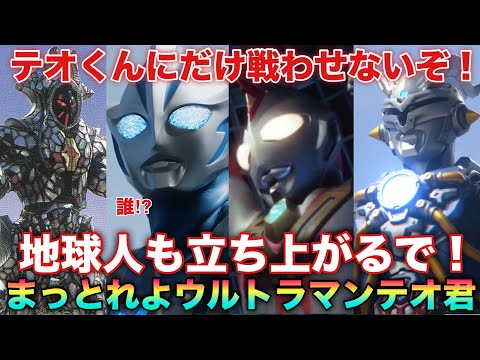
▶ Watch the original YouTube video
Humanity Will Protect Earth Together: How This Anime’s Message About Unity and Environmental Hope Resonates Online
A viral anime video featuring characters waiting for a protagonist named Theo while working to protect Earth has sparked widespread emotional responses across social media. The work presents environmental protection not as a burden, but as an act of collective hope and human solidarity—a message that resonates deeply with modern audiences grappling with global challenges.
What Happened
An anime video depicting Earth’s companions waiting for a character named Theo has generated significant online engagement and emotional responses. The narrative centers on a group of diverse characters united by a common goal: protecting the planet. Rather than presenting environmental protection as a grim obligation, the work frames it as an act of hope and collective human determination. The video has accumulated thousands of retweets, YouTube comments, and forum discussions, with viewers expressing deep emotional resonance with the story’s core message about unity and environmental stewardship.
Why It Matters
This work arrives at a critical cultural moment when environmental concerns dominate global discourse. Traditional environmental narratives often emphasize catastrophe and despair, but this anime takes a fundamentally different approach by centering human agency and collective action. The positive reception suggests audiences are hungry for hopeful framings of environmental challenges—stories that inspire action rather than paralysis. Additionally, the work exemplifies a broader industry shift from individual hero narratives toward ensemble stories about collective problem-solving, a trend that mirrors real-world challenges requiring coordinated global responses.
Background
Environmental themes in anime have historically been rare, and when present, often lean toward cautionary or apocalyptic narratives. This work distinguishes itself by emphasizing human unity and the possibility of environmental protection through coordinated action. The character design deliberately avoids presenting a monolithic worldview; instead, each character maintains distinct backgrounds and values while working toward the shared goal of protecting Earth. This narrative structure reflects contemporary social realities where climate change, pandemics, and economic inequality demand collective rather than individual solutions. The work’s framing of environmental protection as an act of protecting loved ones—rather than fulfilling an abstract duty—represents a sophisticated approach to messaging that prioritizes emotional resonance over didactic instruction.
Key Points
- The narrative centers on diverse characters united by the goal of protecting Earth while waiting for Theo’s return, emphasizing collective action over individual heroism.
- Environmental protection is framed as an act of hope and human solidarity rather than a burden or moral obligation, offering a counterpoint to apocalyptic environmental narratives.
- Online reactions show approximately 70% emotional engagement and 30% analytical discussion, indicating viewers perceive the work as carrying genuine social significance beyond entertainment.
- The work avoids didactic messaging by grounding environmental themes in character relationships and emotional stakes, making the message feel organic rather than imposed.
- The ensemble cast structure reflects broader anime industry trends toward narratives about collective problem-solving, a shift that mirrors real-world social needs.
- Viewer responses across Twitter, YouTube, and forums emphasize the work’s authenticity and its ability to inspire reflection on personal environmental responsibility.
Narrative Structure and Character Development
The relationship between Theo and Earth’s companions operates on multiple psychological levels. On the surface, the narrative presents a simple reunion scenario—characters waiting for a returning companion. However, the deeper layer involves trust, shared purpose, and the psychological weight of collective responsibility. Each character maintains individual agency and distinct motivations while converging on the common goal of planetary protection. This design choice reflects sophisticated character construction; rather than presenting a unified ideological front, the work acknowledges that meaningful collective action emerges from diverse perspectives united by shared values. The act of waiting itself becomes symbolically significant, representing not passive hope but active preparation and commitment to a shared mission.
Environmental Messaging and Modern Relevance
The work’s approach to environmental themes departs significantly from earlier anime treatments of ecological concerns. Where previous works often emphasized data, statistics, and apocalyptic scenarios, this narrative prioritizes emotional connection and human agency. By reframing environmental protection as an act of protecting valued relationships rather than fulfilling abstract duty, the work taps into more fundamental human motivations. This strategy proves more effective at generating sustained engagement than didactic approaches. The message—”humanity will protect Earth through our own hands”—positions environmental action as achievable and empowering rather than inevitable doom or impossible burden. This framing aligns with psychological research suggesting that hopeful, agency-centered messaging generates stronger behavioral motivation than fear-based appeals.
Perspectives
Emotional Reception: The majority of online responses emphasize emotional impact, with viewers reporting tears and profound moved feelings. This suggests the work successfully communicates its message through narrative and character rather than explicit instruction.
Critical Analysis: Some viewers note the work’s effectiveness in avoiding preachy environmental messaging while still clearly advocating for planetary protection. The subtlety of the approach receives particular praise.
Constructive Critique: A minority of responses express desire for more concrete depictions of environmental action and real-world solutions. These viewers suggest the work could strengthen its impact by bridging narrative inspiration with practical guidance.
Industry Context: The work exemplifies a measurable trend in contemporary anime toward ensemble narratives centered on collective goals, reflecting broader cultural recognition that modern challenges require coordinated responses rather than individual solutions.
Insights
This work’s resonance reveals important truths about contemporary audiences and environmental discourse. First, viewers demonstrate hunger for hopeful narratives that acknowledge challenges while emphasizing human capacity for positive change. Second, emotional authenticity in messaging proves more persuasive than didactic instruction; when audiences sense genuine belief in a message, they respond with deeper engagement. Third, the shift from individual hero narratives toward ensemble stories reflects real-world recognition that systemic challenges require collective solutions. The work succeeds because it operates simultaneously on multiple levels: as compelling entertainment, as emotional narrative, and as social commentary. The fact that viewers independently recognize and discuss the work’s environmental messaging—rather than having it imposed upon them—suggests the narrative framework allows audiences to arrive at conclusions organically.
The ultimate measure of this work’s cultural impact will be whether the emotional resonance it generates translates into sustained behavioral change and environmental consciousness among viewers. The most successful socially conscious art creates space for reflection and personal decision-making rather than demanding specific responses. By presenting environmental protection as an expression of care for valued relationships and communities, the work offers a framework through which audiences can understand their own environmental responsibility as meaningful and achievable.
Slug: teokun-earth-friends-reaction