▶ Watch the original YouTube video
How “Demons Reiwa” Became an Unexpected Hit: Analyzing the Fusion of Nostalgia and Modern Values in Gaming Culture
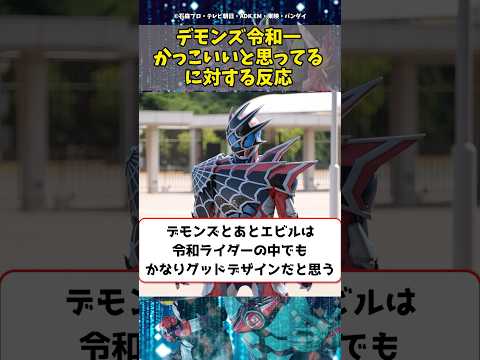
A reaction video featuring “Demons Reiwa”—a concept blending classic gaming characters with contemporary Reiwa-era values—has gone viral on social media. The phenomenon reveals how audiences respond to the unexpected coolness of characters that merge nostalgic gaming culture with modern sensibilities, reflecting a broader trend in anime and gaming industries.
What Happened
A reaction video showcasing “Demons Reiwa”—a character concept that reimagines a classic video game character with values and sensibilities from Japan’s Reiwa era (2019 onward)—has become a trending topic on social media platforms. The video captures viewers’ genuine surprise and appreciation for what they initially expected to be a simple parody, only to discover unexpected depth and coolness in the character’s portrayal. This phenomenon has sparked widespread discussion about how audiences perceive the fusion of retro gaming culture with contemporary values.
Why It Matters
The viral success of “Demons Reiwa” reflects a significant shift in otaku culture and entertainment consumption patterns. It demonstrates how audiences increasingly value the intersection of nostalgia and modernity, where beloved elements from the past are recontextualized through contemporary lenses. This trend has implications for content creators, game developers, and anime studios seeking to engage audiences by subverting expectations and creating emotional resonance through the juxtaposition of familiar and fresh perspectives. Understanding this phenomenon provides insight into what drives engagement and emotional investment in digital media during the Reiwa era.
Background
“Demons Reiwa” is based on Demon’s Souls, a 2009 action role-playing game developed by FromSoftware that preceded the hugely successful Dark Souls franchise. The concept reimagines the game’s characters as if they possessed the values and worldviews characteristic of Japan’s Reiwa era, which began in 2019. The Reiwa era is marked by distinct values including diversity and inclusion, sustainability consciousness, and digital-native thinking—a stark contrast to the sensibilities of previous eras.
The reaction video format itself has become a significant cultural phenomenon, allowing audiences to experience content through the lens of others’ genuine emotional responses. This format amplifies the impact of unexpected moments and creates a shared experience of discovery among viewers.
Key Points
- “Demons Reiwa” successfully merges nostalgic gaming culture with contemporary Reiwa-era values, creating unexpected emotional resonance
- Viewer reactions demonstrate genuine surprise at finding coolness and depth in what initially appeared to be a simple parody or joke concept
- The phenomenon exemplifies a broader “retro revival” trend in anime and gaming industries over the past five years
- The concept functions through sophisticated expectation management: audiences expect a joke but encounter genuine character depth and appeal
- The fusion of old and new values resonates particularly with audiences who simultaneously cherish 2000s-era media while embracing modern sensibilities
- This represents an evolution of meta-humor and ironic appreciation that has dominated online fan culture since the late 2010s
The Psychology Behind the Appeal
The success of “Demons Reiwa” operates through a specific psychological mechanism. Viewers initially approach the concept with low expectations, anticipating a simple parody. However, when the character demonstrates genuine coolness and depth rooted in Reiwa-era values—such as inclusivity and contemporary ethical frameworks—audiences experience a gap between expectation and reality. This gap generates powerful emotional responses, as viewers discover that what they assumed was merely a joke contains authentic appeal and substance.
This expectation-subversion strategy has precedent in successful anime and gaming properties. Works like “Attack on Titan: The Final Season” employed similar techniques by infusing classic fantasy narratives with contemporary ethical perspectives, generating unexpected emotional depth that resonated with audiences.
Broader Industry Trends
The “Demons Reiwa” phenomenon fits within a larger “retro meets modern” trend that has dominated anime and gaming industries since 2019. Major successes including “Demon Slayer” (blending classical Japanese folklore with contemporary animation techniques), “Jujutsu Kaisen” (combining traditional spiritual concepts with modern storytelling), and “Attack on Titan: The Final Season” (infusing fantasy worldbuilding with contemporary political philosophy) all employ similar strategies of merging nostalgic or traditional elements with modern sensibilities.
This trend represents more than simple nostalgia marketing. Rather, it reflects a deliberate creative choice to generate new meaning by placing familiar concepts in contemporary contexts, allowing audiences to experience both recognition and discovery simultaneously.
Audience Reception and Online Response
Social media reactions to “Demons Reiwa” have been predominantly positive, with viewers expressing genuine appreciation for the character’s unexpected coolness. Common comments include “I thought this was just a joke, but I’m genuinely moved” and “Demons Reiwa is actually really cool.” These responses indicate that audiences recognize and value the depth beneath the surface-level parody concept.
Interestingly, even critical responses—such as “I don’t understand what’s cool about this” or “It’s just a parody”—inadvertently validate the concept’s success. Critics are reacting to the fact that other audiences have found genuine appeal in something they expected to be merely comedic, demonstrating the effectiveness of the expectation-subversion strategy.
YouTube comments reveal deeper engagement, with viewers requesting spinoffs and additional content featuring the character, suggesting sustained interest beyond momentary viral trends.
Comparison with Similar Concepts
“Demons Reiwa” differs from previous successful personification trends like “Kantai Collection” (warship personification) and “Touken Ranbu” (sword personification). While those properties succeeded by offering new perspectives on historical subjects, “Demons Reiwa” takes the inverse approach: it modernizes a gaming character through contemporary values rather than historicizing a real-world object. This distinction reflects different target audiences and creative intentions, with “Demons Reiwa” specifically appealing to audiences who simultaneously value retro gaming culture and contemporary ethical frameworks.
Implications for Content Creators
For audiences seeking to fully appreciate “Demons Reiwa,” familiarity with the original Demon’s Souls game significantly enhances understanding. Those unfamiliar with the source material may grasp only approximately 50 percent of the concept’s appeal, while those with background knowledge can experience both nostalgic recognition and contemporary resonance simultaneously.
The concept also benefits from deliberately low initial expectations. Approaching it as “probably just a joke” paradoxically enhances the emotional impact when genuine coolness emerges, creating stronger engagement than high initial expectations would generate.
Insights
“Demons Reiwa” represents a significant evolution in how entertainment properties engage audiences through expectation management and the deliberate fusion of nostalgic and contemporary elements. The phenomenon reveals that Reiwa-era audiences possess a distinctive characteristic: simultaneous attachment to 2000s-era media and embrace of modern values including diversity, sustainability, and digital-native thinking.
The concept’s success suggests that future entertainment properties may increasingly employ similar strategies, potentially creating derivative works featuring “anime character modernization” or “manga character Reiwa-fication.” However, the risk exists that such approaches could become formulaic if overused, as occurred with the personification trend between 2015 and 2018.
What distinguishes “Demons Reiwa” from mere trend-chasing is the apparent sincerity of its creative execution. Rather than cynically exploiting nostalgia, the concept demonstrates genuine character creation grounded in meaningful contemporary values. This authenticity appears to be the primary driver of audience engagement and emotional investment.
Looking forward, “Demons Reiwa” exemplifies an emerging form of entertainment that generates meaning through the collision of past and present. As audiences increasingly value content that acknowledges and integrates both nostalgic appreciation and contemporary consciousness, this fusion of retro and modern sensibilities will likely become an increasingly central theme in anime, gaming, and digital media industries.