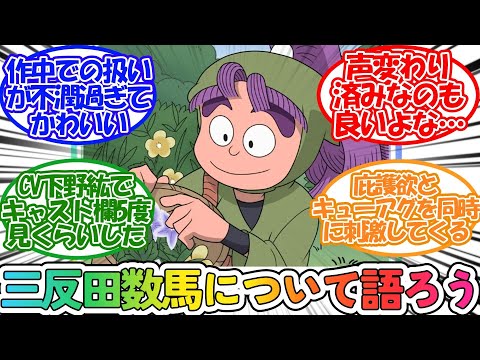
▶ Watch the original YouTube video
Why Fans Can’t Stop Talking About Sansouda Kazuma: A 15-Year Analysis of Anime’s Most Underrated Character
A grassroots movement on social media has sparked renewed interest in Sansouda Kazuma, a supporting character from the long-running anime series Ninja Boy Rantaro. Through comparative analysis with similar characters across major anime franchises, this deep dive explores why audiences are increasingly drawn to understated, reliable characters over flashy protagonists—and what that reveals about modern anime fandom.
- What Happened
- Why It Matters
- Background
- Key Points
- Comparative Analysis: Sansouda’s Position Among Supporting Characters
- The Psychology of Fan Engagement
- Industry Context: The 2020s Shift Toward Grounded Characters
- How to Appreciate Sansouda Kazuma: A Viewing Guide
- Online Reception and Fan Commentary
- Insights and Implications
What Happened
A wave of online discussion has emerged around Sansouda Kazuma, a supporting character from Ninja Boy Rantaro (Ninjutsu Academy Rantaro), with fans across Twitter, YouTube, and forums expressing enthusiasm for analyzing and celebrating his character design. The movement, framed as “I want to talk about Sansouda Kazuma,” reflects a broader shift in how anime audiences evaluate and appreciate secondary characters. Rather than focusing on flashy protagonists or action-heavy roles, viewers are increasingly recognizing the subtle complexity and narrative importance of understated, dependable characters like Sansouda.
Why It Matters
This phenomenon signals a significant shift in anime fandom culture and audience preferences. The renewed appreciation for Sansouda Kazuma demonstrates that modern viewers value character depth, consistency, and emotional authenticity over spectacle. This trend reflects broader changes in how audiences consume long-form serialized content and what they seek in character development. For creators and studios, the movement suggests that investing in well-crafted supporting characters can generate sustained fan engagement and critical appreciation—even decades after a series begins.
Background
Ninja Boy Rantaro is a long-running anime series that has been broadcast since 1993, spanning more than 30 years and multiple seasons. Throughout its extensive run, the series has maintained consistent character designs and narrative frameworks while adapting to evolving production standards and audience expectations. Sansouda Kazuma, a classmate of the protagonist Rantaro, occupies a supporting role within the ensemble cast. Unlike main characters who receive significant screen time and development arcs, Sansouda functions as a stabilizing presence within the classroom dynamic—a character whose importance becomes apparent only through sustained observation across multiple seasons.
The character’s voice acting has remained consistent across production changes, suggesting deliberate creative choices by the production team to preserve Sansouda’s essential characterization. His voice actor employs a restrained, sincere performance style that emphasizes reliability and trustworthiness rather than dramatic flair—a choice that aligns with the character’s narrative function.
Key Points
- Subtle Narrative Importance: Sansouda Kazuma maintains a low profile visually and vocally, yet serves a critical structural role in supporting the protagonist and stabilizing the ensemble cast dynamic.
- Character Evolution Over Time: Across multiple seasons, Sansouda transitions from a background classmate to a figure of quiet maturity, particularly in how he mentors and relates to younger characters—a transformation that becomes visible only through long-form viewing.
- Deliberate Design Philosophy: The character represents a sophisticated approach to supporting character design: creating a figure who is unremarkable on the surface but indispensable to narrative coherence.
- Audience Psychology: Fans express a desire to “discuss” rather than simply “support” Sansouda, indicating engagement with character analysis rather than superficial fandom—a shift toward intellectual appreciation.
- Industry Trend Alignment: The Sansouda phenomenon reflects a broader 2020s trend favoring grounded, dependable characters over flashy archetypes across major anime franchises including Jujutsu Kaisen, Chainsaw Man, and Attack on Titan.
- Long-Form Storytelling Advantage: The 30+ year runtime of Ninja Boy Rantaro allows character growth and role shifts that would be impossible in shorter series, making Sansouda’s evolution particularly visible to attentive viewers.
Comparative Analysis: Sansouda’s Position Among Supporting Characters
To understand Sansouda Kazuma’s appeal, it is useful to examine similar supporting characters across other major anime franchises:
| Series | Character | Role | Similarities to Sansouda | Key Differences |
|---|---|---|---|---|
| Attack on Titan | Connie Springer | Protagonist’s friend | Understated presence; narrative importance despite low visibility | More emotionally volatile; receives dramatic character arcs |
| Haikyu!! | Ryunosuke Tanaka | Team pillar | Grounded, dependable presence; emotional anchor | More active role in central conflicts; receives spotlight moments |
| My Hero Academia | Shoto Todoroki | Peer to protagonist | Quiet strength; reserved demeanor | Elevated to near-protagonist status; receives major character focus |
This comparison reveals that Sansouda occupies a unique position: he is simultaneously the most understated and the most consistently reliable presence in his narrative ecosystem. Unlike Connie Springer, who experiences dramatic emotional arcs, or Tanaka, who receives active spotlight moments, Sansouda’s importance emerges through cumulative observation rather than dramatic revelation.
The Psychology of Fan Engagement
The online movement to discuss Sansouda Kazuma reflects three specific psychological conditions that drive fans to engage in character analysis:
- Complexity: The character presents multiple facets that are not immediately apparent, rewarding sustained attention and interpretation.
- Growth: Across the series’ runtime, Sansouda demonstrates measurable change and maturation, particularly in his relationships with younger characters.
- Resonance: His characterization—quiet competence, emotional restraint, reliability—aligns with values that adult viewers increasingly recognize in their own lives.
Social media responses indicate that viewers who initially overlooked Sansouda as a background character have experienced a reappraisal upon revisiting the series or comparing multiple seasons. Comments such as “I didn’t appreciate him until I grew up” and “This character is what holds the class together” suggest that audience maturation directly correlates with appreciation for Sansouda’s understated qualities.
Industry Context: The 2020s Shift Toward Grounded Characters
The Sansouda Kazuma phenomenon does not exist in isolation. Across anime released since 2020, there is a measurable trend toward elevated appreciation for characters who embody groundedness, reliability, and emotional authenticity over spectacle. Major franchises including Jujutsu Kaisen, Chainsaw Man, and the final season of Attack on Titan have all featured supporting characters receiving critical acclaim for their understated presence and narrative function.
This shift reflects broader societal changes in how audiences evaluate reliability and competence. In an era of increasing social fragmentation and uncertainty, characters who provide stable emotional anchors—rather than dramatic heroics—resonate more deeply with viewers. Sansouda Kazuma, as a character who has embodied these qualities for over 30 years, becomes a retrospective exemplar of this emerging preference.
How to Appreciate Sansouda Kazuma: A Viewing Guide
For viewers seeking to deepen their appreciation of Sansouda Kazuma, several specific viewing strategies enhance understanding:
Observe Class Dynamics: Pay attention to how Sansouda positions himself relative to main characters like Rantaro, Kirimaru, and Shinbei. His role becomes clearer when viewed as part of an ensemble structure rather than in isolation.
Notice Silence: Sansouda speaks infrequently. His character is often conveyed through facial expressions, body language, and reaction shots. Attending to these non-verbal elements reveals substantial characterization.
Compare Across Seasons: The contrast between early seasons and recent episodes makes Sansouda’s evolution most apparent. Comparing Season 1 with Season 20 demonstrates measurable shifts in maturity and interpersonal approach.
Examine Mentorship Moments: Sansouda’s interactions with younger characters provide the clearest window into his character development. These scenes reveal how his role has shifted from peer to mentor.
Online Reception and Fan Commentary
Across major social platforms, fan responses to Sansouda Kazuma reveal consistent themes:
Twitter: Users frequently express variations of “I appreciate Sansouda’s quiet reliability” and “I didn’t understand his appeal until I was older.” These comments suggest that appreciation correlates with viewer maturation and life experience.
YouTube: Comment sections feature analytical observations such as “Sansouda is the true protagonist” and “The class wouldn’t function without him.” These responses indicate engagement with character function and narrative structure rather than superficial fandom.
Forum Discussions: Dedicated threads analyzing Sansouda’s episodes and relationships show sustained, substantive engagement. Particular attention focuses on his mentorship of younger characters and the evolution of his interpersonal approach.
The consistency of these responses across platforms suggests that the Sansouda appreciation movement reflects genuine shifts in audience preference rather than isolated fandom activity.
Insights and Implications
The Sansouda Kazuma phenomenon illuminates several important truths about contemporary anime fandom and character design:
Supporting Characters as Narrative Anchors: The most challenging aspect of character design is rendering understated, dependable figures compelling without relying on spectacle. Sansouda demonstrates that this challenge, when executed successfully, creates characters of lasting resonance.
Long-Form Storytelling as Advantage: The 30+ year runtime of Ninja Boy Rantaro allows character evolution that shorter series cannot achieve. Sansouda’s transformation from background classmate to quiet mentor becomes visible only through sustained narrative engagement—a benefit unique to long-running franchises.
Audience Maturation and Appreciation: The pattern of viewers discovering Sansouda’s appeal as they age suggests that character appreciation deepens with life experience. Qualities that seem unremarkable to younger audiences—reliability, emotional restraint, quiet competence—become increasingly valuable as viewers mature.
Production Intentionality: The consistency of Sansouda’s characterization across decades of production changes indicates deliberate creative choices by the production team. This suggests that the character was designed with long-term narrative function in mind, rather than as an incidental background figure.
Future Trajectory: The online appreciation movement may signal to production teams that supporting characters merit increased development and screen time. If studios recognize the commercial and critical value of well-crafted secondary characters, future seasons may elevate Sansouda’s role accordingly.
Ultimately, the Sansouda Kazuma movement represents more than fandom enthusiasm. It reflects a maturing audience increasingly capable of recognizing and valuing the subtle craft of character design—and a growing preference for characters who embody reliability and authenticity over spectacle and drama.