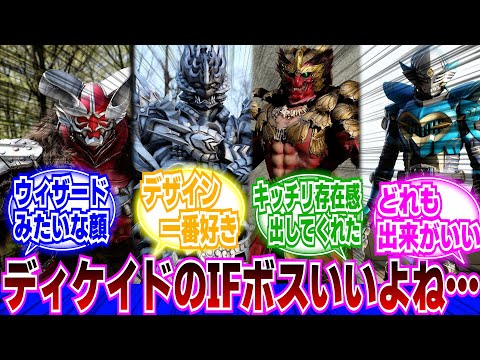
▶ Watch the original YouTube video
Kamen Rider Decade’s Reimagined Bosses: How Fan Reactions Reveal the Series’ Evolution
Kamen Rider Decade, which aired in 2009, fundamentally reimagined the villains from nine previous Heisei-era Rider series through a concept called “Re-Imagination.” The radical reinterpretation of classic antagonists sparked intense debate across fan communities, revealing deep divisions between those who embraced the creative reinterpretation and those who felt the original characters were being disrespected.
What Happened
Kamen Rider Decade introduced a groundbreaking narrative approach by revisiting the worlds of previous Heisei Rider series (Kuuga through Kiba) and reimagining their boss characters within a new framework. Rather than simply bringing back familiar villains, the series fundamentally recontextualized these antagonists, creating what fans termed “Re-Imagination Riders.” This approach extended beyond mere cameos—the original character designs, motivations, and narrative roles were substantially altered to fit Decade’s overarching story about a Rider who travels between parallel worlds.
Why It Matters
Decade’s approach represents a pivotal moment in tokusatsu franchise storytelling. The series grappled with a fundamental question: how should a long-running franchise acknowledge and reinterpret its own history? By choosing to actively reimagine rather than simply reference past works, Decade challenged the assumption that established canon should remain inviolate. This decision had lasting consequences for how subsequent Rider series approached legacy content, influencing later concepts like the “Another Riders” in Kamen Rider Zi-O. The fan response to these reimagined villains illuminates broader tensions between creative innovation and fan expectations in serialized media.
Background
By 2009, the Heisei Rider series had established itself as a distinct era in tokusatsu history, spanning nine successful series from Kuuga (2000) to Kiba (2008). Each series had developed its own thematic focus and narrative universe. Kuuga emphasized contemporary heroism, Agito explored human potential, Ryuki centered on desire and conflict, and Kiba incorporated family drama. When Decade premiered as the tenth Heisei series, it faced the challenge of commemorating this legacy while establishing its own identity. The series’ central premise—a Rider capable of traversing multiple worlds—provided the narrative justification for recontextualizing previous series’ antagonists.
Key Points
- Re-Imagination Concept: Boss characters from Kuuga through Kiba were reinterpreted within Decade’s framework, maintaining core thematic elements while fundamentally altering their narrative roles and characteristics.
- Divided Fan Response: Online reactions split into three primary groups: those celebrating the creative reinterpretation, those criticizing the alteration of beloved characters, and analytical viewers examining the production’s intent.
- Generational Differences: Fans who experienced original series in real-time tended toward criticism, while viewers encountering the franchise through Decade showed greater acceptance of the reimagined villains.
- Thematic Extraction: The production team appeared to extract core thematic elements from each series—Kuuga’s ultimate combat, Agito’s human potential, Ryuki’s desire and conflict—and recontextualized them within Decade’s narrative.
- Precedent for Future Works: Decade’s Re-Imagination concept directly influenced later series, particularly the “Another Riders” concept that became central to Kamen Rider Zi-O’s narrative structure.
- Intent vs. Reception Gap: Production’s apparent goal of celebrating series diversity through reinterpretation conflicted with viewer expectations for respectful legacy treatment, creating interpretive friction.
Timeline
- 2000–2008: Nine Heisei Rider series establish distinct thematic identities and narrative universes.
- 2009: Kamen Rider Decade premieres, introducing Re-Imagination concept for previous series’ antagonists.
- 2009–2010: Online fan communities engage in intensive debate regarding character reimagining across multiple platforms (Twitter, 2channel, YouTube).
- 2010–2011: Subsequent Rider series (Ooo, Fourze) incorporate lessons from Decade’s approach to legacy content.
- 2018–2019: Kamen Rider Zi-O formally develops the “Another Riders” concept, directly building upon Decade’s Re-Imagination framework.
Perspectives
Enthusiast Perspective: Fans who embraced Decade’s approach viewed the reimagined bosses as exciting opportunities to revisit beloved series through fresh creative lenses. This group, typically composed of viewers familiar with multiple Rider series, celebrated the conceptual ambition and appreciated how the reinterpretations extracted thematic cores from original works while generating new narrative possibilities.
Purist Perspective: Critics argued that fundamental character alterations constituted disrespect toward original series and their dedicated fanbases. This group, often deeply invested in specific earlier series, contended that established characterizations should be preserved and that nostalgia-driven storytelling should prioritize fidelity to source material.
Analytical Perspective: A third group approached the reimaginations as deliberate creative choices worthy of examination. Rather than accepting or rejecting the changes outright, these viewers investigated production intent, narrative coherence, and thematic consistency. This perspective recognized both the conceptual merit and the potential problems inherent in the approach.
Generational Perspective: Online analysis revealed significant differences based on viewing chronology. Viewers who experienced original series during their broadcast runs tended toward skepticism, while those discovering the franchise through Decade or later series demonstrated greater openness to reimagined characterizations.
Insights
Kamen Rider Decade’s Re-Imagination concept represents a watershed moment in how established franchises negotiate their own histories. The series’ approach—actively recontextualizing rather than passively referencing—forced both creators and audiences to confront fundamental questions about creative ownership, fan expectations, and the nature of legacy storytelling.
The divided fan response reveals that franchise longevity creates competing interpretive communities with fundamentally different expectations. Those invested in original series view established canon as sacred; those approaching through later entries see canon as malleable creative material. Neither perspective is inherently invalid, yet they generate productive tension that shapes subsequent creative decisions.
Decade’s influence on later works—particularly the formalization of the “Another Riders” concept in Zi-O—demonstrates that the series’ experimental approach, despite mixed reception, provided valuable creative frameworks for future productions. The willingness to reimagine established characters, once controversial, became normalized within the franchise’s creative vocabulary.
The series ultimately functions as a case study in the challenges of anniversary storytelling within long-running franchises. The production team’s apparent intent—celebrating series diversity through thematic reinterpretation—was sophisticated and ambitious. However, the execution revealed the difficulty of simultaneously honoring fan attachment to specific characterizations while pursuing bold creative reinterpretation. This tension between reverence and innovation remains central to how tokusatsu franchises approach legacy content.