▶ Watch the original YouTube video
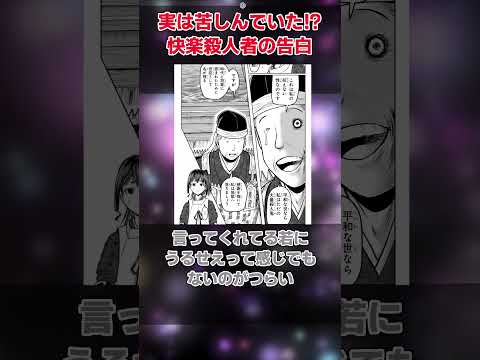
Why Yuuki Munehiro Became a Fan Favorite: The Paradox of a Loyal Samurai Who Refuses to Kill
Yuuki Munehiro, a supporting character from the manga “The Elusive Samurai,” has captured readers’ hearts by embodying a fundamental contradiction: he is a loyal retainer who refuses to kill. This paradox, set against the brutal backdrop of the Sengoku period, has sparked widespread online discussion and reveals why audiences connect with flawed, conflicted characters more than perfect ones.
What Happened
Yuuki Munehiro, a character from manga artist Matsui Yuusei’s “The Elusive Samurai,” has generated significant online discussion due to his unique moral stance. Despite serving as a loyal retainer during Japan’s Sengoku period—an era defined by constant warfare and violence—Munehiro maintains the conviction that “as long as there is no killing, I can be a good retainer.” This statement encapsulates a fundamental contradiction that has resonated deeply with manga readers across Twitter, 5channel, and YouTube.
Why It Matters
Munehiro’s character represents a shift in how modern manga portrays internal conflict and moral struggle. Rather than resolving contradictions through character development or narrative progression, Munehiro embodies an unresolved paradox that mirrors real-world experiences. Readers recognize in his struggle their own conflicts between social obligations and personal conscience—a universal tension that transcends the historical setting. This approach challenges conventional character archetypes in historical manga and demonstrates how accepting contradiction can create deeper, more relatable storytelling.
Background
“The Elusive Samurai” is a historical adventure manga serialized in Weekly Shonen Jump, created by Matsui Yuusei, the author of “Assassination Classroom.” The series follows a protagonist who survives the Honnō-ji Incident and navigates the Sengoku period through evasion rather than confrontation. Yuuki Munehiro serves as a supporting character whose moral framework contrasts sharply with the era’s brutal realities. Matsui Yuusei’s previous work on “Assassination Classroom” established his skill in portraying complex characters grappling with ethical dilemmas, a technique refined in Munehiro’s characterization.
Key Points
- Yuuki Munehiro maintains the belief that “as long as there is no killing, I can be a good retainer,” a conviction fundamentally at odds with the demands of the Sengoku period
- Unlike characters in other manga such as “Demon Slayer,” whose internal conflicts are gradually resolved, Munehiro’s contradiction remains perpetually unresolved
- Online communities describe Munehiro as a “good character” and “deep,” suggesting readers value unresolved moral conflict over character resolution
- His character embodies the tension between loyalty and conscience, reflecting modern readers’ experiences of conflicting social roles and personal values
- Munehiro represents a new archetype in Sengoku manga: the retainer who suffers from his own loyalty rather than embracing it
- The character’s internal struggle has sparked historical discussions about whether such figures may have existed during Japan’s actual Sengoku period
Character Analysis: The Paradox Explained
The Weight of “If Only There Were No Killing”
Munehiro’s conviction carries profound weight precisely because it is impossible to fulfill. In the Sengoku period, stating “if only there were no killing” is equivalent to saying “if only there were no war” in modern times—a pure ideal rendered completely unrealizable by circumstance. This creates a character who must perpetually live with the gap between his conscience and his actions.
When compared to Tanjiro Kamado from “Demon Slayer,” who also struggles with the contradiction between his mission and his compassion, a crucial difference emerges. Tanjiro’s conflict gradually resolves as the narrative progresses. Munehiro’s contradiction, by contrast, is structurally permanent within the story’s historical setting. He is not a protagonist seeking resolution but a supporting character condemned to live with irresolution—and this very quality has made him memorable to readers.
Redefining the Loyal Retainer
Historical manga has long portrayed loyal retainers as characters who accept their role’s demands without question. Munehiro fundamentally challenges this archetype. He remains loyal to his lord while simultaneously experiencing genuine anguish over the violence his loyalty requires. This is not a simple case of “a good person forced to do bad things” but rather a deeper exploration of how loyalty itself can contradict human conscience.
Eren Yeager from “Attack on Titan” presents a similar dynamic: he commits atrocities in pursuit of freedom. However, Eren’s conflict gradually numbs as the story progresses, whereas Munehiro appears to maintain his moral sensitivity throughout. This distinction suggests that Munehiro represents a more psychologically realistic portrayal of sustained moral conflict.
Authorial Intent and Narrative Technique
Matsui Yuusei’s experience creating complex characters in “Assassination Classroom”—where students constantly grapple with the ethics of learning to kill—has clearly informed Munehiro’s design. Rather than presenting simple moral binaries, Matsui specializes in depicting the psychology of good people placed in morally compromising situations. Munehiro represents a refinement of this technique: a character whose internal conflict is not meant to be overcome but rather endured.
Comparative Analysis: Munehiro Among Conflicted Characters
| Manga Title | Character | Core Conflict | Resolution Status | Reader Reception |
|---|---|---|---|---|
| Demon Slayer | Tanjiro Kamado | Killing demons vs. compassion for demons | Gradually resolved through narrative | Protagonist growth and acceptance |
| Attack on Titan | Eren Yeager | Freedom vs. mass killing | Conflict becomes numbed over time | Complex and divided opinions |
| The Elusive Samurai | Yuuki Munehiro | Loyalty vs. refusal to kill | Remains perpetually unresolved | Deep empathy and high praise |
| Assassination Classroom | Students | Students vs. assassins | Resolved through education and growth | Positive reception |
This comparison reveals that unresolved conflict does not diminish character quality; rather, it can enhance perceived depth and realism. Munehiro’s inability to resolve his contradiction mirrors the actual human experience more faithfully than narratives that neatly resolve moral dilemmas.
Online Reception and Community Response
Twitter Reactions
On Twitter, Munehiro has generated responses such as “Can such a retainer even exist?” and “He’s contradictory, but I love him.” These comments indicate that readers consciously recognize his paradox while simultaneously finding it deeply human and appealing. The contradiction itself has become the source of his appeal rather than a weakness.
5channel Discussion
On the 5channel forum dedicated to “The Elusive Samurai,” users have posted comments like “Munehiro is the best character” and “This contradiction represents a new form of Sengoku manga.” Notably, discussions have evolved to include historical speculation: readers have begun debating whether such conflicted figures may have actually existed during Japan’s Sengoku period, elevating the character analysis to historical inquiry.
YouTube Commentary
YouTube comments emphasize Munehiro’s psychological depth, with viewers praising his internal monologues and facial expressions during moments of violence. Some comments note that “this contradiction is the finest character design,” while critical voices argue “a true retainer should accept killing as necessary.” This diversity of opinion demonstrates that Munehiro successfully generates substantive debate rather than passive acceptance.
The Psychology of Audience Connection
Readers connect more deeply with characters who embody unresolved contradiction than with those who achieve perfection or complete resolution. This principle reflects a fundamental truth about human experience: most people live with contradictions between their social roles and personal values. Munehiro’s statement—”if only there were no killing”—resonates because it mirrors the modern experience of working within systems whose demands conflict with individual conscience.
Whether in corporate environments, educational institutions, or other social structures, contemporary readers recognize themselves in Munehiro’s struggle. His inability to resolve the contradiction between loyalty and morality reflects the reality that many contradictions cannot be solved but only endured. This authenticity creates emotional resonance that transcends the historical setting.
Insights and Broader Implications
Yuuki Munehiro’s popularity signals a shift in manga storytelling toward greater psychological realism and moral complexity. Rather than presenting characters who overcome their contradictions through growth or narrative resolution, modern audiences increasingly value characters who maintain their internal conflicts while continuing to act and live.
This trend reflects broader cultural changes in how contemporary readers understand morality and identity. The traditional narrative arc—conflict, struggle, resolution—no longer satisfies audiences seeking authentic representations of human experience. Munehiro embodies an alternative archetype: the person who lives with contradiction, who maintains moral sensitivity despite impossible circumstances, and who refuses to numb himself to the ethical weight of his actions.
The future trajectory of Munehiro’s character remains uncertain and compelling. If he eventually accepts killing as necessary, his character will fundamentally transform. If he maintains his conviction to the narrative’s end, he will represent a new model of the loyal retainer—one defined not by acceptance of duty but by perpetual resistance to its moral cost. Either path promises to deepen the thematic richness of “The Elusive Samurai” and potentially influence how future manga portray moral conflict.