▶ Watch the original YouTube video
How “Getting Happy with Shin RTA” Became the Internet’s Most Touching Gundam SEED FREEDOM Meme
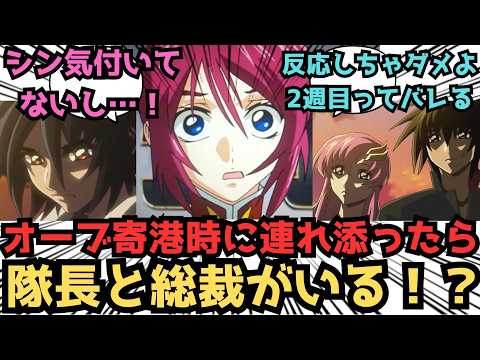
Following the release of Gundam SEED FREEDOM, fans have embraced a poignant internet meme called “Getting Happy with Shin RTA”—a speedrun-inspired concept exploring what it would take for protagonist Shin Asuka to finally achieve happiness. The meme reflects 19 years of fan frustration and hope for a character whose poor choices have haunted him since the original SEED DESTINY series.
What Happened
After Gundam SEED FREEDOM’s theatrical release, a new meme emerged across Twitter and anime communities: “Shin to Shiawase ni Naru RTA” (Getting Happy with Shin RTA). RTA, borrowed from gaming culture, stands for “Real Time Attack”—a speedrunning term meaning to complete an objective as quickly as possible. Applied to Shin Asuka, the meme humorously yet earnestly asks: what is the fastest route to making this character happy?
The meme gained traction because the film depicts Shin in a state of emotional limbo—showing growth and attempted reconciliation with rival Kira Yamato, yet clearly not in a state of genuine happiness. This ambiguous portrayal prompted fans to imagine alternative paths and better choices that could have led to a more fulfilling life for the character.
Why It Matters
The “Shin RTA” meme represents something deeper than casual internet humor. It encapsulates nearly two decades of fan investment in a character whose journey has been defined by emotional turmoil, poor decision-making, and unresolved trauma. The meme’s emergence signals a shift in how anime fans engage with narratives—moving from passive consumption to active creative reimagining of character arcs.
Moreover, the meme reflects broader trends in contemporary anime culture: the growing intersection of gaming terminology with anime fandom, the industry’s increasing focus on “what-if” narratives, and audiences’ desire for character redemption stories. SEED FREEDOM’s deliberate portrayal of Shin’s incomplete healing created space for this fan-driven narrative exploration.
Background
Shin Asuka is the protagonist of Mobile Suit Gundam SEED DESTINY (2004–2005), a series that divided the fanbase over his character arc. As a young Coordinator pilot, Shin made a series of emotionally-driven decisions that led to conflict with protagonist Kira Yamato and contributed to widespread destruction. Many viewers found his actions frustrating—driven by grief and rage rather than strategic thinking, he repeatedly made choices that worsened his circumstances.
For nearly 19 years, fans carried mixed feelings about Shin. Some sympathized with his trauma; others resented his impulsiveness. The 2024 film SEED FREEDOM revisits Shin as an adult, showing him attempting to move forward and reconcile with his past. However, the film deliberately leaves his emotional state ambiguous—he appears to be healing, but not truly happy. This narrative choice reignited fan discussion about what could have been different.
Key Points
- The “Shin RTA” meme uses speedrunning terminology to explore optimal paths to Shin Asuka’s happiness, reflecting gaming culture’s influence on anime fandom
- SEED FREEDOM’s portrayal of Shin as emotionally incomplete—growing but not happy—prompted fans to imagine alternative scenarios and better choices
- The meme encompasses multiple interpretations: early reconciliation with Kira, psychological healing, relationship repair, and acceptance of past mistakes
- Fan responses reveal diverse definitions of “Shin’s happiness,” from character redemption to emotional growth to interpersonal reconciliation
- The phenomenon reflects broader anime industry trends toward “what-if” narratives and parallel storylines seen in works like Re:Zero, Fate, and Higurashi
- The meme demonstrates how audiences now actively co-create narratives rather than passively consuming them, turning incomplete character arcs into collaborative storytelling
Timeline
- 2004–2005: Mobile Suit Gundam SEED DESTINY airs; Shin Asuka’s controversial character arc divides the fanbase
- 2004 onward: Fans develop complex, mixed feelings about Shin’s choices and their consequences
- 2024: Gundam SEED FREEDOM releases in theaters, depicting adult Shin in a state of emotional recovery but not happiness
- Post-release 2024: “Shin RTA” meme emerges on Twitter and anime communities, gaining rapid traction
Perspectives
The Redemption Interpretation: Some fans view “Shin RTA” as a genuine desire for character redemption. They argue that Shin’s suffering has been sufficient punishment for his past mistakes, and that a future story showing his path to genuine happiness would provide meaningful closure to his 19-year arc.
The Narrative Critique: Other fans use the meme to critique SEED DESTINY’s writing, suggesting that Shin’s problems stemmed from poor storytelling decisions rather than inevitable character flaws. The RTA concept allows them to explore how different narrative choices could have produced a healthier character trajectory.
The Psychological Growth Lens: A third perspective emphasizes that Shin’s “happiness” may not require external changes, but rather internal acceptance of his past. Some fans interpret the meme as exploring what psychological work Shin needs to do to find peace with his choices.
The Creative Fan Expression: Many fans simply enjoy the meme as a vehicle for creative speculation. Rather than debating “correct” interpretations, they use RTA terminology to playfully imagine various scenarios where Shin could have found happiness—treating it as collaborative fan fiction rather than serious critique.
Insights
The “Shin RTA” meme reveals that anime narratives no longer end when credits roll. Instead, they continue living in fan communities, evolving through collective imagination and reinterpretation. SEED FREEDOM succeeded in creating a character moment ambiguous enough to invite this kind of engagement—Shin is neither fully redeemed nor completely broken, leaving narrative space for fan speculation.
The meme also demonstrates how gaming culture has become deeply integrated into anime fandom. Speedrunning terminology, typically associated with video game optimization, now serves as a framework for discussing character arcs and narrative possibilities. This linguistic crossover reflects the blurred boundaries between gaming and anime communities, particularly among younger audiences.
Furthermore, the meme’s popularity suggests that modern audiences crave redemption narratives. After nearly two decades of watching Shin suffer consequences for his choices, fans don’t want to see him punished further—they want to see him heal. This collective desire for character salvation speaks to broader cultural shifts toward empathy-driven storytelling and the recognition that trauma-driven mistakes deserve compassion alongside accountability.
Finally, the meme illustrates how incomplete narratives can be more generative than conclusive ones. By leaving Shin’s emotional journey unfinished, SEED FREEDOM invited fans to complete the story themselves, transforming passive viewers into active co-creators of meaning. The “Shin RTA” phenomenon is, ultimately, a testament to the enduring power of character-driven storytelling and the human desire to imagine better outcomes for those we care about.