▶ Watch the original YouTube video
How Uma Musume Players React to ‘Sharp-Nailed Corn Beelzebub Gorshi’: A Deep Dive into Fan Culture and Character Appreciation
A quirky meme title referencing the character Beelzebub Gorshi has sparked widespread discussion within the Uma Musume Pretty Derby community. The phenomenon reveals how game communities create layered content based on deep system knowledge, and demonstrates the diversity of character evaluation beyond simple performance metrics.
What Happened
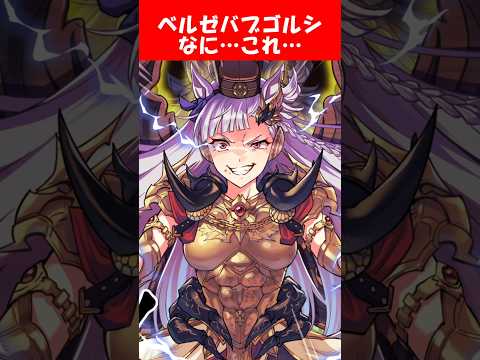
A meme title referencing Beelzebub Gorshi, a character in Uma Musume Pretty Derby, has gained traction within the game’s player community. The title “Sharp-Nailed Corn Beelzebub Gorshi” appears to reference specific in-game mechanics and stat configurations, sparking varied reactions across social media platforms including Twitter, 5channel, and YouTube. The meme exemplifies how dedicated gaming communities generate creative content based on deep understanding of game systems.
Why It Matters
This phenomenon illustrates a broader shift in how modern gaming communities function. Rather than focusing solely on character performance or competitive viability, players increasingly celebrate characters through creative memes and niche content that requires substantial game knowledge to understand. This reflects the maturation of gaming communities and their role in sustaining long-term engagement with titles. For Uma Musume specifically, such fan-generated content has become as important to the game’s ecosystem as official updates and balance changes.
Background
Uma Musume Pretty Derby is a character-driven mobile game where players train horse-girl characters to compete in races. The game features complex stat systems, including an attribute called “nail” (爪), which plays a significant role in character development strategies. The term “corn” references in-game items or character traits. Beelzebub Gorshi is a character within the game that has become associated with specific breeding and training patterns, making it a natural subject for community memes.
The Uma Musume community has a documented history of creating meme titles and content based on game mechanics. These memes typically emerge when players discover unusual stat distributions or training outcomes, leading to creative naming conventions that encode game knowledge within seemingly nonsensical titles. This culture reflects how experienced players communicate with one another through shared understanding of system mechanics.
Key Points
- The meme title encodes specific in-game mechanics related to stat distribution and character training, requiring substantial game knowledge to decode
- Community reactions span from enthusiastic appreciation of creative content to skepticism about prioritizing memes over performance discussion
- The phenomenon demonstrates multiple evaluation axes for characters beyond raw competitive strength, including story depth, personality, training enjoyment, and meme potential
- Similar meme cultures exist in other gacha games like Granblue Fantasy and Fate/Grand Order, suggesting a broader industry trend
- The meme may serve as a barrier to entry for new players unfamiliar with deep system mechanics and community in-jokes
- Fan-generated content has become integral to sustaining community engagement and game longevity
Community Reactions Across Platforms
Twitter: Predominantly positive responses, with players praising the creative wordplay and community ingenuity. Comments like “Love this sense of humor” and “The creativity of the Uma Musume community is amazing” were common, reflecting appreciation for fan-generated content.
5channel: More mixed reactions appeared on this platform, with some players questioning whether the meme was serious or joking, and others advocating for focus on game performance discussions rather than meme culture. This reflects a divide between players prioritizing competitive analysis and those valuing community culture.
YouTube: Comments frequently expressed confusion about the meme’s meaning, with viewers noting that understanding the title requires substantial game knowledge. This indicates the meme functions as insider content for experienced players.
The Structure of Game Meme Culture
Meme titles like “Sharp-Nailed Corn Beelzebub Gorshi” typically emerge through a specific process. Players discover unusual or interesting stat configurations during character training, then create memorable titles that encode this knowledge. These titles serve multiple functions: they communicate specific game information to knowledgeable players, create in-group identity within the community, and demonstrate creative engagement with game systems.
This phenomenon is not unique to Uma Musume. Granblue Fantasy players created memes around specific team compositions (“○○ formations”), while Fate/Grand Order players generated content around servant training methods. Each game’s meme culture reflects the particular mechanics that define that game’s strategic depth.
Character Evaluation Beyond Performance
Uma Musume’s community evaluates characters across multiple dimensions:
- Game Performance: Race win rates and stat configurations
- Narrative Quality: Story depth and character backstories
- Personality Appeal: Character charm and individual traits
- Training Enjoyment: The fun factor of the breeding and training process itself
- Meme Potential: How easily a character lends itself to creative community content
This multi-axis evaluation system explains why characters considered weak in competitive play can still generate significant community engagement. Beelzebub Gorshi’s prominence in meme culture may reflect its meme potential rather than its competitive viability, yet this form of engagement proves equally valuable for community health and game longevity.
The Relationship Between Memes and Affection
A counterintuitive aspect of gaming communities is that meme-ification often indicates deep affection rather than mockery. When players create elaborate memes around a character, they typically demonstrate substantial knowledge of and investment in that character. The creative effort required to craft a meme like “Sharp-Nailed Corn Beelzebub Gorshi” suggests genuine engagement with the character and game systems, expressed through humor and creativity rather than straightforward praise.
This pattern appears consistently across anime and gaming fandoms. Characters that become “meme characters” often develop dedicated fanbases precisely because the meme format allows for creative expression of fandom. The meme becomes a vehicle for demonstrating both knowledge and affection simultaneously.
Implications for Game Community Development
The prominence of meme culture in Uma Musume suggests several trends in modern gaming communities:
Community-Generated Content as Core Value: Fan-created content has become as important as official game content in sustaining player engagement. Games that foster creative communities tend to maintain active playerbases longer than those focused solely on mechanical balance.
Knowledge Gatekeeping Concerns: While meme culture demonstrates community maturity, it may inadvertently create barriers for new players. Understanding memes like “Sharp-Nailed Corn Beelzebub Gorshi” requires investment in learning game systems and community history, potentially discouraging newcomers.
Feedback Loop Between Players and Developers: In some cases, fan-generated content influences official game design. Developers monitor community memes and discussions to understand which mechanics resonate with players, potentially incorporating these insights into future updates.
Insights
The “Sharp-Nailed Corn Beelzebub Gorshi” meme represents a maturation milestone for the Uma Musume community. Rather than viewing this as trivial fan behavior, it should be understood as evidence of a healthy, creative community that has developed sophisticated internal communication systems. The meme encodes game knowledge, demonstrates creative engagement, and builds community identity simultaneously.
However, this same phenomenon highlights a potential challenge: as community culture becomes more complex and insider-focused, new players may struggle to participate meaningfully. The most successful gaming communities balance insider creativity with accessibility, ensuring that meme culture enhances rather than excludes the broader playerbase.
Ultimately, the existence and popularity of memes like this one indicates that Uma Musume has transcended the status of a mere game and become a cultural phenomenon within its community. Players engage with it not just as a competitive experience or narrative experience, but as a shared creative space where game mechanics become the raw material for community expression. This multifaceted engagement model may be key to understanding why certain games maintain passionate communities over years, while others fade despite strong initial mechanics.