▶ Watch the original YouTube video
Turbo Granny Becomes a Mascot in Episode 11: Fan Reactions and Production Analysis
In episode 11 of Dandadan, the character Turbo Granny undergoes a dramatic transformation from antagonist to mascot, marking a significant narrative shift. This character evolution has sparked divided reactions across fan communities, with viewers interpreting the change as either a strategic production decision or an abrupt tonal shift. The transformation signals a transition into a new story phase centered on a new objective: locating lost ammunition.
- What Happened
- Why It Matters
- Background
- Key Points
- Production Strategy Analysis
- Comparative Analysis: Character Transformation Success Rates
- Fan Reactions: Positive Responses
- Fan Reactions: Critical Responses
- Fan Reactions: Analytical Responses
- Narrative Structure Implications
- Broader Implications for Anime Production
- Insights
What Happened
In Dandadan episode 11, Turbo Granny—previously established as a powerful, dangerous antagonist—transitions into a mascot-like character position. This shift occurs alongside the introduction of a new narrative goal: searching for lost ammunition. The character’s appearance and behavior become noticeably more comedic, and the relationship between Turbo Granny and the main characters shifts from adversarial to cooperative. This transformation represents a deliberate narrative pivot that restructures character dynamics and story momentum.
Why It Matters
Character transformation sequences serve as critical structural markers in anime storytelling. When antagonists transition to ally status, it typically signals entry into a new narrative phase. This shift affects audience psychology, viewer expectations, and the overall tonal direction of the series. The Turbo Granny transformation demonstrates how production teams manage audience perception during major plot transitions. Understanding this decision illuminates broader storytelling strategies used in contemporary anime production and reveals how creators balance narrative progression with audience reception.
Background
Dandadan follows a narrative structure common to many modern anime: initial conflict with an antagonist, gradual revelation of complexity, and eventual alliance formation. Turbo Granny was introduced as a formidable obstacle with seemingly malevolent intentions. By episode 11, the series had established sufficient context for audience acceptance of this character’s shift toward the protagonist’s side. The introduction of the “lost ammunition” objective provides narrative justification for Turbo Granny’s continued presence in the story while recontextualizing her role from threat to asset.
Key Points
- Character Role Reversal: Turbo Granny transitions from boss-level antagonist to mascot-aligned character, fundamentally altering her narrative function.
- New Story Objective: The introduction of “lost ammunition” as a central plot device provides narrative momentum and justifies Turbo Granny’s continued involvement.
- Relationship Restructuring: Protagonist-antagonist dynamics shift to protagonist-ally cooperation, opening new character interaction possibilities.
- Tonal Shift: Visual and behavioral comedification of Turbo Granny influences the overall series tone, broadening appeal to audiences preferring comedic elements.
- Divided Audience Response: Fan reactions split between enthusiastic acceptance and skeptical resistance, indicating the transformation’s polarizing nature.
- Narrative Structure Implications: The shift suggests progression from story act one (conflict/introduction) to act two (alliance/expansion), following classical three-act narrative structure.
Production Strategy Analysis
From a production standpoint, character mascotization serves multiple strategic functions. First, it reduces psychological resistance to previously antagonistic characters by introducing comedic elements that soften their threatening presentation. Second, it expands potential audience demographics by incorporating humor alongside serious narrative elements. Third, it provides narrative flexibility for future plot developments, allowing Turbo Granny to function as comic relief, support character, or plot device as needed.
This approach mirrors strategies employed in other successful anime series. In Attack on Titan, character integration occurs gradually across multiple episodes, allowing audience adjustment. In One Punch Man, the character Genos undergoes similar comedification between episodes 5-10, creating smoother audience acceptance. Dandadan’s approach differs by implementing the transformation more rapidly in episode 11, creating a more abrupt tonal shift.
Comparative Analysis: Character Transformation Success Rates
Attack on Titan: Gradual character integration across early episodes resulted in high audience acceptance with minimal resistance. The incremental approach allowed viewers to adjust expectations progressively.
One Punch Man: Genos’s comedification occurred across multiple episodes (5-10), enabling natural audience acclimation. The extended timeline facilitated smoother tonal transitions.
Dandadan: Turbo Granny’s transformation occurs more abruptly in episode 11, resulting in moderate audience acceptance with notable division between positive and negative responses. The rapid change created psychological resistance in some viewers despite the narrative justification.
Fan Reactions: Positive Responses
Supportive viewers interpreted Turbo Granny’s transformation as a logical narrative progression. Comments such as “Granny becoming the mascot—I wonder if Turbo Granny will be the main weapon going forward” indicate audience investment in the character’s future role. Positive responses focused on narrative functionality, with viewers recognizing how the transformation enables new story possibilities and character dynamics. These reactions suggest successful transmission of production intent to receptive audience segments.
Fan Reactions: Critical Responses
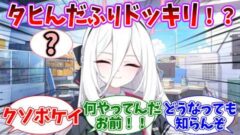
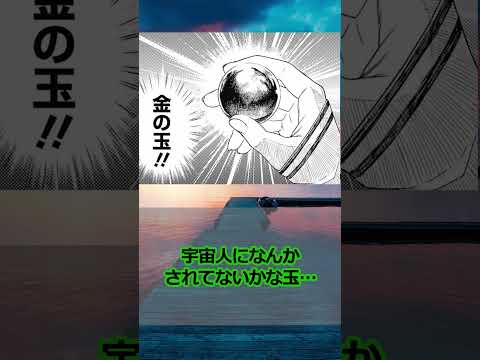
Skeptical viewers expressed concern about the abruptness and tonal consistency of the transformation. Comments like “That’s not a cute mascot” and speculation about external influence (“Did aliens do something to Granny?”) indicate viewer discomfort with the rapid character shift. Critical responses centered on the sudden nature of the change and perceived inconsistency with established character presentation. These reactions highlight the risks of rapid character transformation without sufficient gradual development.
Fan Reactions: Analytical Responses
Sophisticated viewers recognized the structural necessity of the transformation. Comments acknowledging how the character change enables new narrative possibilities and provides story motivation demonstrate deeper engagement with production strategy. These responses indicate audience members capable of distinguishing between personal preference and structural narrative function, recognizing the transformation as a deliberate creative choice serving larger story architecture.
Narrative Structure Implications
The Turbo Granny transformation represents transition from classical three-act structure’s first act (establishment, conflict, antagonist introduction) to the second act (alliance formation, objective expansion, stakes elevation). This structural shift enables narrative expansion through new character dynamics, introduces fresh plot objectives, and creates opportunities for character depth exploration through revealed backstory and motivation.
The “lost ammunition” objective functions as the second-act catalyst, providing narrative propulsion and justifying character presence. Future episodes will likely reveal whether Turbo Granny’s past contains hidden complexity, whether new antagonists emerge to challenge the expanded protagonist alliance, and how the character’s comedic presentation masks deeper character dimensions—a pattern established in series like My Hero Academia.
Broader Implications for Anime Production
The Turbo Granny transformation illustrates contemporary anime production’s balancing act between narrative complexity and audience accessibility. By introducing comedic elements to serious characters, production teams expand demographic appeal without sacrificing plot sophistication. This strategy reflects industry recognition that diverse audience segments require different tonal registers—some viewers prioritize serious narrative, others seek comedic relief, and sophisticated audiences appreciate both elements functioning simultaneously.
The divided audience response also demonstrates the inherent risk in rapid character transformation. While gradual change allows psychological adjustment, abrupt transformation creates cognitive dissonance for some viewers. Production teams must weigh narrative efficiency against audience comfort, balancing story pacing against character development timeline.
Insights
The Turbo Granny transformation in Dandadan episode 11 represents more than cosmetic character adjustment—it signals deliberate narrative architecture designed to transition the series into a new story phase. The transformation’s success depends not on universal audience approval but on whether it effectively serves the story’s structural needs and enables compelling future narrative developments.
The divided fan response reflects legitimate differences in viewer preferences rather than production failure. Some audiences prioritize tonal consistency and gradual character development; others value narrative efficiency and expanded story possibilities. The transformation succeeds in achieving its structural function—establishing new character alliances and introducing fresh narrative objectives—regardless of individual viewer preference.
Future episodes will determine whether the transformation’s long-term narrative payoff justifies the abruptness of its execution. If Turbo Granny’s character depth expands through revealed backstory and complex motivations, the rapid transformation will appear prescient. If the character remains primarily comedic without substantive development, critical assessment may shift toward viewing the change as tonal inconsistency rather than strategic narrative choice.
Ultimately, the Turbo Granny transformation exemplifies how production decisions ripple through audience interpretation, creating opportunities for both narrative innovation and audience division. The willingness to implement rapid character transformation demonstrates production confidence in the series’ narrative direction and audience investment—a significant creative statement in itself.