▶ Watch the original YouTube video
One Piece Fans Outraged Over Sanji’s Clichéd Dialogue: A Deep Analysis of the Series’ Narrative Decline
Recent episodes of One Piece have sparked widespread criticism from long-time fans over protagonist Sanji’s increasingly clichéd and overwrought dialogue. The backlash reveals deeper concerns about character inconsistency, power scaling inflation, and the erosion of the series’ original narrative structure after 15+ years of serialization.
- What Happened
- Why It Matters
- Background
- Key Points
- Analysis: Why Clichéd Dialogue Creates Narrative Dissonance
- The Conqueror’s Haki Problem: Inflation and Inconsistency
- Character Definition Crisis: From Support to Sovereignty
- Broader Patterns in Long-Running Series
- Perspectives on the Criticism
- Insights and Implications
What Happened
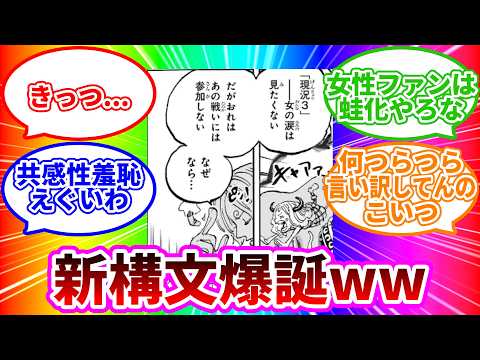
In the latest episodes of One Piece, character Sanji has been criticized for delivering dialogue that fans describe as “chuunibyou” (adolescent delusion)—overly dramatic, intellectually pretentious, and tonally inconsistent with his established character. The criticism centers on lines that feel forced and disconnected from the narrative context, such as delivering analytical monologues while other characters are in distress. This has prompted broader discussion about whether the series’ creator Eiichiro Oda is losing his narrative touch.
Why It Matters
One Piece is one of the longest-running and most commercially successful manga series in history. The quality of its character writing and narrative consistency directly impacts millions of readers worldwide. When core characters begin exhibiting inconsistent behavior and poorly-written dialogue, it signals potential structural problems in the story itself. This criticism also reflects a common pattern in long-running serialized works: the gradual erosion of character authenticity and thematic coherence as series extend beyond their original scope.
Background
One Piece began serialization in 1997 and has maintained continuous publication for over two decades. The series initially gained acclaim for its simple yet powerful character expressions, action-driven storytelling, and thematic focus on freedom and adventure. Early character dynamics were clearly defined: Luffy as leader, Zoro as swordsman, Nami as navigator, Usopp as sniper, and Sanji as cook—each with distinct roles supporting the crew’s mission.
However, since the Wano Country arc, readers have observed significant shifts in character writing quality. The introduction of power systems like Conqueror’s Haki and retroactive character backstories (such as Sanji’s Germa royal lineage) have fundamentally altered how characters are written and developed. These changes have prompted questions about whether the series maintains narrative coherence or has succumbed to common pitfalls of extended serialization.
Key Points
- Dialogue Quality Decline: Sanji’s recent lines feature awkward phrasing and intellectual pretension that contradicts his established personality, suggesting the author is attempting to portray intelligence through dialogue rather than action or strategic thinking.
- Conqueror’s Haki Devaluation: Once presented as an extraordinarily rare ability, Conqueror’s Haki is now possessed by numerous characters, eliminating its special status and accelerating power scaling inflation similar to the Super Saiyan proliferation in Dragon Ball.
- Character Definition Contradiction: Sanji’s original role as a “supporting” character conflicts with his recent positioning as a royal figure destined for greatness, creating fundamental narrative inconsistency within the crew’s established hierarchy.
- Secondary Character Marginalization: Characters like Usopp and Nami have been reduced to supporting roles with minimal combat relevance, whereas early One Piece featured each crew member with distinct, meaningful contributions.
- Retroactive Power Scaling: Recent character enhancements (Germa suit, exoskeleton, Conqueror’s Haki) appear mechanically grafted onto characters rather than organically developed, suggesting power increases driven by plot necessity rather than character development.
- Thematic Shift from Meritocracy to Bloodline: Early One Piece emphasized that effort and willpower transcended birth circumstances, but recent arcs increasingly emphasize royal lineage and inherited abilities as determinants of strength.
Analysis: Why Clichéd Dialogue Creates Narrative Dissonance
The core issue with Sanji’s recent dialogue stems from a fundamental mismatch between character concept and execution. When Sanji’s Germa royal heritage was introduced, his character arc shifted from “supporter of Luffy” to “royal with inherent destiny.” This conceptual change manifests in dialogue that attempts to convey intellectual sophistication, but lacks the narrative foundation to support it.
Effective character intelligence can be demonstrated through two primary methods: action-based demonstration (as seen in Death Note’s Light Yagami, where intelligence emerges through executed plans) or dialogue-based demonstration through meaningful discourse with other characters (as in Code Geass). Sanji’s current approach attempts intellectual portrayal through isolated monologues disconnected from surrounding action, creating the impression of rationalization rather than genuine insight.
This writing shift correlates with Oda’s stated approach of adjusting character dialogue to match voice actor performances. While voice direction can enhance characterization, subordinating character essence to vocal performance risks creating inconsistency when character fundamentals are compromised.
The Conqueror’s Haki Problem: Inflation and Inconsistency
Conqueror’s Haki exemplifies how power system inflation undermines narrative stakes. When introduced, this ability was presented as extraordinarily rare—possessed only by individuals with exceptional will and destiny. Current confirmed users include: Luffy, Shanks, Blackbeard, Doflamingo, Eustass Kid, Big Mom, Kaido, and Sanji.
This expansion transforms a “power of the chosen” into a “power of the strong,” eliminating meaningful differentiation. The justification for Sanji’s acquisition—his royal Germa bloodline—creates logical inconsistency: One Piece’s world contains numerous royal families (Alabasta’s Nefertari clan, for example), yet not all royals possess Conqueror’s Haki. This breaks the established power system’s internal logic.
Character Definition Crisis: From Support to Sovereignty
Sanji’s original character definition positioned him as a “supporting” crew member—complementary to Luffy’s leadership rather than competitive with it. This role structure paralleled successful ensemble narratives where each character maintains distinct functional purpose. Recent narrative positioning, however, increasingly frames Sanji as a potential “king,” directly contradicting his foundational role.
This contradiction creates organizational instability within the crew’s narrative structure. A crew cannot function when its support pillar simultaneously pursues independent sovereignty. The criticism “what’s the point of a supporter becoming a king? That leads to internal collapse” accurately identifies this structural problem.
Broader Patterns in Long-Running Series
One Piece’s current trajectory reflects common pitfalls in extended serialization observed across multiple franchises. Power scaling inflation, retroactive character modifications, secondary character marginalization, and thematic drift from original premises appear consistently in series that extend significantly beyond their original planned scope.
Early One Piece emphasized meritocratic advancement and personal will overcoming circumstance. Current arcs increasingly emphasize bloodline, royal status, and inherited abilities—a thematic inversion that contradicts foundational messaging. This shift suggests either intentional creative redirection or gradual narrative drift resulting from extended production demands.
Perspectives on the Criticism
Fan criticism divides into three coherent categories: technical critique of dialogue quality (readability and tonal consistency), logical critique of setting inconsistencies (power system rules and character role contradictions), and character analysis critique (loss of behavioral authenticity and action-based characterization).
These critiques are not merely emotional reactions but substantive observations about narrative structure degradation. The consistency of criticism across different analytical frameworks suggests the problems identified reflect genuine structural issues rather than subjective preference.
Insights and Implications
One Piece’s current challenges illustrate how extended serialization can compromise narrative coherence even in works of exceptional initial quality. The series demonstrates that commercial success and longevity do not automatically preserve creative integrity—extended production timelines, editorial pressure, and accumulated continuity can gradually erode the thematic clarity and character authenticity that defined a work’s original appeal.
The gap between early One Piece’s elegant simplicity (clear character roles, action-driven characterization, thematic focus on freedom) and current complexity (retroactive power systems, bloodline-based abilities, dialogue-heavy exposition) suggests that quantitative expansion does not guarantee qualitative development. The series’ trajectory offers instructive lessons about the specific vulnerabilities of long-running serialized narratives and the difficulty of maintaining creative vision across decades of continuous production.
Whether One Piece can recalibrate toward its original narrative principles remains uncertain, but the current criticism reflects legitimate structural concerns rather than mere fan dissatisfaction.