▶ Watch the original YouTube video
Gender Bias in Fan Culture: Why Box Pushing Gets Different Reactions From Male and Female Otaku
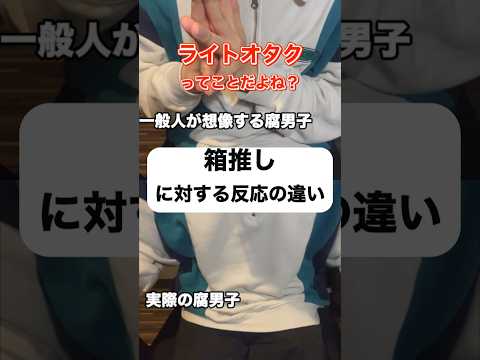
A viral YouTube video highlights a striking double standard in anime and gaming fan communities: when female fans support all characters equally (“box pushing”), they’re praised as enlightened; when male fans do the same, they’re dismissed as casual fans. This phenomenon reveals deeper gender dynamics embedded in otaku culture that have evolved over the past 15 years.
What Happened
A YouTube video has sparked widespread discussion about how otaku communities evaluate “box pushing”—a fan engagement style where supporters equally love and promote all characters in a series rather than selecting a single favorite. The video argues that this identical behavior receives fundamentally different social responses depending on the gender of the fan practicing it. Female fans who embrace box pushing are often celebrated as embodying inclusive, caring values, while male fans engaging in the same behavior face criticism for lacking commitment or being “casual” fans.
Why It Matters
This phenomenon exposes how gender norms invisibly shape cultural hierarchies within fan communities. Rather than representing genuine diversity in how people engage with media, the current system enforces an unspoken standard where female-coded values (emotional inclusivity, relationship focus, collective harmony) are treated as the legitimate form of fandom, while male-coded preferences (individual choice, decisive commitment, specialization) are devalued. Understanding this dynamic is crucial for anyone participating in online communities, as it reveals how social pressure operates beneath seemingly neutral discussions about fan preferences.
Background
Fan culture surrounding anime and games has undergone significant transformation since the early 2010s. The term “box pushing” emerged approximately 12 years ago in Japanese online communities, initially as a niche concept. Over the past decade, the economics of fan engagement have shifted dramatically: female fans now represent a larger proportion of the consumer base and wield greater purchasing power than male fans in many anime and gaming sectors. This economic shift has coincided with the mainstreaming of fan practices historically associated with female communities, particularly those rooted in BL (boys’ love) fandom culture. Simultaneously, otaku culture has increasingly emphasized character relationships and emotional depth—aesthetic priorities traditionally associated with female fan communities.
Key Points
- Double Standard in Evaluation: Female fans practicing box pushing are praised as “enlightened” and “self-loving,” while male fans engaging in identical behavior are labeled “casual” or “uncommitted.”
- Psychological Motivation Differs by Gender: Research suggests female fans often choose box pushing from a sense of emotional responsibility (avoiding “hurting” characters by not supporting them), while male fans typically cite practical reasons (indecision or genuine equal preference).
- Economic Incentives Reinforce the Bias: Industry stakeholders view female box pushers as high-value customers likely to purchase merchandise for all characters, while viewing male box pushers as uncommitted consumers.
- Invisible Standard Based on Female Values: Fan culture has implicitly adopted “female-coded” values (inclusivity, emotional care, relationship focus) as the legitimate standard for authentic fandom, marginalizing alternative approaches.
- Recent Trend Toward Normalization: Since 2020, diverse fan engagement styles have gained broader acceptance, but this represents the expansion of female-coded values rather than true pluralism.
- Gendered Language Reflects Deeper Bias: The framing of box pushing as either “enlightened love” or “lack of commitment” depends entirely on the perceived gender of the fan.
Timeline
- ~2012: Term “box pushing” emerges in Nico Nico Douga comments; initially dismissed by single-character fans.
- 2013–2017: Observable pattern of gender-based evaluation differences in anime communities; female fans’ box pushing praised, male fans’ criticized.
- 2016–2017: Author observes direct evidence of this double standard in anime forums and community spaces.
- 2018–2019: “Single favorite” preference remains culturally dominant; BL anime fandom expands significantly.
- 2019: Author conducts informal fan psychology survey (~150 respondents) revealing different psychological motivations by gender.
- 2020–2022: Industry shift toward valuing diverse fan engagement styles; female fans’ purchasing power clearly exceeds male fans’.
- 2020–Present: Multiple fan engagement styles gain acceptance, but framework remains rooted in female-coded values.
Perspectives
The Mainstream View: Recent industry and community discourse frames the acceptance of multiple fan engagement styles—including box pushing—as evidence of growing inclusivity and diversity. Producers and directors increasingly speak of “respecting diverse fan preferences,” which appears progressive on the surface.
The Critical Analysis: However, this apparent pluralism actually represents the universalization of female-coded values rather than genuine diversity. The “respect” shown to different fan styles is selective: it celebrates approaches aligned with female fan culture (relationship focus, emotional inclusivity) while continuing to marginalize male-coded preferences (individual specialization, decisive commitment). This is not diversity but rather a shift in which values occupy the cultural center.
The Community Response: Social media reactions reveal significant tension. Many fans—particularly male fans—report feeling social pressure to either conform to box pushing or justify single-character preferences. Simultaneously, some community members argue that celebrating female fan values as universal standards creates its own form of pressure and exclusion.
The Economic Reality: Industry insiders confirm that female fans’ greater purchasing power directly influences which fan behaviors are culturally validated. Box pushing by female fans is economically rational (buying merchandise for all characters) and therefore encouraged; the same behavior by male fans is economically suspect (suggesting uncommitted consumers) and therefore discouraged.
Insights
This phenomenon reveals that fan communities, despite their reputation for inclusivity, operate according to invisible gender hierarchies. The double standard surrounding box pushing is not a minor social quirk but rather a window into how cultural legitimacy is constructed and maintained. In capitalist systems, economic power translates into cultural authority: as female fans’ purchasing power has grown, female-coded values have become embedded in the definition of “authentic” fandom itself.
Importantly, this represents not the triumph of diversity but rather a transformation of which gender’s values occupy the center of cultural authority. True diversity would mean that box pushing, single-character devotion, and multiple-character preference could coexist as equally valid approaches without requiring justification or facing social pressure. Currently, the system has simply inverted the hierarchy rather than dismantling it.
The video’s use of “Sister Box” as a character archetype—evoking religious imagery of universal, selfless love—is particularly insightful. It captures how female box pushing has been culturally sanctified as a higher moral position, while male box pushing remains suspect. This sanctification process is not accidental; it reflects and reinforces the economic incentives that benefit from female fan engagement.
For the future of fan culture, the challenge lies in moving beyond this dynamic. Rather than celebrating the ascendance of female-coded values as progress, communities might instead work toward a system where different engagement styles are genuinely treated as equivalent expressions of fandom. This would require acknowledging that the current framework—despite its appearance of inclusivity—still enforces conformity to a single standard, merely a different one than before.