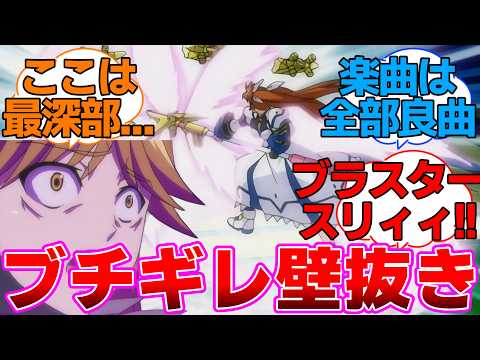
▶ Watch the original YouTube video
Magical Girl Lyrical Nanoha StrikerS: A Deep Analysis of Visual Design and Narrative Complexity
StrikerS (STS), the third season of the Magical Girl Lyrical Nanoha franchise, represents a fundamental shift in the series’ thematic focus—from childhood wonder to adult responsibility. Through its visual evolution and complex organizational narrative, StrikerS established a new paradigm for magical girl storytelling that prioritizes character growth, institutional politics, and ethical frameworks over traditional magical girl conventions.
What Happened
StrikerS aired in 2006 during the early era of late-night anime, introducing a dramatically aged protagonist. The original series featured Nanoha as a elementary school student; StrikerS presents her as a 19-year-old military officer operating within a complex bureaucratic organization. This transformation extends beyond simple character aging—it fundamentally restructures the narrative’s thematic foundation, moving from Earth-based conflicts with sympathetic antagonists to interdimensional operations within a structured legal framework.
The series introduces the “Numbers” character group, implements a cartridge-based combat system, and establishes a non-lethal enforcement doctrine where enemies are arrested rather than defeated. Raising Heart, Nanoha’s device companion, transitions from a mysterious extraterrestrial artifact to a fully integrated military tool. These changes collectively redefine what the Nanoha franchise represents.
Why It Matters
StrikerS addresses a rarely explored question in magical girl fiction: what happens when the protagonist grows up? Rather than abandoning the genre’s core elements, the series demonstrates how magical girl narratives can evolve to accommodate adult protagonists without sacrificing thematic coherence. This approach influenced subsequent magical girl works and established a template for aging existing franchises.
The series’ treatment of institutional politics, legal frameworks, and organizational hierarchy introduced complexity typically absent from the magical girl genre. By presenting a world governed by law rather than individual heroism, StrikerS expanded the genre’s narrative possibilities and demonstrated that magical girl stories could engage with mature themes without becoming cynical or nihilistic.
Background
The original Magical Girl Lyrical Nanoha (2004) presented a straightforward narrative: a young girl discovers magical powers and uses them to protect Earth from interdimensional threats. The series emphasized emotional connection and the moral complexity of its antagonists, many of whom possessed sympathetic motivations.
StrikerS, arriving two years later, inherited this foundation but radically recontextualized it. The protagonist’s maturation necessitated narrative restructuring. A 19-year-old military officer cannot operate within the same framework as an elementary school student; institutional authority, professional responsibility, and legal accountability become central concerns. The series’ visual design reflects this shift—Nanoha’s iconic twin-tails remain, preserving character identity, but her barrier jacket evolves from a child’s outfit to an adult military uniform, with the Exceed Mode variant featuring a longer skirt that symbolizes retained innocence within professional maturity.
Key Points
- Visual Evolution as Character Development: Nanoha’s costume progression from elementary school attire to military uniform to the Exceed Mode’s refined design visually communicates her psychological transformation while maintaining iconic character elements.
- Institutional Framework: StrikerS establishes a functioning legal system within the magical world, where enforcement means arrest rather than elimination, fundamentally distinguishing it from traditional magical girl narratives.
- Combat System Sophistication: The introduction of cartridge-based combat and tactical formations reflects the shift from individual heroism to coordinated military operations.
- Character Identity Preservation: Despite significant character aging and role changes, StrikerS maintains psychological consistency with previous installments, ensuring character arcs feel earned rather than contradictory.
- Organizational Complexity: The series introduces factional politics, bureaucratic conflict, and institutional hierarchies—elements absent from the original series but essential to depicting adult professional life.
- Device Relationships: Raising Heart’s evolution from mysterious artifact to trusted military partner symbolizes the deepening bond between operator and equipment, reflecting Nanoha’s own maturation.
Timeline
- 2004: Original Magical Girl Lyrical Nanoha airs, establishing the franchise with elementary school protagonist Nanoha Takamachi.
- 2005: Nanoha A’s continues the narrative, introducing additional magical conflicts and character development.
- 2006: StrikerS airs, presenting Nanoha as a 19-year-old military officer, fundamentally restructuring the series’ thematic focus.
- Post-2006: StrikerS’ narrative framework influences subsequent installments, establishing institutional settings as standard for the franchise.
Perspectives
Critical Reception and Interpretation: StrikerS generated polarized responses. Some viewers criticized the series for “aging the protagonist too much,” arguing that the magical girl genre’s essence was compromised by institutional bureaucracy. Others praised the series for demonstrating narrative maturity and thematic sophistication. This divide reflects fundamental disagreements about genre definition and character development philosophy.
Visual Design Debate: The adult twin-tails design received criticism as “painful” or “cosplay-like,” yet this choice served practical narrative purposes—maintaining character identification within a large ensemble cast while visually communicating the tension between retained identity and adult responsibility.
Comparative Analysis: When compared to Cardcaptor Sakura, which centers character growth around romantic development, StrikerS presents growth through professional responsibility and institutional integration. Unlike Fate/stay night, which explores idealism versus pragmatism through individual moral conflict, StrikerS examines these tensions through organizational politics. In contrast to Puella Magi Madoka Magica, which deconstructs magical girl systems through existential despair, StrikerS reconstructs them through legal and institutional frameworks.
Voice Acting and Character Identity: The voice actor change for Raising Heart in subsequent productions generated significant fan concern, as device voices fundamentally shape series atmosphere. This reflects broader recognition that character identity extends beyond visual design to include vocal performance and sonic branding.
Insights
StrikerS represents a watershed moment in magical girl narrative evolution. By treating character aging as a fundamental narrative challenge rather than a continuity problem, the series demonstrated that franchises could mature alongside their audiences without sacrificing thematic coherence. The shift from individual heroism to institutional responsibility reflects broader cultural conversations about adulthood, professional identity, and the relationship between personal values and organizational structures.
The series’ non-lethal enforcement doctrine, while initially appearing as a simple rule change, actually establishes the magical world as a functioning legal state rather than a fantasy setting. This grounding in institutional reality distinguishes StrikerS from both traditional magical girl narratives and darker deconstructions like Madoka Magica, positioning it within a unique narrative space that acknowledges adult complexity without abandoning genre optimism.
The introduction of ensemble casts and organizational hierarchies, initially criticized as diluting focus from the protagonist, actually serves the thematic purpose of depicting adult professional life. Adults operate within systems; they coordinate with colleagues, navigate institutional politics, and balance personal values against organizational demands. StrikerS’ narrative structure reflects these realities.
The series’ enduring debate—whether it represents evolution or deviation—ultimately validates its artistic significance. Works that generate sustained critical discussion prove their thematic substance. StrikerS’ willingness to challenge genre conventions, combined with its commitment to character consistency and narrative coherence, established it as a landmark entry in magical girl fiction, demonstrating that the genre could accommodate mature storytelling without abandoning its core emotional resonance.