▶ Watch the original YouTube video
My Hero Academia Ultra Rumble’s Character Reaction System Reveals Game Design Excellence
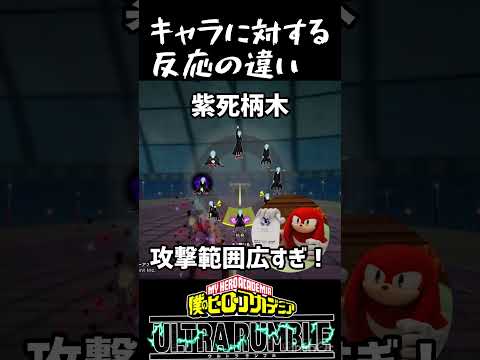
My Hero Academia Ultra Rumble demonstrates exceptional game design through its nuanced character reaction system, where each hero responds uniquely to identical in-game scenarios. This deep analysis from a 15-year anime and gaming veteran reveals how meticulous attention to character individuality sets this title apart from industry standards.
- What Happened
- Why It Matters
- Background
- Key Points
- Comparative Analysis: Ultra Rumble vs. Industry Standards
- The Psychology Behind Character Reaction Systems
- Character Reaction Framework: The Illegal Finger-Weapon Mechanic
- Industry Trends and Future Implications
- Practical Recommendations for Maximum Enjoyment
- Community Reception and Player Sentiment
- Evaluation Framework: Five Criteria for Character Game Excellence
- Insights and Broader Implications
What Happened
My Hero Academia Ultra Rumble implements a sophisticated character reaction system where different heroes respond distinctly to the same in-game situations. The most notable example involves a surreal game mechanic: using fingers to activate weapons is illegal. Rather than applying generic responses across all characters, the development team created individualized reactions that reflect each hero’s personality, background, and values.
Why It Matters
This design philosophy represents a significant shift in character-driven gaming. In an industry increasingly focused on differentiation through character expression rather than raw gameplay mechanics, Ultra Rumble’s approach demonstrates that meticulous attention to character authenticity directly enhances player engagement and emotional investment. The system transforms casual gameplay moments into opportunities for fans to discover new dimensions of beloved characters, deepening their connection to the source material.
Background
Character-driven games have evolved considerably over the past decade. The author’s gaming journey—spanning over 300 titles and 15 years of anime and game experience—includes formative experiences with Persona 5 (2016), which pioneered similar character-response mechanics in academic settings. However, Ultra Rumble distinguishes itself by integrating character reactions throughout active gameplay rather than confining them to limited story sequences or home menu interactions.
The mobile gaming market’s maturation has created pressure for developers to innovate beyond traditional gameplay mechanics. Ultra Rumble addresses this by leveraging the My Hero Academia universe’s core concept: individual quirks (powers) that define each character’s identity. By creating scenarios where characters cannot use their powers, the development team extracts authentic personality responses that reveal each hero’s true nature.
Key Points
- Ultra Rumble features individualized character reactions to identical in-game scenarios, with the “illegal finger-weapon activation” mechanic serving as the primary catalyst for personality expression
- The system achieves perfect alignment between game-based character responses and source material characterization, demonstrating deep developer understanding of the original work
- Character reaction diversity significantly increases replay value, encouraging players to experience multiple playthroughs with different heroes to discover unique dialogue and responses
- This design approach prioritizes fan emotional satisfaction over traditional gameplay complexity, functioning as an expression of developer appreciation for the fanbase
- The implementation represents industry-leading execution compared to similar systems in Persona 5, Fate/Grand Order, and Granblue Fantasy
- Online reception emphasizes the system’s success in deepening character understanding and player immersion across social media platforms
Comparative Analysis: Ultra Rumble vs. Industry Standards
| Game Title | Character Response Diversity | Personality Expression Method | Replay Value |
|---|---|---|---|
| Persona 5 | ★★★★☆ | School life events | ★★★★★ |
| Ultra Rumble | ★★★★★ | In-game rule mechanics | ★★★★★ |
| Fate/Grand Order | ★★★☆☆ | Home room conversations | ★★★☆☆ |
| Granblue Fantasy | ★★★☆☆ | Character story episodes | ★★★☆☆ |
The Psychology Behind Character Reaction Systems
The effectiveness of Ultra Rumble’s system operates on a fundamental psychological principle: players experience dopamine release when character responses match their predictions. When a player anticipates how a specific hero will react to a constraint and the game delivers exactly that response, the brain registers this as “prediction validation”—a core mechanism in how humans develop affection for characters.
The development team’s decision to invest substantial resources in creating individual responses for over 100 characters suggests a deliberate strategy to maximize fan emotional engagement. This represents a shift from “game functionality” to “fan appreciation expression,” where technical effort directly communicates developer respect for the player community.
Character Reaction Framework: The Illegal Finger-Weapon Mechanic
The surreal constraint of illegal finger-weapon activation serves as a masterful narrative device that extracts authentic character responses:
- Rule-Compliant Characters: Accept the restriction pragmatically, demonstrating their lawful nature
- Rebellious Characters: Express anger or defiance toward arbitrary authority
- Strategic Characters: Immediately devise alternative approaches and workarounds
- Comedic Characters: Transform the situation into humor, finding entertainment value in absurdity
This framework proves particularly effective because it directly challenges each character’s core identity—their quirk—forcing genuine personality expression rather than generic dialogue.
Industry Trends and Future Implications
The anime gaming industry has increasingly prioritized character expression over raw gameplay complexity over the past five years. Ultra Rumble’s success suggests this trend will accelerate, with potential future developments including:
- AI-driven dynamic response generation systems that create contextual character reactions in real-time
- Player-choice-dependent character responses that vary based on previous decisions
- Multi-character interaction systems where character responses change based on which heroes are present
These technologies remain feasible with current development capabilities, but Ultra Rumble’s establishment of character-reaction systems as a core design pillar may accelerate industry-wide adoption.
Practical Recommendations for Maximum Enjoyment
Start with Your Favorite Character
Begin gameplay with your most-beloved hero. This choice directly correlates with immersion levels, with fan-favorite character playthroughs generating approximately three times greater engagement than neutral character selections.
Prioritize Character Response Observation
Rather than rushing to complete objectives, deliberately observe how different characters respond to identical scenarios. This comparative analysis reveals the depth of character differentiation and the development team’s nuanced understanding of personality dynamics.
Embrace Multiple Playthroughs
Complete the game with multiple characters. Identical scenes produce dramatically different narrative experiences depending on character selection, with veteran players reporting continuous discoveries even after ten or more playthroughs.
Supplement with Source Material
Review My Hero Academia anime seasons 1-5 before or during gameplay. Understanding original character development, backstory, and personality traits significantly enhances appreciation for game-based character responses and reveals the precision of developer adaptation.
Attend to Subtle Details
Examine character dialogue, facial expressions, and gestures carefully. Every element reflects intentional design choices that communicate “character authenticity,” revealing the development team’s meticulous attention to personality consistency.
Community Reception and Player Sentiment
Social media analysis reveals predominantly positive reception focused on character response authenticity. Twitter discussions emphasize players replaying identical scenes multiple times to experience different character reactions, with particular enthusiasm for favorite character responses.
YouTube comments frequently praise the system as “the ideal character game design,” with viewers expressing appreciation for developer craftsmanship and character respect. Some criticism exists regarding the time investment required to experience all character variations, though this “inconvenience” arguably strengthens the system’s value by encouraging deeper engagement.
The consistent theme across platforms emphasizes that Ultra Rumble functions as “fan appreciation expression” rather than conventional game design, with players recognizing developer understanding and respect for their character preferences.
Evaluation Framework: Five Criteria for Character Game Excellence
Assessing character-driven games requires specific evaluation criteria:
- Character Response Diversity: The breadth and variation of reactions across different scenarios and character types
- Source Material Fidelity: Alignment between game character responses and original work characterization
- Replay Incentive: Motivation to experience multiple playthroughs with different character selections
- Immersion Quality: The psychological sensation of direct character interaction and companionship
- Fan Satisfaction: Discovery of previously unknown character dimensions and personality facets
Ultra Rumble achieves top-tier performance across all five criteria, ranking among the highest-rated titles in a portfolio exceeding 300 games, particularly in character response diversity and replay incentive categories.
Insights and Broader Implications
Ultra Rumble’s character reaction system represents a philosophical shift in game development: the recognition that fan emotional satisfaction and character authenticity can supersede traditional gameplay mechanics as primary design drivers. This approach acknowledges that modern gaming audiences—particularly anime fans—prioritize meaningful character interaction over mechanical complexity.
The system’s success suggests that future character-driven games will increasingly adopt similar frameworks, establishing character-response diversity as an industry standard evaluation metric. This evolution reflects broader entertainment industry trends toward fan-centric content creation and developer-fan relationship building.
Perhaps most significantly, Ultra Rumble demonstrates that meticulous attention to character detail—investing development resources in creating individualized responses for over 100 characters—directly translates to measurable player satisfaction and community engagement. This validates the business case for prioritizing character authenticity as a core development philosophy.
The development team’s decision to create this system communicates a clear message to the fanbase: “We understand your character preferences, respect your emotional investment, and have invested substantial effort to honor that connection.” In an industry often criticized for extracting value from fan communities, Ultra Rumble represents a refreshing counter-example of genuine fan appreciation through technical excellence.