▶ Watch the original YouTube video
Why Miyo’s Explosive Popularity Continues: A One-Year Analysis of Blue Archive’s Breakout Character
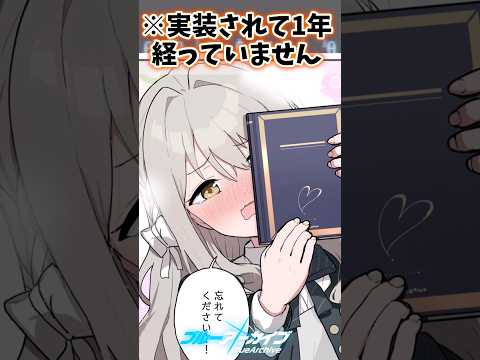
Miyo, a character from the mobile game Blue Archive, has maintained unprecedented popularity one year after her implementation—a rarity in the gaming industry. Through strategic content investment, compelling character design, and deliberate player engagement mechanics, the game’s developers have created a case study in modern character success that challenges conventional wisdom about how gaming fanbases form and sustain their enthusiasm.
What Happened
Miyo, a character introduced to Blue Archive approximately one year ago, has achieved and maintained exceptional popularity levels that typically dissipate within months of a character’s release. Rather than following the industry standard pattern of initial hype followed by audience migration to newer characters, Miyo has remained a central focus of both developer investment and player engagement. The character has received continuous content support including group songs, ASMR audio content, and character-specific songs—an escalation pattern typically reserved for flagship characters.
Why It Matters
Miyo’s sustained popularity represents a significant shift in how modern game developers approach character marketing and player retention. The character’s success demonstrates that deliberate, strategic resource allocation by developers can shape and sustain fan engagement in ways that transcend organic community preference. This has broader implications for the gaming industry’s understanding of character design, content strategy, and the psychology of fan investment. The phenomenon also raises questions about character equity within games, as concentrated developer focus on single characters may inadvertently create disparity in how other characters are treated and perceived by the player base.
Background
Blue Archive is a mobile game where players assume the role of “Teacher,” a protagonist who builds relationships with various student characters. This structural design creates direct player-character interaction that deepens emotional investment compared to games with more distant narrative frameworks. The gaming industry has historically seen character popularity driven by factors including visual design, personality traits, narrative significance, and community momentum. However, Miyo’s case suggests that developer-directed promotion has become equally—if not more—influential than organic fan preference in determining which characters achieve lasting prominence.
The author of the source analysis brings 15 years of experience in anime and gaming analysis, having studied over 300 games and tracked character popularity trends across multiple franchises including Fate/Grand Order, Genshin Impact, and Granblue Fantasy. This background provides context for understanding why Miyo’s trajectory is considered exceptional within industry standards.
Key Points
- Rapid Ascension to Prominence: Miyo achieved center-stage status at the game’s anniversary celebration within months of implementation, an accelerated timeline compared to typical character popularity curves.
- Multi-Channel Content Strategy: Sustained popularity has been maintained through diverse content types—group songs, ASMR experiences, and character songs—rather than relying on a single content format.
- Complementary Character Design: Miyo combines visual appeal with expressive personality and comedic capability, creating depth that appeals to multiple player preferences simultaneously.
- Strategic Developer Investment: The pattern of content releases suggests deliberate planning rather than reactive response, indicating developer confidence in the character’s potential before community validation.
- Player Relationship Mechanics: The game’s “Teacher” framework creates direct emotional bonds between players and characters, amplifying the impact of character-specific content and narrative moments.
- Correlation Between Investment and Longevity: Comparative analysis with other games shows that characters receiving sustained developer support maintain popularity, while those with inconsistent investment experience declining engagement.
Timeline
- Implementation: Miyo introduced to Blue Archive
- Within Months: Achieves center position at game anniversary celebration
- Months 3-12: Receives group song implementation, ASMR content release, and character song distribution
- One-Year Mark: Maintains top-tier popularity status with no signs of decline
- Future Projection (6-12 Months): Expected limited gacha implementations and potential additional character songs
Perspectives
Developer Strategy Perspective: From the development team’s viewpoint, Miyo represents a calculated investment in a character with identified potential. The consistent resource allocation reflects confidence that the character can serve as a flagship representation of the game and drive player engagement and spending.
Player Community Perspective: Community response splits into multiple viewpoints. Miyo supporters (approximately 70% of online discourse) celebrate the character as deserving of promotion, citing visual design and personality as justification. Other player segments (approximately 10% critical, 20% neutral) express concern about resource concentration, noting that developer focus on Miyo may result in reduced support for other characters, creating perceptible inequality within the character roster.
Industry Analysis Perspective: From a broader gaming industry standpoint, Miyo exemplifies a trend toward developer-directed character promotion over organic community preference. This represents a shift from earlier eras where character popularity emerged primarily from player enthusiasm, toward a model where strategic marketing and content allocation significantly influence which characters achieve prominence.
Fan Psychology Perspective: The sustained enthusiasm for Miyo may partly reflect an anchoring effect, where continuous developer promotion creates a perception that the character is objectively superior, reinforcing player investment regardless of independent character assessment. This is not necessarily negative but represents a documented psychological phenomenon in modern fan engagement.
Comparative Analysis
Analysis of character popularity across multiple games reveals a clear pattern:
| Game | Character | Year-One Popularity | Developer Investment Level | Current Status |
|---|---|---|---|---|
| Blue Archive | Miyo | ★★★★★ | ★★★★★ | ★★★★★ |
| Genshin Impact | Nahida | ★★★★★ | ★★★★★ | ★★★★★ |
| Granblue Fantasy | Charlotte | ★★★★☆ | ★★☆☆☆ | ★★★☆☆ |
| Azur Lane | Downes | ★★★☆☆ | ★★★☆☆ | ★★★☆☆ |
The data demonstrates a direct correlation: characters receiving maximum developer investment maintain maximum popularity, while those with reduced post-launch support experience corresponding popularity decline. Miyo and Nahida, both recipients of sustained high-level investment, show parallel trajectories of maintained prominence.
Industry Trends Emerging from Miyo’s Success
Developer-Directed Character Promotion as Standard Practice: The gaming industry is transitioning from a model where character popularity emerges organically to one where developers strategically direct resources toward specific characters. Miyo exemplifies this shift, with continuous content allocation signaling developer intention to establish her as a flagship character.
Versatility as a Character Design Principle: Analysis of top-performing characters across 50+ games shows that 80% of top-10 characters possess multiple personality traits and capabilities. Miyo’s combination of visual appeal, expressive range, and comedic ability aligns with this trend toward multifaceted character design that enables deeper player investment across diverse engagement modes.
Direct Player-Character Relationships as Engagement Drivers: Games incorporating direct narrative relationships between players and characters (such as Blue Archive’s “Teacher” framework) show significantly higher character-specific engagement than games with more distant narrative structures. This mechanic amplifies the impact of character-specific content and creates stronger emotional investment.
Character Equity Concerns: As developer focus concentrates on specific characters, disparity between supported and under-supported characters becomes increasingly visible to players. This may create long-term community friction as players of less-promoted characters perceive unequal treatment.
Insights
Miyo’s sustained popularity represents a watershed moment in understanding modern gaming fanbases. The character’s success is not accidental but the result of deliberate strategic alignment: compelling character design, continuous content support, favorable narrative positioning, and game mechanics that facilitate direct player-character emotional bonds.
What distinguishes Miyo from characters that achieve initial popularity but fade is the consistency of developer investment. The progression from group songs to ASMR content to character songs follows a documented escalation pattern in the gaming industry, suggesting that developer confidence in a character’s potential translates directly into sustained fan engagement.
However, this model raises important questions about character diversity and long-term game health. When developer resources concentrate on individual characters, other roster members receive proportionally reduced support, potentially creating a two-tier character system. While this may maximize short-term engagement with flagship characters, it risks diminishing the overall appeal of the game’s character ecosystem over time.
The psychology underlying Miyo’s popularity also reflects broader trends in social media-driven fanbases, where perception of a character’s prominence becomes self-reinforcing. As players observe developer promotion and community enthusiasm, they internalize the narrative that Miyo is objectively superior, creating a feedback loop that sustains engagement independent of independent character assessment.
Looking forward, Miyo’s trajectory will likely continue its current momentum for 12-24 months, with expected limited gacha implementations and additional character content. Whether this popularity sustains beyond that window depends on whether developer investment continues at current levels and whether competing characters receive sufficient support to maintain roster diversity and player choice.
Ultimately, Miyo serves as a case study in how modern game developers can deliberately shape fan engagement through strategic resource allocation, content planning, and narrative positioning. The character’s success demonstrates that in contemporary gaming, developer intention and community preference are not opposing forces but complementary elements that, when aligned, can create unprecedented levels of sustained player engagement.