▶ Watch the original YouTube video
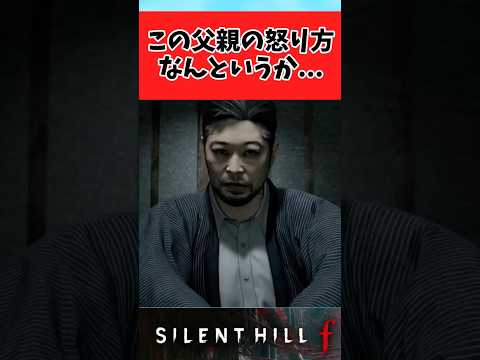
Silent Hill f’s portrayal of an angry father character has generated intense reactions from players and viewers, revealing a significant shift in horror game design toward psychological rather than supernatural scares. The character’s realistic depiction of parental anger—rather than monstrous villainy—has resonated deeply with audiences, triggering personal trauma recollections and sparking broader conversations about the ethical implications of using psychological vulnerability as entertainment.
What Happened
The father character in Silent Hill f has become the subject of widespread discussion across YouTube, Twitter, and gaming communities. Unlike traditional horror game antagonists, this character is portrayed as an ordinary parent expressing realistic anger, rather than an overtly supernatural or grotesque threat. Player reactions captured in video comments and social media posts reveal that the character’s emotional authenticity—his mundane yet terrifying presence—has proven more psychologically disturbing than conventional horror elements. Many viewers report experiencing flashbacks to their own parental relationships and childhood trauma while encountering this character.
Why It Matters
This phenomenon signals a fundamental evolution in horror game design philosophy. For decades, the genre relied on external threats—monsters, supernatural entities, and environmental hazards. Silent Hill f demonstrates that the most effective psychological horror may stem from the most intimate human relationships. The game’s approach raises important questions about the responsibility of game developers when creating content that deliberately targets players’ psychological vulnerabilities. Additionally, the widespread emotional response suggests that audiences are increasingly receptive to horror experiences grounded in psychological realism rather than fantastical scares, indicating a maturation of the gaming audience’s expectations.
Background
The Silent Hill franchise has long explored psychological horror through family trauma and domestic dysfunction. However, Silent Hill f represents a new direction by centering the horror experience on a parent-child dynamic that feels disturbingly authentic. The game was released in 2024 and has been played extensively by gaming critics and content creators. The father character’s design—deliberately ordinary rather than monstrous—creates a unique psychological effect where players cannot employ typical horror game strategies like fighting or fleeing. The character’s authority as a parent creates an inescapable power dynamic that mirrors real-world childhood experiences of parental authority.
The evolution of horror games over the past 15 years shows a clear trajectory: early 2000s titles like Resident Evil and Silent Hill 2 focused on external monsters and environmental threats. By the 2010s, games like Outlast and Psycho Break emphasized psychological dread. Now, in 2024, Silent Hill f presents what may be the next evolutionary step: horror derived from the most fundamental human relationship—the parent-child bond.
Key Points
- The father character in Silent Hill f generates fear through realistic parental anger rather than supernatural or grotesque imagery
- Player responses indicate the character triggers genuine trauma recollection, with many viewers relating the experience to their own childhood experiences
- The character’s ordinariness—his lack of obvious monstrosity—makes him more psychologically effective than traditional horror antagonists
- The parent-child power dynamic creates an inescapable psychological trap that conventional horror game mechanics cannot resolve
- This approach represents a shift in horror game design from external threats to internal psychological vulnerabilities
- The game raises ethical concerns about using trauma triggers as entertainment, particularly for players with abuse histories
Timeline
- 2010: Introduction to Silent Hill series through Silent Hill 2, establishing the franchise’s focus on psychological horror
- 2010s: Horror game industry gradually shifts from external monster-based threats toward psychological horror elements
- 2018: Games like What Remains of Edith Finch demonstrate the emotional power of family-centered narratives in gaming
- 2024 (August): Silent Hill f releases, introducing the father character that becomes the subject of widespread discussion
- 2024 (November): Extended player analysis and community discussion reveals the psychological impact of the father character
Perspectives
Developer Intent: The creators of Silent Hill f deliberately designed the father character to exploit psychological vulnerabilities rather than rely on visual horror. The character’s realistic dialogue and behavior—his ordinariness—is intentional, designed to make players feel trapped in a parent-child dynamic where escape is impossible. This represents a conscious artistic choice to evolve horror game design.
Player Experience: Many players report that the character feels disturbingly familiar, triggering memories of their own parents and childhood experiences. This authenticity creates a unique psychological effect where the line between game fiction and personal reality blurs. Some players find this deeply engaging; others find it emotionally harmful.
Critical Perspective: Gaming critics recognize the technical achievement and psychological sophistication of the design while simultaneously raising ethical concerns. The game succeeds as horror entertainment but raises questions about whether psychological trauma should be weaponized as gameplay mechanics.
Community Response: Online communities show divided reactions. Some praise the game for pushing the medium forward artistically. Others express concern that the game crosses ethical boundaries by deliberately targeting players with trauma histories. A notable subset of comments suggests the game should be played by parent figures as well, to encourage self-reflection about parenting approaches.
Insights
Silent Hill f represents a critical inflection point in horror game design. The game demonstrates that psychological authenticity can be more terrifying than any monster or supernatural element. By grounding horror in a realistic parent-child relationship, the developers have created an experience that resonates on a deeply personal level with players who have experienced parental authority and conflict.
The widespread emotional response indicates that gaming audiences have matured beyond visual scares and now seek psychological depth in their horror experiences. However, this evolution raises important ethical questions. Unlike traditional horror that maintains clear fictional distance, Silent Hill f deliberately collapses the boundary between game narrative and personal trauma. This approach is artistically sophisticated but potentially psychologically harmful for vulnerable players.
The game’s success will likely influence future horror game development, with more titles exploring psychological vulnerabilities as core gameplay elements. However, this trend may necessitate industry-wide ethical guidelines to protect players with trauma histories. The balance between artistic innovation and player psychological safety will become increasingly important as horror games continue to evolve toward more intimate, personal forms of fear.
Ultimately, Silent Hill f functions simultaneously as entertainment, artistic statement, and social commentary. It challenges both players and the industry to consider what responsibility developers bear when creating experiences designed to trigger psychological distress, even in the name of artistic expression.