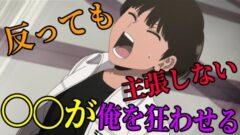
▶ Watch the original YouTube video
Why Tatsuya Kima Captivates World Trigger Fans: A Deep Character Analysis
Tatsuya Kima, a central character in the anime World Trigger, has become the subject of intense fan discussion and analysis. This article explores the psychological complexity of his character design, examining why audiences respond so diversely to his portrayal and what his arc reveals about modern anime storytelling.
What Happened
Tatsuya Kima has emerged as one of World Trigger’s most discussed characters, particularly following his expanded role in the series’ second season. Unlike conventional “strongest character” archetypes, Kima presents a complex psychological profile that defies simple categorization. Fan reactions across social media platforms reveal a spectrum of interpretations—from admiration for his tactical brilliance to criticism of his emotional distance and questionable decision-making.
Why It Matters
Kima’s character represents a significant shift in modern anime storytelling. Rather than presenting a clear-cut hero or villain, the character embodies the contemporary audience preference for morally ambiguous, psychologically complex figures. The diversity of fan responses to Kima serves as a barometer for how audiences engage with nuanced character design. His portrayal also reflects broader industry trends toward characters that challenge viewers rather than simply inspire them, making him a case study in effective character development and audience psychology.
Background
World Trigger, created by Daisuke Ashihara, centers on a team of young operatives defending Earth from interdimensional invaders called Neighbors. The series emphasizes teamwork and collective effort as core thematic elements. Tatsuya Kima, introduced prominently in Season 2, occupies a unique narrative position: he possesses overwhelming individual capability while simultaneously remaining emotionally isolated from his teammates. This tension between personal power and interpersonal disconnection forms the foundation of his character appeal.
The anime adaptation, directed by Noriaki Akitaya for Season 2, employs deliberate visual and audio techniques to emphasize Kima’s distinctiveness. Voice actor Daichi Ono delivers a restrained performance that conveys emotional suppression beneath a composed exterior, further deepening the character’s psychological complexity.
Key Points
- Overwhelming Competence with Emotional Distance: Kima demonstrates exceptional tactical judgment and combat ability, yet maintains psychological distance from colleagues, creating an internally contradictory character that resists simple evaluation.
- Thematic Opposition to Series Values: While World Trigger emphasizes teamwork, Kima’s individual excellence and isolation position him as a counterpoint to the series’ central philosophy, generating narrative and thematic tension.
- Multi-Layered Fan Response: Audience reactions span admiration for his strength, empathy for his isolation, and criticism of his detachment—indicating sophisticated character design that permits multiple valid interpretations.
- Psychological Complexity Over Moral Clarity: Unlike archetypal “strongest characters,” Kima questions the purpose of his own power, suggesting internal doubt beneath external confidence.
- Deliberate Production Choices: Directors and voice actors employ specific techniques—color grading, sound design, vocal restraint—to communicate Kima’s exceptional status and psychological depth to viewers.
- Alignment with Industry Trends: Kima exemplifies the contemporary shift toward characters whose contradictions and ambiguities generate ongoing audience discussion rather than immediate consensus.
Character Comparison Framework
| Series | Character | Similarities to Kima | Key Differences |
|---|---|---|---|
| Attack on Titan | Levi Ackerman | Overwhelming competence and emotional restraint | Levi actively mentors subordinates; Kima remains isolated despite capability |
| Jujutsu Kaisen | Gojo Satoru | Possesses unmatched power | Gojo exhibits confidence in his abilities; Kima demonstrates underlying doubt |
| Haikyuu!! | Karasuno Players | Competitive excellence | Haikyuu prioritizes collective effort; Kima’s individual strength dominates |
| Kuroko’s Basketball | Tetsuya Kuroko | Unique specialized ability | Kuroko accepts his role; Kima struggles with the implications of his |
Perspectives
The Admiration Perspective: Many viewers celebrate Kima’s tactical precision and uncompromising strength. Social media discussions frequently highlight his decisive judgment and combat superiority, with fans expressing straightforward appreciation for his character archetype.
The Empathetic Perspective: Other audiences connect with Kima’s underlying isolation and self-doubt. This interpretation emphasizes the psychological cost of exceptional ability—the loneliness inherent in surpassing one’s peers. Viewers in this camp recognize Kima’s emotional restraint as a defense mechanism rather than indifference.
The Critical Perspective: A third group questions whether Kima’s actions consistently serve the team’s interests or primarily reflect personal judgment. These viewers argue that his emotional distance may constitute a character flaw rather than a neutral trait, and debate whether his decision-making prioritizes collective welfare adequately.
The Production Intent Perspective: Series creator Ashihara has emphasized character multidimensionality in interviews, suggesting Kima’s ambiguity is intentional. However, the anime adaptation appears to emphasize emotional expressiveness more than the source material, creating potential divergence between creator vision and viewer interpretation.
Thematic Analysis: Strength and Solitude
Kima’s character embodies a central tension in contemporary storytelling: the isolation that accompanies exceptional ability. Unlike traditional hero narratives where strength enables connection and leadership, Kima’s power creates distance. This inversion of conventional heroism resonates with modern audiences who increasingly recognize that individual excellence does not automatically produce emotional fulfillment or meaningful relationships.
The character’s internal conflict—possessing the capability to protect others while questioning whether that capability serves any meaningful purpose—reflects broader existential concerns relevant to contemporary viewers. This psychological depth distinguishes Kima from simpler “overpowered character” tropes.
Industry Context and Audience Evolution
Over the past five years, anime audiences have demonstrated increasing preference for psychologically complex characters over archetypal heroes. The 2010s favored straightforward protagonists with clear objectives; current trends emphasize characters whose contradictions and ambiguities generate sustained discussion. Kima’s design aligns precisely with this evolution, positioning him as a character suited to contemporary viewer expectations.
The diversity of fan responses—spanning admiration, empathy, and criticism—indicates successful character design. When audiences cannot reach consensus about a character’s merit, it typically signals sufficient complexity to warrant continued analysis and debate. Kima generates exactly this response across fan communities.
Narrative Trajectory and Future Development
Based on source material progression, Kima appears to be entering a phase where he confronts fundamental questions about his power’s purpose. Two potential narrative directions emerge:
Integration Arc: Kima gradually recognizes how his individual strength serves collective objectives, achieving psychological growth through accepting his role within the team structure. This trajectory aligns with World Trigger’s thematic emphasis on teamwork.
Acceptance Arc: Kima acknowledges his inherent isolation while still attempting meaningful connection with others. This path represents deeper psychological maturation, accepting fundamental aspects of his nature rather than attempting to transcend them.
Historically, sophisticated narratives tend toward the second trajectory, as it permits greater psychological complexity and emotional resonance with audiences.
Recommended Viewing Approach
For viewers seeking to understand Kima’s character depth, sequential viewing of both seasons proves essential. Specific episodes merit particular attention:
- Season 1: Scenes establishing Kima’s position within Border hierarchy and his relationship with leadership figures clarify his organizational role and authority structure.
- Season 2: Episodes depicting Kima’s self-doubt and internal questioning reveal his psychological vulnerability beneath tactical competence.
Understanding Kima requires analyzing the reasoning behind his decisions rather than merely evaluating the decisions themselves. This analytical approach reveals the character’s internal logic and psychological consistency.
Fan Reception Summary
Positive Reception: Fans frequently praise Kima’s strength and tactical precision. Twitter discussions following episodes featuring Kima generate thousands of posts using character-specific hashtags, indicating substantial engagement and enthusiasm.
Ambivalent Reception: Concurrent discussions express uncertainty about Kima’s character—appreciation for his abilities coupled with discomfort regarding his emotional distance. Online forums host continuous debates about whether his actions ultimately serve team interests.
Critical Reception: Some viewers argue that Kima’s dismissal of others’ perspectives constitutes a character flaw, or that his portrayal lacks internal consistency across episodes.
This reception diversity itself validates the character’s effectiveness. When audiences cannot reach definitive judgment, it indicates the character resists simplistic categorization—a hallmark of sophisticated design.
Insights
Tatsuya Kima represents a significant evolution in anime character design, embodying the contemporary preference for psychological complexity over archetypal clarity. His character succeeds precisely because he generates sustained audience discussion rather than immediate consensus. The inability to definitively categorize him as “good” or “bad,” “hero” or “antagonist,” reflects intentional design that permits multiple valid interpretations.
The character’s appeal extends beyond simple admiration for strength. Instead, audiences engage with the psychological implications of exceptional ability—the isolation it produces, the self-doubt it generates, and the difficulty of finding meaningful purpose for overwhelming power. These themes resonate with contemporary viewers navigating a complex world where individual excellence does not guarantee fulfillment or connection.
Kima’s ongoing development will likely determine whether World Trigger ultimately presents integration (individual strength serving collective purpose) or acceptance (acknowledging fundamental isolation while still pursuing connection) as its resolution. Either trajectory promises continued psychological depth and audience engagement.
Ultimately, Kima’s significance lies not in definitive answers about his character, but in the questions his existence raises about strength, purpose, connection, and the psychological cost of exceptional ability. These questions ensure his continued relevance within both the narrative and fan discourse.