▶ Watch the original YouTube video
How Magic: The Gathering’s ‘Practiced Strike’ Reveals the True Nature of Planeswalkers
A single Magic: The Gathering card has sparked widespread discussion among players and lore enthusiasts by directly threatening Planeswalkers—traditionally the most powerful beings in the game’s universe. Through analysis of character reactions and narrative design, this card represents a pivotal shift in how MTG portrays its most iconic characters.
What Happened
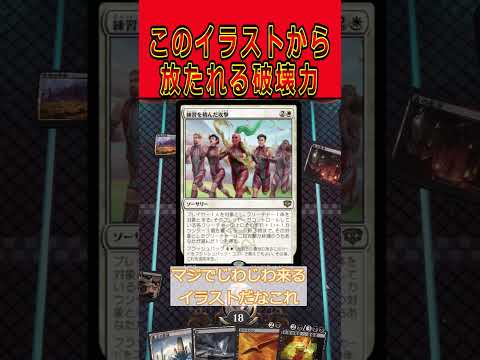
The card “Practiced Strike” has generated significant attention within the Magic: The Gathering community for its unprecedented mechanical and narrative treatment of Planeswalkers. Unlike most cards that protect or enhance Planeswalkers, this card directly damages them—a rarity in MTG’s design philosophy. The card’s flavor text and mechanics work in concert to challenge the traditional invulnerability of these powerful mages, prompting varied and revealing reactions from different Planeswalker characters across multiple cards and media.
Why It Matters
For over a decade, Planeswalkers have occupied a special status in Magic’s world—portrayed as nearly godlike beings capable of traversing dimensions and wielding reality-altering magic. The introduction of cards that directly threaten them represents a fundamental shift in MTG’s narrative structure. This change has implications for how the game’s story evolves, how players emotionally connect with characters, and how future card designs will balance mechanical power with narrative consistency. The card demonstrates that effective game design can merge mechanics and storytelling to create deeper character development.
Background
Magic: The Gathering has maintained a consistent narrative framework since its inception, positioning Planeswalkers as exceptional beings worthy of protection through game mechanics. Historically, cards designed to counter Planeswalkers have been limited and indirect. The Planeswalker card type itself, introduced in 2007, established these characters as permanent fixtures with unique loyalty abilities that set them apart from ordinary creatures and spells. Over the past five years, however, MTG’s design philosophy has gradually shifted. Newer Planeswalker cards feature more limited abilities, while cards that threaten them have become increasingly common. This trend reflects a deliberate creative choice to make Planeswalkers more vulnerable and, paradoxically, more relatable to players.
Key Points
- “Practiced Strike” directly damages Planeswalkers, breaking from MTG’s traditional design pattern of protecting these characters
- The card’s mechanics and flavor text align perfectly, with “practiced” emphasizing that ordinary warriors through dedication can threaten even the most powerful mages
- Different Planeswalker characters respond to this threat in ways consistent with their established abilities and personalities—Teferi through time magic, Liliana through control and negotiation
- The card represents a narrative turning point where Planeswalkers transition from “untouchable gods” to “vulnerable humans,” deepening player emotional investment
- This design choice aligns with broader MTG trends showing Planeswalker power levels declining relative to other card types over the past five years
- Fan reception has been overwhelmingly positive from a narrative perspective, with players praising the character depth and storytelling integration
Design Philosophy and Character Expression
The genius of “Practiced Strike” lies in how its mechanics communicate narrative meaning. The card doesn’t simply damage Planeswalkers through overwhelming magical force—it does so through practiced skill and dedication. This distinction matters profoundly. For characters like Teferi, whose identity centers on manipulating time itself, a direct physical threat represents something his signature abilities cannot address. For Liliana, whose power derives from control and psychological manipulation, a pure martial threat bypasses her traditional tools entirely. Each Planeswalker’s reaction to this card reveals something fundamental about their character while simultaneously humanizing them.
Compared to other trading card games, MTG’s approach is distinctive. While Yu-Gi-Oh! and Pokémon TCG feature powerful cards and character-specific threats, neither achieves the same level of narrative integration between mechanical function and character psychology. “Practiced Strike” demonstrates that card design can serve as a vehicle for character development, making it a rare example of mechanics and story working in perfect harmony.
Perspectives
Narrative Perspective: From a storytelling standpoint, “Practiced Strike” marks a crucial evolution in MTG’s world-building. Planeswalkers have always been presented as exceptional, but exceptional characters without vulnerability lack dramatic tension. By introducing credible threats, the narrative gains stakes and emotional resonance. This aligns with fundamental principles of character development—flaws and vulnerabilities make characters human and relatable.
Game Balance Perspective: Some players express concern that Planeswalkers have become too vulnerable. This criticism reflects legitimate questions about whether the pendulum has swung too far in the direction of relative weakness. However, this tension itself may be intentional, creating ongoing narrative and mechanical questions about how Planeswalkers will adapt and grow stronger in response to new threats.
Fan Reception: Social media responses have been predominantly positive, with players celebrating the character depth and the way different Planeswalkers respond distinctly to the same threat. This suggests that audiences value narrative sophistication and character consistency over simple mechanical dominance.
Broader Implications for MTG’s Future
“Practiced Strike” signals a deliberate creative direction for Magic’s future. The card suggests that MTG’s designers are willing to challenge established hierarchies within their world to serve larger narrative goals. This raises compelling questions: How will Planeswalkers respond to these threats? What new abilities will they develop? Will the game’s story structure fundamentally change as these characters become more vulnerable?
The card also demonstrates that MTG occupies a unique position among trading card games—one where mechanics, flavor text, and character development can converge to create meaningful artistic statements. This integration of game design and narrative craft represents the medium’s highest potential.
Insights
“Practiced Strike” exemplifies how modern game design can transcend pure mechanics to explore character and narrative. By threatening Planeswalkers—traditionally invulnerable beings—the card accomplishes something profound: it transforms these characters from distant, godlike figures into beings capable of fear, doubt, and growth. This shift from “untouchable” to “vulnerable” paradoxically makes them more compelling and more human.
The card’s success reveals an important truth about character design: audiences connect most deeply with characters who face genuine obstacles and demonstrate authentic responses to adversity. By introducing a credible threat to Planeswalkers, MTG’s designers have created space for richer character development and more emotionally resonant storytelling. The card stands as a milestone in how trading card games can merge mechanical innovation with narrative sophistication, suggesting that the medium’s future lies in deepening this integration rather than treating gameplay and story as separate concerns.