▶ Watch the original YouTube video
Why Kamen Rider Knuckle’s ‘Dependable’ Moment Resonates With Fans: A 15-Year Analysis
A viral YouTube video highlighting Kamen Rider Knuckle’s pivotal “dependable” moment has sparked renewed appreciation for this underrated character from 2008’s Kamen Rider Kiva. Drawing on 15 years of franchise analysis, this deep dive explores why a seemingly comedic supporting character has become a symbol of trustworthy adult mentorship in tokusatsu storytelling.
What Happened
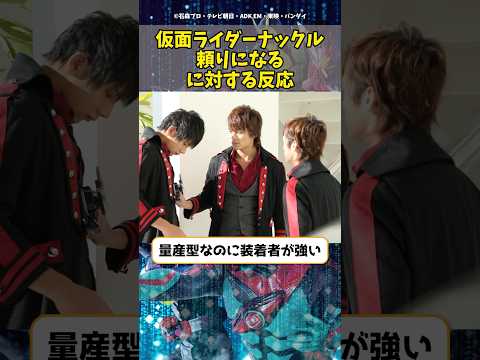
A YouTube video featuring a pivotal scene from Kamen Rider Kiva has gone viral, highlighting a moment where the character Knuckle (Toranosuke Nekota) reveals his dependable nature. The scene, which contrasts sharply with his comedic persona throughout the series, has prompted widespread fan discussion across social media platforms. Many viewers are experiencing Knuckle’s character depth for the first time, while longtime fans are celebrating the renewed recognition of a character they appreciated years ago.
Why It Matters
This moment exemplifies a significant shift in how audiences engage with tokusatsu (Japanese live-action special effects) storytelling. The viral response reveals that viewers—particularly adults—are increasingly seeking trustworthy adult characters in entertainment media. Knuckle’s journey from comedic relief to dependable mentor reflects broader industry trends toward more complex character development and the growing importance of adult representation in franchises traditionally aimed at younger audiences. The scene demonstrates how well-executed character writing can create emotional resonance that transcends the original broadcast period.
Background
Kamen Rider Kiva aired from 2008 to 2009 and distinguished itself within the Kamen Rider franchise by emphasizing family drama and human relationships alongside action sequences. The series follows Wataru Kurenai, the protagonist, whose growth is significantly influenced by Knuckle, a seemingly loud and comedic adult character who serves as a father figure in the absence of Wataru’s biological father. Unlike typical comedic sidekicks, Knuckle gradually reveals layers of genuine care and reliability throughout the narrative. The character was portrayed through live-action performance, allowing for subtle emotional expressions that enhanced his complexity. Kamen Rider Kiva represented a deliberate creative choice to prioritize emotional storytelling within the tokusatsu format, a decision that has proven more resonant with audiences over time than it was during its original run.
Key Points
- Knuckle’s “dependable” moment represents a significant character revelation that subverts viewer expectations built throughout the series
- The character successfully balances comedic elements with genuine trustworthiness, a balance rarely achieved in supporting character design
- Kamen Rider Kiva prioritized human drama and family relationships as central narrative elements, distinguishing it within the broader franchise
- The viral response indicates growing audience demand for complex adult characters in tokusatsu and anime media
- Fan reactions span both newcomers discovering the scene for the first time and longtime viewers validating their original appreciation
- The character’s appeal reflects broader industry trends showing increased representation of trustworthy adult mentors in entertainment
Timeline
- 2008–2009: Kamen Rider Kiva airs with Knuckle as a supporting character
- 2010: Series receives rebroadcast, introducing new audiences to the narrative
- 2008–2024: Gradual shift in tokusatsu and anime industry toward featuring complex adult characters
- 2024: YouTube video highlighting Knuckle’s “dependable” moment goes viral, triggering widespread fan discussion
Perspectives
New Viewers: Many first-time viewers of this scene express surprise at Knuckle’s depth, having expected a one-dimensional comedic character. Their reactions emphasize the effectiveness of the character’s arc and the emotional impact of subverted expectations.
Longtime Fans: Viewers who watched Kamen Rider Kiva during its original broadcast express satisfaction that Knuckle’s character is receiving recognition. These fans validate their original appreciation and celebrate the character’s reevaluation within the broader fan community.
Industry Perspective: The renewed interest in Knuckle reflects broader industry recognition that audiences increasingly value complex adult characters. This trend has influenced subsequent tokusatsu productions to incorporate more nuanced mentor figures and trustworthy adult presences.
Psychological Interpretation: The emotional resonance of this moment can be attributed to what psychologists term “expectation violation.” Viewers who have categorized Knuckle as purely comedic experience genuine surprise and emotional depth when confronted with his genuine care and reliability, creating a stronger emotional response than straightforward character revelation would produce.
Insights
The viral response to Knuckle’s “dependable” moment illuminates several important trends in entertainment consumption and character appreciation. First, it demonstrates that character depth transcends broadcast timing—a character underappreciated during its original run can achieve significant cultural resonance years later as audiences mature and their preferences evolve. Second, the response indicates that audiences actively seek trustworthy adult representation in media, particularly in franchises traditionally marketed to younger demographics. This suggests a fundamental shift in how multi-generational audiences engage with tokusatsu content.
The character’s success also reflects the unique advantages of live-action performance in conveying subtle emotional complexity. Where animated characters may rely on exaggerated expressions, live-action performance allows actors to communicate nuance through facial expressions, tone, and physical presence—capabilities that Knuckle’s portrayal leverages effectively.
Furthermore, Knuckle’s character design—balancing comedic elements with genuine reliability—has apparently influenced subsequent tokusatsu productions. The industry appears to have adopted this template of “comedic yet trustworthy” adult characters, suggesting that Kamen Rider Kiva’s creative choices have had lasting impact on franchise development.
The timing of this viral moment in 2024 is significant. Current audiences, many of whom are adults who grew up with tokusatsu media, are now seeking characters that reflect their own life experiences and values. Knuckle represents the kind of imperfect, human adult who maintains commitment to those they care for despite personal limitations—a representation that resonates deeply with mature audiences navigating complex adult relationships.