▶ Watch the original YouTube video
Nijisanji’s Mario Kart Cup featured elaborate player introductions with distinctive epithets and dramatic presentations that sparked significant online discussion. The event demonstrates how VTuber organizations strategically construct character identities and manipulate viewer expectations through carefully orchestrated theatrical elements.
What Happened
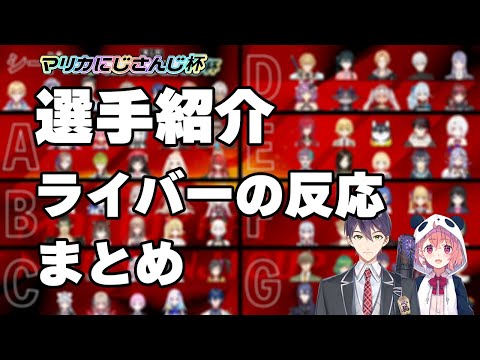
The Nijisanji Mario Kart Cup featured an elaborate player introduction segment where each participating VTuber streamer received a distinctive epithet or title. These introductions were presented with dramatic flair and theatrical elements, accompanied by preambles designed to build anticipation. The reactions from streamers to their assigned epithets—ranging from acceptance to humorous rejection—became a major talking point within the VTuber community and generated substantial online engagement.
Why It Matters
This event illustrates a significant evolution in how the VTuber industry constructs and presents character identities. Rather than treating player introductions as mere informational segments, Nijisanji elevated them to the status of character theater, blending entertainment value with psychological manipulation of viewer expectations. This approach reveals how modern digital entertainment leverages character strategy to deepen audience engagement and foster community discussion. The success of this format suggests a broader industry shift toward treating large-scale events as character performance showcases rather than simple gaming broadcasts.
Background
VTubers are digital content creators who use animated avatars to stream gameplay, perform music, and engage with audiences. Nijisanji is one of the largest VTuber agencies, managing dozens of streamers with distinct character identities. Large-scale competitive events like the Mario Kart Cup serve as opportunities for these agencies to showcase their talent while experimenting with new presentation formats. The player introduction segment has become increasingly important as a tool for character development and audience engagement in recent years.
The concept of assigning epithets or titles to characters is not new to entertainment media. Anime, games, and traditional sports broadcasting have long used such designations to establish character roles and viewer expectations. However, the VTuber industry’s application of this technique differs in that it combines official character designations with real-time streamer reactions, creating a dynamic interplay between predetermined narrative and authentic individual response.
Key Points
- Each Nijisanji Mario Kart Cup participant received a distinctive epithet that characterized their role or personality in the competition
- The player introduction format emphasized theatrical presentation and dramatic preambles to heighten viewer anticipation and engagement
- Streamer reactions to their assigned epithets varied significantly, from enthusiastic acceptance to humorous rejection, adding layers of character complexity
- The gap between official character designations and individual streamer interpretations creates entertainment value and community discussion
- Large-scale VTuber events increasingly function as character performance showcases rather than purely competitive gaming broadcasts
- The format demonstrates how modern digital entertainment uses psychological triggers—such as naming and role assignment—to strengthen viewer-character emotional bonds
Perspectives
Character Construction and Viewer Psychology: The epithets assigned to players function as psychological anchors that shape viewer expectations and interpretations. By providing a concise label for each streamer’s role, the introductions create a framework through which audiences understand and predict gameplay outcomes. When actual performance diverges from these expectations, viewers experience a dual satisfaction: surprise at the unexpected result and discovery of character depth.
Theatrical Enhancement of Gaming Events: Unlike traditional esports broadcasts that prioritize straightforward information delivery, the Nijisanji approach emphasizes dramatic presentation. This theatrical framing transforms a functional segment into entertainment content itself. The exaggerated presentation style becomes part of the appeal, similar to how anime and entertainment media use stylistic excess as a form of humor and engagement.
Community Activation Through Ambiguity: The variance in streamer reactions to their epithets creates interpretive space for audience discussion. Viewers debate whether reactions are genuine or performative, whether epithets accurately represent the streamers, and what these responses reveal about individual character identities. This ambiguity drives community engagement and extends the event’s cultural impact beyond the broadcast itself.
Evolution of VTuber Industry Standards: The success of this introduction format suggests a broader industry trend toward treating large events as character-focused performances. Nijisanji’s approach differs from competing organizations that maintain more formal presentation styles, reflecting distinct organizational cultures and audience expectations within the VTuber ecosystem.
Comparative Analysis
| Event | Introduction Format | Theatrical Elements | Humor Level | Audience Response |
|---|---|---|---|---|
| Nijisanji Mario Kart Cup | Epithet-based characterization | High | High | Very High |
| Uma Musume Anime | Performance history + character fusion | Moderate | Moderate | High |
| Hololive Large-Scale Events | Formal presentation | Low | Low to Moderate | High |
This comparison reveals that Nijisanji’s approach prioritizes theatrical presentation and humor, distinguishing it from competitors who maintain more formal structures. This stylistic choice appears directly correlated with higher audience engagement and discussion.
Fan Psychology and Engagement
The epithets assigned to players trigger psychological mechanisms that deepen audience investment. Naming and labeling create emotional bonds between viewers and characters, a principle well-established in entertainment psychology. When audiences assign or receive names for entities, they develop stronger emotional connections and investment in those entities’ outcomes.
The diversity of streamer reactions to their epithets serves as a catalyst for community discourse. Viewers analyze whether reactions reflect genuine self-perception or performative responses, generating discussions that extend the event’s cultural relevance. This interpretive space transforms passive viewership into active community participation.
The gap between official character designations and individual streamer self-perception mirrors established narrative techniques in character-driven entertainment. This tension between external definition and internal identity creates the psychological depth that audiences find compelling.
Insights
The Nijisanji Mario Kart Cup player introductions represent a significant evolution in how digital entertainment organizations present competitive events. Rather than treating introductions as functional information delivery, Nijisanji elevated them to character performance showcases, demonstrating sophisticated understanding of audience psychology and engagement mechanics.
This approach reflects broader industry trends toward treating VTuber events as theatrical performances rather than pure gaming broadcasts. The success of this format suggests that audiences increasingly value character-focused entertainment within competitive contexts, blending narrative and gameplay into unified entertainment experiences.
The strategic use of epithets, dramatic preambles, and varied streamer reactions creates multiple layers of engagement: immediate entertainment value, character development, community discussion, and interpretive space for audience participation. This multifaceted approach demonstrates how modern digital entertainment leverages psychological principles to maximize engagement and cultural impact.
Looking forward, this format’s success suggests that VTuber organizations will continue refining character-focused event presentations. The potential for expanded narrative complexity—such as epithet continuity across multiple events—indicates further evolution in how the industry constructs and presents digital character identities.