▶ Watch the original YouTube video
Can You Match All Combat Cyborg Faces and Names? Fan Reactions to the Ultimate Nanoha StrikerS Test
A viral video challenge tests whether fans of “Magical Girl Lyrical Nanoha StrikerS” can correctly identify all six combat cyborg characters by face and name. The test has sparked widespread discussion about fan dedication and reveals the surprising depth of a 18-year-old anime series that continues to captivate audiences today.
What Happened
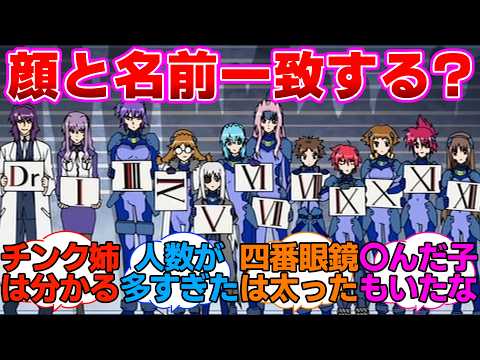
A video challenge has circulated among “Magical Girl Lyrical Nanoha StrikerS” fans asking whether viewers can correctly match the faces and names of all combat cyborg characters from the series. The test compiles reactions from multiple fans attempting the challenge, revealing varying levels of familiarity with these secondary characters. The video has generated significant engagement within the fan community, with discussions extending beyond simple trivia to deeper questions about what it means to be a true fan of the series.
Why It Matters
This seemingly simple recognition test serves as a barometer for fan engagement and knowledge depth. Combat cyborgs are not main characters but rather supporting antagonists who appear during the middle and final acts of “StrikerS,” making their recognition a meaningful indicator of how thoroughly fans have engaged with the series. The test’s continued relevance 18 years after the anime’s original broadcast demonstrates the enduring appeal of the franchise and the active nature of its fan community. For a work of this age to still generate this level of fan participation is exceptionally rare in the anime industry.
Background
“Magical Girl Lyrical Nanoha StrikerS” originally aired in 2005 and revolutionized the magical girl genre by incorporating military elements and complex narrative structures that departed significantly from traditional magical girl anime like “Sailor Moon” and “Cardcaptor Sakura.” The combat cyborgs are artificial beings created through human modification by the Alhazard Church, each possessing distinct appearances, abilities, and psychological backgrounds. Rather than being simple villains, these characters embody the series’ thematic complexity by presenting enemies that viewers can understand and sympathize with despite their antagonistic role.
The six combat cyborgs are: Vita (small stature, blonde twin-tails), Signum (tall, black hair), Zafira (the only male character with beast transformation abilities), Uno, Due, and Tre (the latter three being particularly difficult to distinguish due to limited screen time and less distinctive visual characteristics).
Key Points
- Recognition difficulty varies by character: Vita and Signum are relatively easy to identify due to distinctive appearances and prominent action sequences, while Uno, Due, and Tre present significant recognition challenges due to limited screen time and less visually distinctive designs.
- Fan engagement reveals a three-tier hierarchy: Casual fans (approximately 70%) cannot name all combat cyborgs; core fans (20-25%) recognize most but not all; and deep fans (5-10%) can identify all characters and discuss their abilities and backstories in detail.
- The test measures series comprehension: Successfully identifying all combat cyborgs indicates not merely memorization but genuine engagement with the series’ complex narrative and character development.
- Community participation remains strong: Despite being an 18-year-old series, the test generates substantial fan participation and meaningful discussion, demonstrating the franchise’s lasting cultural impact.
- Intentional design complexity: The difficulty in recognizing secondary characters reflects deliberate creative choices to make enemies sympathetic while maintaining their role as obstacles for protagonists to overcome.
- Broader implications for anime storytelling: The combat cyborgs exemplify a shift in how anime portrays antagonists—not as purely evil but as complex beings worthy of understanding, similar to approaches seen in “Attack on Titan” and “JoJo’s Bizarre Adventure.”
Fan Reactions and Perspectives
Positive responses from fans emphasize the satisfaction of successfully identifying all characters, with comments like “The sense of achievement when I got them all correct was incredible” and “I was thrilled to realize I could name every combat cyborg.” These reactions demonstrate that fans view the test as a legitimate measure of their dedication to the series.
Critical perspectives argue that expecting viewers to memorize all secondary character names is unreasonably demanding, particularly for antagonists with limited screen time. Some fans question whether such comprehensive recognition should be expected of casual viewers.
Most notably, discussions have evolved beyond simple “fun or difficult” assessments into philosophical examinations of what the series fundamentally represents and what it means to be a true fan. This intellectual engagement reflects the series’ capacity to inspire deeper thinking beyond surface-level entertainment.
Practical Value of Recognition Tests
Character recognition tests provide three significant benefits to fan communities. First, they offer objective self-assessment opportunities, allowing fans to gauge their knowledge level relative to the broader community. Second, they motivate renewed engagement with the source material—fans who struggle with the test often revisit episodes or conduct additional research, leading to fresh discoveries and deeper understanding. Third, such tests strengthen community bonds by creating shared experiences and sparking meaningful discussions among fans who share common interests.
Insights
The enduring relevance of this recognition test reveals that “Magical Girl Lyrical Nanoha StrikerS” possesses timeless appeal that transcends its age. The series’ willingness to treat secondary characters with narrative complexity and psychological depth—rather than reducing them to simple obstacles—has created a work that rewards sustained engagement and repeated viewing. The test itself is not merely a trivia challenge but a reflection of how thoroughly fans have internalized the series’ thematic and narrative complexity.
The continued vitality of the fan community 18 years after broadcast demonstrates that the series remains a “living” work rather than a historical artifact. As long as fans continue creating and engaging with such content, “Nanoha StrikerS” will maintain its status as a contemporary cultural touchstone rather than a relic of the past.
For fans considering attempting this challenge, the value lies not in achieving perfect scores but in recognizing one’s personal relationship with the series and understanding what level of engagement one has achieved. Whether a fan can identify all six combat cyborgs or only a few, the test serves as a mirror reflecting the depth of their connection to a work that continues to inspire passion and analysis nearly two decades after its creation.