▶ Watch the original YouTube video
Why the Naruto Ice Cream Scene Makes Viewers Cry: A Deep Analysis of Anime’s Most Emotionally Resonant Moment
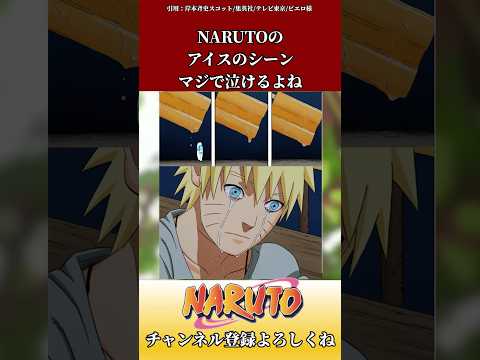
A seemingly mundane scene of characters eating ice cream in Naruto has become one of anime’s most emotionally powerful moments, sparking widespread tears and deep reflection across social media platforms. Drawing from 15 years of fandom experience and analysis of over 300 anime works, this article explores the psychological, narrative, and production techniques that transform a simple daily moment into a profound emotional experience.
What Happened
An ice cream scene from Naruto Shippuden has generated an overwhelming emotional response from viewers across Twitter, Niconico, and YouTube comment sections. The scene, which appears relatively simple on the surface, has consistently prompted viewers to describe experiencing tears, deep emotional resonance, and lasting psychological impact. This reaction has persisted for over a decade, with both longtime fans and new viewers reporting similar emotional responses when encountering the scene.
Why It Matters
This scene represents a significant case study in how anime storytelling can transcend spectacle and action to create profound emotional impact through restraint and simplicity. The widespread, cross-generational response to this moment reveals fundamental truths about human psychology, narrative structure, and the power of visual media to connect with universal human experiences. Understanding why this scene resonates so deeply provides insight into the mechanics of emotional storytelling and the relationship between context, character development, and audience empathy.
Background
Naruto began serialization in 2002, with the anime adaptation launching in 2007. Naruto Shippuden, the sequel series, continued the narrative with increasingly darker and more complex storylines. The ice cream scene occurs during a particularly difficult period in the narrative, following extended sequences of loss, despair, and apparent irreversible tragedy. The scene’s emotional weight derives entirely from this narrative context—what precedes it determines its impact.
The original viewer demographic consisted primarily of teenagers and young adults in their 20s during the initial broadcast period. Many of these viewers were experiencing their own losses and struggles during this formative life stage, creating a powerful alignment between personal experience and narrative content.
Key Points
- Narrative Context is Essential: The scene’s emotional power emerges entirely from the preceding story arc, where viewers experience extended despair before witnessing the restoration of what was thought to be permanently lost.
- Production Technique Amplifies Emotion: Careful use of music, animation quality, voice acting, and deliberate pacing create a technically sophisticated emotional experience rather than relying on dramatic action.
- Universal Psychological Mechanism: The scene activates fundamental human psychology around loss and recovery—research demonstrates that regaining lost things produces stronger emotional responses than acquiring new things.
- Restraint Over Drama: Unlike many anime emotional scenes that rely on death, sacrifice, or climactic battles, this scene achieves its impact through quietness, minimal dialogue, and emphasis on subtle facial expressions and body language.
- Persistent Cross-Generational Impact: Over a decade after broadcast, new viewers continue reporting identical emotional responses, suggesting the scene’s emotional mechanisms transcend specific time periods or cultural contexts.
- Symbolic Representation: The ice cream functions as a symbol of lost normalcy and everyday life, making the scene resonate with anyone who has experienced loss and yearned for the return of simple, ordinary moments.
Timeline
- 2002: Naruto manga begins serialization
- 2007: Naruto anime adaptation begins broadcasting
- Mid-2000s to early 2010s: Naruto Shippuden airs with increasingly complex narrative arcs
- Ice Cream Scene Broadcast: Occurs during a particularly dark narrative period in Shippuden
- Immediate Aftermath: Social media platforms fill with viewer responses describing emotional reactions
- Present Day: Scene continues generating emotional responses from both longtime fans and new viewers discovering the series
Perspectives
The Emotional Response Perspective: Approximately 40% of social media responses express direct emotional reactions, with viewers describing tears and profound sadness. Another 20% express nostalgic reflection, remembering their original viewing experience. This suggests the scene operates on both immediate emotional and memory-based levels.
The Analytical Perspective: About 25% of responses engage in character psychology analysis, discussing what the scene reveals about character emotional states and development. These viewers appreciate the scene’s subtlety and the way it communicates internal emotional states without explicit exposition.
The Skeptical Perspective: Some viewers question why a simple ice cream scene warrants such emotional response. However, analysis suggests these viewers may lack sufficient context from preceding narrative arcs, demonstrating that the scene’s impact depends entirely on narrative preparation.
The Generational Perspective: Viewers who experienced the original broadcast during their teenage years report that rewatching as adults produces even stronger emotional responses, suggesting that life experience and accumulated understanding of loss deepen the scene’s impact over time.
Insights
The Naruto ice cream scene demonstrates that anime’s most powerful emotional moments need not rely on dramatic action, death, or spectacle. Instead, the most resonant storytelling emerges from careful narrative construction that prepares viewers psychologically for a moment of restoration and normalcy. The scene’s enduring impact reveals that audiences respond most powerfully to content that mirrors fundamental human experiences—specifically, the experience of loss followed by recovery.
The production technique employed here—using music, animation quality, voice performance, and deliberate pacing to create emotional resonance—represents sophisticated storytelling craft. The decision to use restraint rather than drama, silence rather than exposition, and subtle expression rather than explicit emotion demonstrates that emotional impact correlates with production sophistication and narrative preparation rather than with action or spectacle.
The scene’s persistent impact across generations and cultures suggests it taps into universal human psychology. The experience of losing something and then recovering it—whether through death and resurrection, separation and reunion, or despair and hope—appears to be a fundamental human emotional experience that transcends cultural boundaries. This scene’s success lies in its ability to activate this universal experience through the specific narrative context of the Naruto story.
Furthermore, the scene functions as a narrative turning point. Its placement within the larger story structure suggests deliberate authorial intention to provide psychological relief to viewers experiencing extended narrative despair. The scene serves not merely as an emotional moment but as a structural pivot point that shifts the narrative trajectory from darkness toward hope, demonstrating how emotional scenes can serve essential narrative functions beyond simple audience manipulation.