▶ Watch the original YouTube video
Zeon Achs and Char: How the Internet Reacted to Gundam’s Most Controversial Pairing
A hypothetical scenario pairing Char Aznable with the Zeon Achs mobile suit—a machine that physically restrains its pilot’s dangerous impulses—has captivated Gundam fans online. The combination raises profound questions about control, redemption, and whether the franchise’s most complex character can finally find salvation through forced partnership with an AI-equipped machine.
What Happened
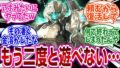
A new hypothetical scenario has emerged within the Gundam community featuring Char Aznable piloting the Zeon Achs, a mobile suit with unprecedented capabilities. Unlike conventional machines, the Zeon Achs is designed to physically intervene in its pilot’s decision-making process—restraining dangerous impulses through direct physical intervention within the cockpit, including physical combat and submission techniques. The scenario has generated significant online discussion, with fans debating the implications of pairing the franchise’s most independent and ideologically driven character with a machine that fundamentally restricts his autonomy.
Why It Matters
Char Aznable stands as one of anime’s most compelling and tragic figures. His entire character arc has been defined by unwavering self-determination and ideological conviction, yet these same qualities have consistently led to catastrophic outcomes. The Zeon Achs scenario presents a philosophical inversion: what if the character who has always rejected external control was forced into a partnership with a machine that embodies nothing but control? This raises fundamental questions about redemption, trust, and whether a character’s defining traits can be recontextualized as salvation rather than damnation. For longtime Gundam fans, this scenario addresses a persistent question: could Char have been saved?
Background
Char Aznable’s relationship with his mobile suits has always been central to his character development. From the Zaku to the Gelgoog to the Sazabi, each machine has reflected his psychological state and ambitions. His piloting ability is legendary—he is widely considered humanity’s greatest mobile suit pilot. However, his uncompromising independence and conviction in his own judgment have repeatedly led to disaster. In Mobile Suit Gundam: Char’s Counterattack, his plan to drop an asteroid on Earth to “reset” human civilization demonstrates the danger of his unchecked autonomy. The Zeon Achs represents a direct contradiction to everything Char has been: a machine that refuses to allow its pilot complete control.
The Zeon Achs itself is described as possessing an “external parental circuit”—a system that reads the pilot’s thoughts and physically prevents dangerous decisions. This is fundamentally different from previous Gundam mobile suits, which either enhanced their pilots’ capabilities or, in rare cases, influenced their psychology. The Zeon Achs actively restrains and corrects its pilot through physical force.
Key Points
- The Zeon Achs’s Unique Design: Unlike any previous mobile suit, it features the ability to physically restrain its pilot, read dangerous thought patterns, and forcibly correct decisions through direct intervention—described by fans as an “external parental circuit.”
- Char’s Character Contradiction: Pairing history’s most independent pilot with a machine that enforces complete control creates a fundamental philosophical conflict that defines the scenario’s appeal.
- A New Combat Dynamic: The scenario presents an unprecedented fighting style where pilot and machine are in constant internal conflict while simultaneously achieving maximum combat effectiveness—a paradox that challenges traditional Gundam logic.
- Thematic Redemption: The pairing offers a potential answer to the long-standing fan question of whether Char could have been saved, suggesting that external constraint might provide the salvation his character never found through his own choices.
- Trust and Isolation: For the first time, Char would experience reliance on another entity, breaking the isolation that has defined his entire existence and potentially reshaping his fundamental character.
- Control Versus Freedom: The scenario explores the paradox that restricting Char’s autonomy might paradoxically grant him a form of freedom—freedom from the burden of absolute self-determination.
Fan Reactions and Online Response
Internet responses to the Zeon Achs scenario reveal a complex mixture of excitement and philosophical uncertainty. Multiple commenters expressed immediate enthusiasm for the pairing of the strongest pilot with the strongest machine, with phrases like “this will definitely make me shout” and “he’s the strongest after all” reflecting the traditional appeal of ultimate power combinations.
However, the physical restraint aspect generated more nuanced reactions. The “external parental circuit” comment emerged as particularly insightful, capturing both humor and a deeper unease about Char being transformed into a controlled entity. This reflects a fundamental tension in the fanbase: Char’s independence is simultaneously his greatest strength and his greatest flaw.
One particularly thoughtful comment suggested that “Char would likely avoid dangerous actions out of consideration for Lara,” indicating that fans recognize the scenario’s potential to introduce emotional bonds that could reshape Char’s decision-making. Another observation—”Char might pursue a way to survive without being killed by Char”—hints at a darker interpretation: that the Zeon Achs might represent Char’s only path to survival, making it not merely a restraint but a lifeline.
The overall sentiment suggests that fans are not simply excited about combat power, but deeply invested in exploring what happens when Char’s fundamental character trait—absolute autonomy—is forcibly removed. This indicates a sophisticated understanding of the character and a genuine desire to explore alternative narratives for his redemption.
Comparative Analysis: Pilot-Machine Relationships in Gundam
The Zeon Achs scenario represents an evolution in how Gundam explores the relationship between pilot and machine. Previous iterations have followed predictable patterns:
| Series | Pilot | Mobile Suit | Relationship Type | Outcome |
|---|---|---|---|---|
| Mobile Suit Gundam | Amuro Ray | RX-78 Gundam | Growth and Resonance | Ultimate Bond |
| Mobile Suit Gundam Z | Kamille Bidan | PMX000 Messala | Psychic Domination | Mental Breakdown |
| Mobile Suit Gundam ZZ | Judau Ashta | PMX000 Messala | Emotional Resonance | Machine Rampage |
| Zeon Achs Scenario | Char Aznable | Zeon Achs | Forced Control and Mutual Compensation | Maximum Power Through Internal Conflict |
The Zeon Achs breaks the established pattern. Traditional Gundam pairings result in either perfect unity or catastrophic failure. The Zeon Achs scenario proposes something unprecedented: maximum combat effectiveness achieved through permanent internal opposition. This represents a fundamental reconceptualization of what a pilot-machine relationship can be.
Thematic Implications
The Paradox of Control as Liberation
Char’s entire existence has been defined by the burden of absolute self-determination. He trusts no one and relies entirely on his own judgment. This independence made him legendary but also tragic. The Zeon Achs scenario suggests a counterintuitive possibility: that removing Char’s autonomy might paradoxically free him from the crushing weight of absolute responsibility. For the first time, his decisions would not rest solely on his shoulders. This represents a form of salvation through constraint—a redemption arc that inverts traditional narrative logic.
Trust as Physical Reality
Char has never truly trusted anyone. His relationships have always been instrumental or ideological rather than genuinely interpersonal. The Zeon Achs forces him into a relationship of absolute interdependence. The machine’s physical interventions are not merely mechanical corrections but could be interpreted as a form of care—a machine that literally will not allow its pilot to self-destruct. This transforms the concept of trust from an emotional abstraction into a physical, undeniable reality.
The Strongest Pilot Meets His Match
In traditional Gundam narratives, the strongest pilot paired with the strongest machine becomes unstoppable. The Zeon Achs inverts this formula: the strongest pilot paired with a machine designed to restrain him creates a dynamic where power is achieved not through perfect unity but through productive conflict. This suggests that true strength might not lie in the absence of opposition but in the ability to function effectively despite it.
Broader Significance for the Gundam Franchise
The Zeon Achs scenario addresses a persistent gap in Gundam storytelling. For decades, fans have wondered whether Char’s tragic arc was inevitable or whether alternative paths existed. This hypothetical scenario suggests that redemption was theoretically possible—not through Char’s own choices, but through external intervention that he would initially resist but eventually depend upon.
More broadly, the scenario explores how the franchise might evolve its treatment of character relationships. Rather than seeking perfect harmony between pilot and machine, the Zeon Achs demonstrates that productive tension and mutual restraint might generate equally compelling narratives. This opens new possibilities for how future Gundam stories could explore the psychological dimensions of piloting.
The online response indicates that modern Gundam fans are sophisticated enough to appreciate narratives that reject simple power fantasies in favor of complex psychological exploration. The excitement surrounding the Zeon Achs is not primarily about combat capability but about the philosophical and emotional implications of Char’s forced partnership with a machine that refuses to let him be himself.
Conclusion
The Zeon Achs and Char Aznable pairing represents more than a hypothetical power combination. It addresses fundamental questions about autonomy, redemption, and the nature of relationships. By forcing Gundam’s most independent character into partnership with a machine designed to constrain him, the scenario creates a space where Char’s defining traits become both his greatest challenge and his potential salvation. The enthusiastic online response suggests that fans recognize this scenario not as a simple “what if” but as a genuine exploration of whether one of anime’s most tragic characters could have found a different path. Whether through physical restraint, forced interdependence, or the simple act of being prevented from self-destruction, the Zeon Achs offers Char something he has never had: the possibility of being saved despite himself.