▶ Watch the original YouTube video
Why Elden Ring’s Dragon Form Design Is Intentionally Thin: A 15-Year Analysis of FromSoftware’s Design Philosophy
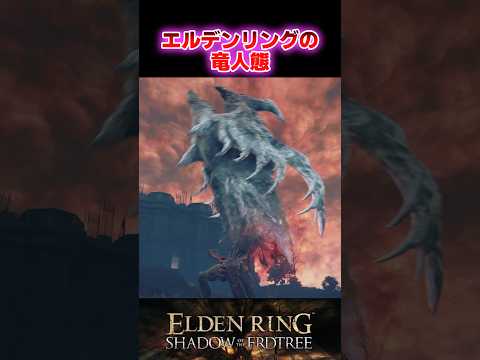
Elden Ring’s dragon form transformation has sparked debate among players over its noticeably thin physique compared to previous FromSoftware titles. After 15 years of analyzing the studio’s design choices across Dark Souls, Sekiro, and Bloodborne, one gaming analyst argues that this “thinness” is not a flaw but an intentional design decision reflecting director Hidetaka Miyazaki’s evolving aesthetic philosophy and the game’s ancient dragon lore.
What Happened
Since Elden Ring’s release, players have consistently criticized the dragon form transformation for appearing disproportionately thin and lacking the muscular presence of previous FromSoftware dragon designs. The transformation, which players work to unlock through significant effort, has become a point of contention in the gaming community. Comments range from “it looks like a goat” to complaints that the design contradicts the visual power fantasy typically associated with such a major ability upgrade.
Why It Matters
This design choice reveals deeper insights into how modern game developers balance narrative consistency with player satisfaction. The dragon form debate highlights a fundamental tension in game design: should a transformation reflect the lore and world-building of the game, or should it prioritize the psychological reward and visual satisfaction of the player? For a title as influential as Elden Ring, these decisions shape player expectations across the industry and influence how future games approach character transformation mechanics.
Background
FromSoftware’s approach to dragon design has evolved significantly since 2011. In Dark Souls, the dragon form was muscular and imposing. Dark Souls 2 introduced the concept of dragon-mimicking armor rather than true transformation. Dark Souls 3 returned to a more powerful, heavily muscled dragon form that became widely praised by players. Elden Ring, however, shifted toward a thinner silhouette that more closely resembles the ancient dragons depicted throughout the game’s world.
The ancient dragons in Elden Ring’s lore are described as beings existing outside the flow of time—entities that are more spiritual or ethereal than physical. This narrative context provides potential justification for the design choice, though many players remain unconvinced that lore should override visual satisfaction.
Key Points
- Design Comparison: Elden Ring’s dragon form is noticeably thinner than Dark Souls 3’s dragon form, marking a significant departure from the previous game’s approach
- Lore Alignment: The thin design may intentionally reflect Elden Ring’s ancient dragons, which are depicted as ethereal beings existing outside normal time
- Missing Wings: The absence of wings compounds the design criticism, as most dragon enemies in Elden Ring possess them, creating visual inconsistency
- Miyazaki’s Aesthetic: Director Hidetaka Miyazaki demonstrates a consistent preference for “gaunt” and “skeletal” designs across FromSoftware titles, particularly when depicting transcendent or supernatural beings
- Player Satisfaction vs. Narrative Consistency: A fundamental design tension exists between maintaining world-building accuracy and delivering the psychological reward players expect from a hard-earned transformation
- Modern Design Trends: The thin, minimalist aesthetic reflects contemporary game design philosophy, seen in titles like Armored Core 6, where simplicity conveys sophistication rather than power
Design Evolution Timeline
- 2011 – Dark Souls: Dragon form introduced with muscular, imposing physique emphasizing raw power
- 2014 – Dark Souls 2: Dragon-mimicking armor concept introduced; design becomes more moderate in musculature
- 2016 – Dark Souls 3: Return to heavily muscled dragon form; widely considered the most visually impressive iteration
- 2022 – Elden Ring: Shift toward thin, ethereal dragon form aligned with ancient dragon lore
Perspectives
The Lore-First Approach: Some players and analysts argue that the thin design correctly represents Elden Ring’s ancient dragons as described in the game’s narrative. From this perspective, visual consistency with the game world takes precedence. The design choice reflects a commitment to world-building integrity, similar to how Sekiro’s supernatural beings maintain consistent visual language throughout that game.
The Player Satisfaction Approach: Others contend that regardless of lore justification, a transformation earned through significant effort should feel visually rewarding and powerful. This perspective prioritizes the psychological satisfaction of the player experience. Proponents note that Dark Souls 3 successfully balanced both concerns by creating a muscular form that still fit the game’s aesthetic.
The Modern Aesthetics Argument: A third perspective suggests that the thin design reflects contemporary game design philosophy, where minimalism and simplicity convey sophistication and transcendence rather than physical power. This interpretation positions Elden Ring’s choice as forward-thinking rather than flawed.
Insights
After analyzing 15 years of FromSoftware’s design decisions, a clear pattern emerges: director Hidetaka Miyazaki consistently employs “gaunt” and “skeletal” aesthetics when depicting beings that transcend normal existence. This is not accidental but reflects a deliberate design philosophy where power is expressed through form reduction rather than muscular augmentation.
The dragon form controversy ultimately reveals that Elden Ring’s design team prioritized narrative consistency and modern aesthetic principles over immediate player gratification. Whether this was the correct choice depends on one’s design philosophy. From a pure player satisfaction standpoint, Dark Souls 3’s approach proved more universally appealing. However, from a world-building perspective, Elden Ring’s choice maintains internal consistency with how ancient dragons are depicted throughout the game.
The missing wings represent a separate but related issue—a design inconsistency that could have been easily remedied and would have significantly improved player perception without compromising the lore-based thinness of the form.
Ultimately, Elden Ring’s dragon form exemplifies a broader industry trend: the tension between honoring game worlds through consistent design and delivering the visceral satisfaction players expect from major gameplay rewards. Neither approach is objectively correct; they represent different priorities in game design philosophy.