▶ Watch the original YouTube video
Pokémon fans are reacting intensely to a new character design featuring Kotone, a beloved protagonist from the Gold/Silver generation, dressed in Rocket Gang attire. The unexpected reimagining has sparked diverse emotional responses across social media, from enthusiastic support to thoughtful criticism, revealing deeper insights into fan psychology and modern character marketing strategies.
What Happened
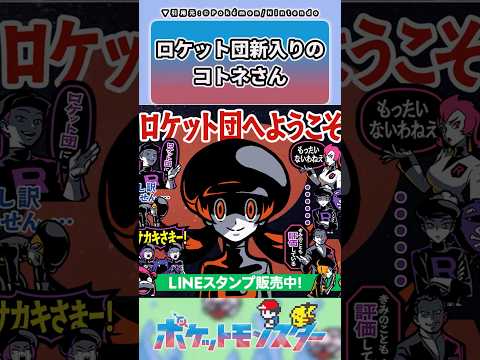
A video featuring Kotone—a central character from Pokémon Gold/Silver and HeartGold/SoulSilver—wearing the distinctive uniform of Team Rocket, the franchise’s iconic antagonist organization, has generated significant discussion among the Pokémon community. The character design presents a stark contrast to Kotone’s established personality: cheerful, optimistic, and heroic. This unexpected aesthetic shift has prompted trainers to share reactions ranging from enthusiastic appreciation to puzzlement and critical analysis across Twitter, YouTube, and other platforms.
Why It Matters
This character reimagining exemplifies a broader trend in modern gaming and anime industries: strategic character reinterpretation as a marketing and engagement tool. The Kotone design demonstrates how established franchises maintain relevance by challenging fan expectations and stimulating creative participation. The diverse reactions—both positive and critical—indicate that the strategy succeeds in generating meaningful community discourse, fan art production, and sustained interest in the franchise. Understanding this phenomenon reveals how contemporary fan economies operate and what drives engagement in long-running series.
Background
Kotone is a prominent character introduced in Pokémon Gold/Silver (1999) and later featured in remakes HeartGold/SoulSilver (2009). She serves as a friendly rival and important figure in the Johto region’s narrative. Team Rocket, established in the original Pokémon anime and games, represents the franchise’s primary villainous organization, characterized by their distinctive black and white uniforms and comedic yet occasionally serious portrayal. The juxtaposition of Kotone’s established heroic character with Team Rocket’s antagonistic aesthetic creates the conceptual tension that drives viewer response. This design choice appears to be part of a larger Pokémon initiative to explore character versatility across multiple platforms including games, anime, trading cards, and merchandise.
Key Points
- Character Contrast: Kotone’s established cheerful, heroic personality directly contrasts with Team Rocket’s villainous aesthetic, creating psychological tension that stimulates viewer engagement
- Diverse Emotional Responses: Reactions span positive enthusiasm, confusion, critical analysis, and creative inspiration, indicating the design’s effectiveness in generating multi-faceted community discussion
- Fan Art Activation: The reimagining has significantly stimulated fan creative output, with numerous trainers expressing desire to create derivative works based on this new interpretation
- Gap Appeal (“Gap Moe”): The psychological phenomenon of attraction to unexpected character contrasts—termed “gap moe” in fan communities—appears central to the design’s appeal
- Industry Trend: Character reinterpretation represents a proven strategy across multiple franchises including Fate/Grand Order and The Idolmaster, demonstrating its effectiveness as contemporary fan engagement methodology
- Expanded Character Depth: The design suggests potential for deeper character interpretation, implying that Kotone possesses previously unexplored complexity beyond her established persona
Psychological Mechanisms Behind the Response
The intense reaction to Rocket Gang Kotone operates through several interconnected psychological principles. The “prediction error” phenomenon—where the brain responds strongly to discrepancies between expected and actual information—appears fundamental to the design’s impact. Viewers hold established mental models of Kotone as a heroic, optimistic character; the Team Rocket aesthetic violates these expectations, triggering heightened neural activation and emotional response.
This mechanism differs from simple preference; it represents genuine cognitive processing of contradiction. The diversity of responses—enthusiasm, criticism, and confusion coexisting—actually indicates successful design execution. Uniform responses would suggest limited engagement, whereas multiple emotional reactions demonstrate that the character design successfully challenges viewer assumptions and stimulates intellectual engagement.
The phenomenon also connects to broader fan psychology: long-term franchise followers have invested significant emotional capital in established character interpretations. New character presentations function as “rewards” for sustained engagement, offering existing fans novel perspectives on characters they’ve invested in for years.
Industry Context and Strategic Implications
Character reinterpretation has emerged as a dominant strategy across gaming and anime industries over the past five years. Franchises including Fate/Grand Order (alternative servant implementations), The Idolmaster (costume and character setting variations), and now Pokémon employ this approach to achieve multiple objectives simultaneously: surprising existing fans, attracting new audiences, stimulating fan-created content, and generating organic social media discussion.
The strategy proves particularly effective in contemporary fan economies because it addresses multiple stakeholder interests. Existing fans receive novel interpretations of beloved characters; new audiences encounter characters without preconceived expectations; and platforms benefit from increased user-generated content and discussion. The Kotone design exemplifies this multi-benefit approach.
However, this strategy carries inherent risks. Excessive character reinterpretation risks diluting core character identity, potentially alienating fans invested in established characterizations. The balance between novelty and character integrity requires careful calibration from production teams.
Community Perspectives
Social media analysis reveals distinct response categories. Positive reactions emphasize “gap appeal,” with fans appreciating the unexpected contrast and noting that the Team Rocket aesthetic “surprisingly suits” Kotone. These responses often include creative enthusiasm, with commenters expressing desire to create fan art and fiction based on the new design.
Critical responses express concern about character integrity, questioning whether such reinterpretations compromise established character identity. Some commenters worry that excessive variation might dilute what makes Kotone distinctive.
A third category—analytical commentary—treats the design as a prompt for deeper character discussion. Participants debate what the Team Rocket aesthetic might symbolize about Kotone’s character, proposing interpretations that suggest previously unexplored complexity.
YouTube comments particularly emphasize creative inspiration, with multiple users reporting that viewing the design motivated fan art creation. This response pattern indicates the design’s success in activating fan creative participation—arguably the most valuable outcome for long-term franchise health.
Comparative Analysis Across Franchises
| Franchise | Character/Element | Reinterpretation Type | Primary Fan Response |
|---|---|---|---|
| Fate/Grand Order | Multiple Servants | Alternative class implementations | High anticipation and creative stimulation |
| The Idolmaster | Individual Idols | Costume and character setting variations | Expanded fan engagement and consumption |
| Pokémon | Kotone | Team Rocket aesthetic reimagining | Gap appeal enthusiasm and fan art activation |
This comparative analysis demonstrates that character reinterpretation functions as a consistent engagement strategy across major franchises, suggesting industry-wide recognition of its effectiveness.
Future Franchise Implications
Based on the Kotone design’s apparent success, several developments appear likely for the Pokémon franchise. First, similar reinterpretations of other major characters—particularly Gym Leaders and Champions—may follow, potentially exploring alternative organizational affiliations or aesthetic frameworks.
Second, the success of this approach will likely encourage more aggressive character diversification strategies across the franchise. This expansion would broaden the fan economy by creating multiple character variations, each potentially appealing to different audience segments.
Third, this trend will probably influence other gaming and anime franchises, accelerating industry-wide adoption of character reinterpretation as standard engagement methodology.
However, production teams must carefully maintain character core identity. Excessive variation risks creating confusion about canonical character definition and potentially alienating fans invested in established characterizations. The optimal strategy balances novelty with character integrity.
Practical Guidance for Fans
For readers seeking to engage more deeply with the Kotone reimagining, several approaches enhance appreciation. First, understanding Kotone’s original character arc—her role in Gold/Silver narratives, her personality characteristics, and her established relationships—provides context that deepens interpretation of the Team Rocket aesthetic.
Second, engaging with related source material enriches understanding: Pokémon Gold/Silver and HeartGold/SoulSilver establish Kotone’s canonical character; Pokémon XY presents evolved Team Rocket characterization; and the Pokémon Adventures manga series offers deeper psychological character analysis than official games.
Third, when encountering fan-created content, consider the creator’s interpretive choices. Fan art and fiction frequently contain character analysis more sophisticated than official materials, offering valuable alternative perspectives.
Finally, recognize that all emotional responses to this design—enthusiasm, criticism, or ambivalence—represent legitimate engagement. Diverse reactions strengthen fan communities and contribute to franchise development. Your perspective, whatever it may be, matters as part of the broader fan discourse.
Insights
The Kotone Team Rocket design reveals fundamental truths about contemporary fan engagement and long-running franchise sustainability. Successful franchises don’t merely repeat established formulas; they strategically challenge fan expectations while respecting core character identity. This balance generates the psychological tension that drives engagement—the “prediction error” that makes fans discuss, create, and invest emotionally in franchise content.
The diversity of responses—enthusiasm, criticism, and analytical engagement coexisting—indicates successful execution. Uniform responses would suggest limited impact; multiple emotional reactions demonstrate that the design effectively stimulates community discourse at multiple intellectual and emotional levels.
The Kotone design also exemplifies how modern franchises leverage fan creativity as a sustainability mechanism. By presenting unexpected character interpretations, production teams activate fan creative participation. This user-generated content extends franchise reach, maintains community engagement, and generates organic marketing through social media distribution.
Ultimately, the Kotone reimagining demonstrates that long-running franchises survive not through repetition but through strategic innovation—carefully calibrated surprises that honor established character identity while exploring new interpretive possibilities. This approach transforms passive consumption into active community participation, converting fans into creative collaborators in franchise evolution.