▶ Watch the original YouTube video
A viral video asking “Which beast-man character would you support?” reveals complex psychological patterns in how fans bond with fictional characters. Through analysis of fan responses and comparative character studies, researchers have identified five key traits that trigger protective and nurturing emotions in audiences.
What Happened
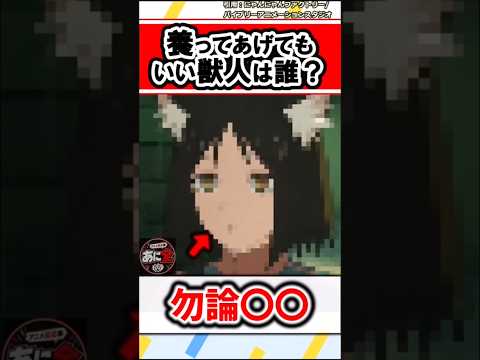
A video featuring multiple beast-man characters—including Kame-neko, Gyaku-neko, Kansai-neko, Kusuri-neko, and Yaku-neko—asked viewers which character they would most want to support or care for. The responses revealed consistent patterns in fan psychology, with viewers expressing different emotional attachments based on character traits such as pride, vulnerability, and potential for growth. The character “Ya-chan” emerged as the one most perceived to need support, despite appearing strong and capable on the surface.
Why It Matters
Understanding fan attachment to fictional characters provides insight into human psychology, emotional needs, and how media consumption fulfills psychological functions. The “desire to support a character” phenomenon is not unique to this video—it reflects broader patterns in fan communities across anime, games, and other media. This analysis helps creators understand what resonates with audiences and reveals how fans use fictional relationships to process their own emotional needs and desires for connection.
Background
The impulse to care for fictional characters is not new. Historical examples include audiences’ protective feelings toward Simba in The Lion King, Puck in Berserk, and characters in the game Uma Musume. Research into fan psychology over the past 15 years has identified recurring patterns: fans develop stronger emotional bonds with characters who display vulnerability combined with strength, possess growth potential, or exhibit contradictory traits that create psychological tension. The beast-man character archetype appears particularly effective at triggering these responses, as animal characteristics can emphasize both innocence and primal strength simultaneously.
Key Points
- Vulnerability triggers protective instincts: Characters perceived as needing help generate stronger “support” responses than completely self-sufficient characters, even if those characters are objectively powerful.
- Contradictory traits create emotional depth: Characters who are simultaneously strong yet vulnerable, or proud yet flawed, generate more intense fan attachment than one-dimensional characters.
- Growth potential drives investment: Fans express stronger desire to support characters they perceive as incomplete or capable of development, suggesting fans view their support as contributing to character growth.
- Social competence paradox: Ya-chan’s appeal stems from being socially skilled and helpful while internally vulnerable—fans feel the character needs them despite appearing capable.
- Distance and accessibility matter: Characters must feel neither completely distant nor completely accessible; the “just within reach” distance optimizes emotional engagement.
- Unique individuality drives preference: Characters with distinctive, irreplaceable traits generate stronger personal attachment than generic archetypes.
Character Analysis
Kansai-neko: High pride combined with underlying vulnerability creates a paradox where fans want to “care for” a character who appears to reject care. This mirrors fan responses to characters like Captain Levi in Attack on Titan—strength makes vulnerability more poignant.
Kusuri-neko: Perceived as carrying unresolved problems, triggering what researchers call “rescue psychology.” Fans feel motivated to help solve the character’s issues, similar to how audiences responded to Yui in Sword Art Online.
Ya-chan: Emerged as the character most perceived to need support despite appearing competent. Described as “first-class at home care, strong, cute, and thoughtful,” this character embodies the contradiction that generates maximum fan engagement—visibly capable yet subtly dependent.
Yaku-neko: Represents incompleteness and potential, triggering what might be called “investment psychology,” where fans feel motivated to support development and growth.
The Psychology Behind “Supporting” Characters
Fan researchers have identified a complex emotional mechanism at work. When fans say they want to “support” or “care for” a character, multiple psychological needs are being expressed simultaneously:
Protective instinct: The desire to shield vulnerability, which may reflect fans’ own need to feel capable and needed.
Control and influence: Supporting a character implies a form of agency and influence over outcomes, fulfilling psychological needs for control in an otherwise uncontrollable world.
Reciprocal dependency: While fans express desire to support characters, analysis suggests an underlying desire to be supported by those same characters—a form of mutual emotional dependency.
Skill validation: Supporting a character allows fans to imagine themselves as nurturing, capable, and emotionally intelligent—validating positive self-images.
Comparative Analysis: Beast-Man Characters Across Media
| Work | Character | Key Trait | Fan Response |
|---|---|---|---|
| The Lion King | Simba | Royal status + isolation | Desire to guide and protect |
| Berserk | Puck | Small, powerless, loyal | Desire to shelter and support |
| Uma Musume | Multiple characters | Each carries personal challenges | Desire to nurture and develop |
| Featured video | Beast-man characters | Strength + hidden vulnerability | Desire to care for and support |
Community Response
Fan communities have responded to this video with detailed psychological analysis. On Twitter, comments reveal fans explicitly stating they want to be “supported by” Kansai-neko, suggesting the relationship is bidirectional. YouTube comments show consensus that Ya-chan requires the most support, with fans noting the character’s surface competence masks internal needs. Reddit and forum discussions have produced sophisticated analysis of why certain character traits trigger support responses, with users identifying the “high-pride character” archetype as particularly effective at generating protective fan emotions.
The broader pattern suggests fan communities are consciously aware of their own psychological processes—they understand that character support reflects their own emotional needs and are willing to engage in meta-analysis of their attachment patterns.
Insights and Implications
This analysis reveals that fan attachment to fictional characters serves important psychological functions. The desire to “support” a character is not frivolous or unhealthy—it represents the human capacity for empathy, nurturing, and emotional investment. However, the research also suggests that fan attachment often reflects unmet psychological needs in fans’ own lives: desires to feel needed, to exercise care and influence, and to experience reciprocal emotional relationships.
For content creators, understanding these psychological patterns enables more effective character design. Characters that combine strength with subtle vulnerability, possess growth potential, and maintain optimal emotional distance from audiences generate the strongest fan engagement and loyalty.
For fans, recognizing these patterns can deepen appreciation for why certain characters resonate emotionally. The impulse to support a character is not a sign of unhealthy attachment but rather evidence of the capacity for deep emotional engagement—a skill that can enhance both fictional and real-world relationships when balanced appropriately.
The beast-man character archetype appears particularly effective at triggering these responses because animal characteristics can simultaneously evoke innocence, vulnerability, and primal strength—creating the psychological contradictions that generate maximum emotional engagement.