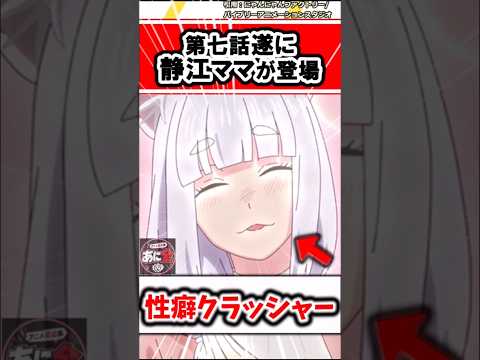
▶ Watch the original YouTube video
Episode 7 of the anime series Yani Neko introduced Shizue, the mother of the main character, in a scene that has captivated viewers and sparked extensive online discussion. The episode’s careful character development and visual design have prompted fans and critics to reassess the series as a sophisticated exploration of parent-child relationships rather than a simple slice-of-life comedy.
- What Happened
- Why It Matters
- Background
- Key Points
- Episode 7 Analysis: The Turning Point in Narrative Structure
- Comparative Analysis: Shizue Among Anime Mothers
- Viewer Reception and Online Response
- Industry Context and Future Implications
- Deeper Insights: What Shizue’s Introduction Reveals
- Recommendations for Viewers
- Conclusion
What Happened
In Episode 7 of Yani Neko, the character Shizue—mother of the protagonist Yani Neko—made her first appearance. The episode revealed unexpected character details and sparked significant viewer engagement across social media platforms. The scene depicting Shizue’s casual smoking habits and her interaction with her daughter generated widespread commentary about character design, narrative structure, and the show’s thematic depth.
Why It Matters
The introduction of parent characters in anime has become an increasingly important narrative device in recent years. Yani Neko‘s treatment of Shizue represents a modern evolution in how anime portrays parental figures—not as background elements, but as fully realized characters with distinct personalities and complexity. This episode marks a turning point in the series’ narrative scope, elevating it from a straightforward comedy to a character-driven drama exploring intergenerational relationships and behavioral inheritance.
Background
The trend of developing parent characters in anime has accelerated since 2019, with series like Demon Slayer, Jujutsu Kaisen, and Oshi no Ko all featuring richly developed parental figures. This shift reflects changing audience demographics, with viewers in their 20s and 30s increasingly seeking narratives that acknowledge the complexity of adult life and parental perspectives. Yani Neko follows this trend while introducing a distinctly contemporary approach to maternal characterization—portraying Shizue as youthful, complex, and multidimensional rather than conforming to traditional archetypes of the nurturing or tragic mother.
Key Points
- Character Introduction: Shizue, the mother of protagonist Yani Neko, appears for the first time in Episode 7, revealing character traits that exceed viewer expectations and establish her as a significant narrative figure.
- Visual Storytelling: The episode employs detailed animation—particularly in depicting Shizue’s practiced smoking gestures—to visually communicate her established habits and suggest she is the origin of her daughter’s behavioral patterns.
- Thematic Inheritance: The episode depicts the transmission of habits and behaviors between parent and child, suggesting that Yani Neko’s distinctive characteristics stem directly from her mother’s influence.
- Character Design Reception: Viewers responded positively to Shizue’s visual design, with many noting her youthful appearance and attractiveness, marking a departure from conventional depictions of anime mothers.
- Narrative Complexity: Detailed analysis of character design elements—such as ear markings and behavioral patterns—reveals both similarities and differences between mother and daughter, suggesting a nuanced relationship rather than simple inheritance.
- Industry Significance: The episode reflects broader industry trends toward developing parent characters as primary narrative elements rather than supporting background figures.
Episode 7 Analysis: The Turning Point in Narrative Structure
The introduction of Shizue represents a critical narrative inflection point for Yani Neko. Similar to how the revelation of a protagonist’s backstory can fundamentally reshape viewer understanding of a series, the appearance of a fully realized parent character provides context and explanation for previously established behavioral patterns.
The episode’s animation demonstrates sophisticated visual storytelling. Shizue’s practiced hand movements when lighting and extinguishing cigarettes communicate years of habitual behavior—a technique also employed in series like Attack on Titan, where parental character actions subtly explain protagonist motivations. This represents a refined approach to character development through visual rather than expository means.
The interaction between Shizue and Yani Neko suggests intentional behavioral transmission. Rather than depicting this as simple negative influence, the episode frames it as a form of parent-child bonding—a more nuanced portrayal than conventional narratives of habit inheritance. This approach echoes techniques seen in works like High Score Girl, where parental interests are passed to subsequent generations as a natural aspect of family dynamics.
Comparative Analysis: Shizue Among Anime Mothers
| Series | Mother Character Traits | Narrative Function | Viewer Reception |
|---|---|---|---|
| K-On! | Warm, nurturing, supportive | Background context for protagonist | Positive sentiment, affection |
| Attack on Titan | Tragic past, formative influence | Explains protagonist’s core motivations | Emotional resonance, tears |
| Yani Neko | Youthful, complex, contemporary | Explains protagonist’s personality formation | Surprise, fascination, new appreciation |
Shizue distinguishes herself from conventional anime mothers through her contemporary characterization. Rather than embodying either the warmth of traditional maternal figures or the tragedy of backstory-driven characters, she presents a modern mother with her own distinct personality, habits, and agency. This represents an evolution in how anime addresses parental characters.
Viewer Reception and Online Response
Social media and comment sections reveal diverse viewer reactions to Shizue’s introduction. Multiple comments describe her as “cute,” indicating that viewers are responding to her as an independent character rather than merely as a parental figure. This reaction suggests a shift in how audiences evaluate parent characters—no longer confined to traditional maternal archetypes, but assessed on the same aesthetic and personality criteria applied to other characters.
Technical observations from viewers demonstrate sophisticated analysis. Comments noting the practiced quality of Shizue’s smoking gestures indicate that portions of the audience recognize and appreciate the production team’s deliberate visual storytelling choices. Similarly, observations about the differences in ear markings and behavioral patterns between mother and daughter suggest viewers are engaging with character design on a detailed analytical level.
The overall reception indicates that Episode 7 successfully balanced multiple viewer interests: visual appeal for those drawn to character design, narrative depth for those analyzing character psychology, and technical appreciation for those examining production choices.
Industry Context and Future Implications
The development of parent characters in anime reflects broader industry trends. Over the past five years, major series have increasingly invested in parental character development, suggesting this represents a deliberate industry shift rather than isolated creative choice. The diversification of viewer age groups—with adult audiences now comprising a significant portion of anime viewership—has created demand for narratives that acknowledge adult perspectives and experiences.
For Yani Neko, Shizue’s introduction likely signals narrative expansion in coming episodes. Based on patterns observed in similar series, future episodes may explore the psychological motivations behind Shizue’s parenting choices, the relationship between Yani Neko and other family members, and the broader implications of inherited behavioral patterns. Shizue may transition from a supporting character to a primary narrative element, fundamentally altering the series’ thematic scope.
Deeper Insights: What Shizue’s Introduction Reveals
Beyond surface-level character introduction, Shizue’s appearance communicates several sophisticated narrative ideas. First, it establishes that Yani Neko operates on the principle that character behavior has explicable origins—that personality traits and habits do not emerge randomly but develop through familial influence and learned patterns.
Second, the episode suggests that parent-child relationships involve complex emotional dynamics beyond simple instruction or prohibition. The interaction between Shizue and Yani Neko is presented not as harmful influence but as a form of intimate connection—a more psychologically mature portrayal than narratives that frame parental behavior as either purely protective or purely damaging.
Third, Shizue’s characterization as youthful and attractive challenges conventional anime representations of mothers as either matronly figures or tragic backstory elements. By presenting a mother as a contemporary, complex individual with her own personality and appeal, the series implicitly argues that parenthood does not erase individual identity—a perspective increasingly relevant to adult audiences.
Recommendations for Viewers
For those beginning Yani Neko, sequential viewing from Episode 1 is essential. The full impact of Shizue’s introduction depends on accumulated familiarity with Yani Neko’s established behavioral patterns and personality traits. Watching episodes in order allows viewers to experience the narrative satisfaction of having previously unexplained character details suddenly clarified through parental context.
During Episode 7 viewing, particular attention to visual details—Shizue’s gestures, expressions, and interactions—will enhance appreciation of the production team’s deliberate character design choices. Engaging with online fan discussions following viewing can provide additional analytical perspectives and deepen understanding of the episode’s thematic significance.
For broader context, comparative viewing of K-On! and Attack on Titan provides instructive contrasts in how different series approach parental character development, illuminating what makes Yani Neko‘s approach distinctive.
Conclusion
Yani Neko Episode 7 represents a significant moment in the series’ narrative development. Shizue’s introduction transforms the show from a straightforward comedy into a character-driven exploration of family dynamics and behavioral inheritance. The episode’s sophisticated visual storytelling, contemporary characterization, and thematic depth position it as a notable example of how modern anime addresses parental figures and intergenerational relationships.
The episode’s reception demonstrates audience appetite for narratives that treat parent characters as fully realized individuals rather than background elements. As the series progresses, Shizue’s role will likely expand, potentially reshaping the entire narrative arc of Yani Neko. For viewers and critics alike, this episode marks a turning point worth careful attention and analysis.