▶ Watch the original YouTube video
How Chiikawa’s ‘Big Tight Squeeze’ Episode Captivated Audiences: A 15-Year Anime Analysis
The latest episode of the beloved short-form anime Chiikawa has sparked intense emotional reactions across social media, blending horror and heartwarming moments in ways that challenge viewer expectations. With over 15 years of anime analysis experience, this piece examines why the “Big Tight Squeeze” episode resonated so deeply with audiences and what it reveals about modern anime storytelling.
- What Happened
- Why It Matters
- Background
- Key Points
- Comparative Analysis: How Chiikawa Differs From Similar Works
- Perspectives and Viewer Reactions
- The Psychology of Scale and Identification
- Industry Trends: The Rise of “Everyday Horror”
- Technical Storytelling: Efficiency Within Constraints
- Insights and Future Implications
- How to Engage With Chiikawa More Deeply
- Conclusion
What Happened
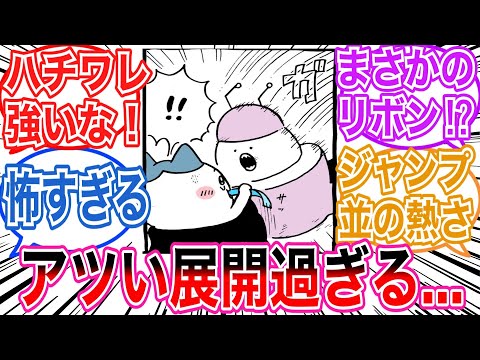
The “Big Tight Squeeze” episode of Chiikawa depicts the small main characters facing a towering, overwhelming threat. Rather than following the series’ typical lighthearted tone, the episode shifts dramatically into survival territory, showing the characters desperately cooperating to confront an adversary far more powerful than themselves. The episode’s unexpected tonal shift—from comfort viewing to genuine tension—generated widespread discussion across Twitter, YouTube, and anime communities.
Why It Matters
This episode represents a significant moment in short-form anime storytelling. Chiikawa operates within a three-minute format per episode, a severe constraint that makes complex emotional storytelling exceptionally difficult. The “Big Tight Squeeze” episode demonstrates how modern anime creators are pushing the boundaries of what’s possible within these limitations, using visual storytelling, subtle character expressions, and sound design to convey profound emotional depth. The episode’s success also reflects broader trends in contemporary anime, where the blending of everyday comfort with unexpected horror has become increasingly prevalent and commercially successful.
Background
Chiikawa, based on original creator Nanana’s manga, launched as a short-form anime series and quickly became a cultural phenomenon. The series initially gained popularity for its cute character design and seemingly wholesome, slice-of-life storytelling. However, from the beginning, the show has deliberately woven elements of danger and existential uncertainty into its narrative. The “Big Tight Squeeze” episode marks a turning point where this underlying tension becomes unavoidable, forcing viewers to reconsider their relationship with the series’ tone and themes.
The episode aired during a period when anime audiences have increasingly embraced works that subvert genre expectations. Recent successful titles like Jujutsu Kaisen, Chainsaw Man, and The Apothecary Diaries have all employed similar strategies of mixing mundane settings with supernatural or horrific elements, suggesting this approach resonates with contemporary viewers.
Key Points
- The episode depicts small characters confronting a massive, overwhelming threat in a high-stakes survival scenario
- Viewer reactions ranged from “terrifying” to “deeply moving,” with many reporting emotional responses to the characters’ silent cooperation
- The three-minute format constrains storytelling but forces exceptionally efficient emotional communication through visuals and sound
- The episode’s tonal shift from comfort viewing to horror created cognitive dissonance that amplified emotional impact
- Character psychology and wordless communication proved central to the episode’s emotional resonance
- The episode exemplifies a broader industry trend toward “everyday horror” narratives that blend mundane settings with existential threats
Comparative Analysis: How Chiikawa Differs From Similar Works
| Series | Type of Threat | Character Response | Viewer Emotional Response |
|---|---|---|---|
| Chiikawa (Big Tight Squeeze) | Intimate, everyday danger | Desperate cooperation and mutual aid | Complex blend of fear and emotional connection |
| Attack on Titan | Clear external enemy | Organized military resistance | Action-oriented excitement |
| Alone in the Wilderness | Social isolation and anxiety | Individual problem-solving | Empathy and encouragement |
Perspectives and Viewer Reactions
Social media responses to the episode revealed starkly divided reactions. Many viewers reported crying during the sequence, describing profound emotional connection to the characters’ struggle. These responses focused not on the cuteness of the characters, but on what they interpreted as a deeper message about perseverance in the face of overwhelming odds.
Conversely, other viewers expressed distress at the tonal departure, with some stating the episode was “too frightening to rewatch.” This negative response appears rooted in a mismatch between viewer expectations—shaped by the series’ initial branding as comfort viewing—and the episode’s actual content. Many viewers had consumed Chiikawa specifically as anxiety-reducing content, making the sudden introduction of genuine threat psychologically jarring.
A third perspective emerged among long-term anime analysts: recognition that the episode represents sophisticated storytelling within severe format constraints. The efficient use of visual language, facial expressions, and silence to convey complex emotional states demonstrates technical mastery often absent from longer-form anime.
The Psychology of Scale and Identification
One crucial element underlying the episode’s impact is the symbolic weight of the characters’ smallness. In contemporary society, many viewers experience feelings of powerlessness and voicelessness. The image of diminutive characters confronting an overwhelming force directly mirrors this psychological reality. Through these characters, viewers witness a representation of their own struggle against seemingly insurmountable circumstances—and witness those characters refusing to surrender.
This mechanism of psychological projection has proven effective in other acclaimed anime. The protagonist Tanjiro from Demon Slayer similarly embodies this archetype: a powerless individual who chooses resistance despite impossible odds. Chiikawa employs the same psychological framework but within a radically compressed timeframe.
Industry Trends: The Rise of “Everyday Horror”
Over the past five years, anime production has increasingly embraced what might be termed “everyday horror”—narratives where the mundane and the threatening coexist. Titles like Jujutsu Kaisen, Chainsaw Man, and The Apothecary Diaries have all achieved critical and commercial success by blending ordinary settings with supernatural or existential danger. This trend reflects shifting audience preferences away from clear-cut genre boundaries toward more psychologically complex narratives.
Chiikawa represents the cutting edge of this trend. By operating within the comfort-viewing genre while introducing genuine existential threat, the series creates productive tension that keeps audiences emotionally engaged. The unpredictability becomes a feature rather than a bug, drawing viewers deeper into the narrative world.
Technical Storytelling: Efficiency Within Constraints
The three-minute episode format presents extraordinary constraints. Traditional television anime typically operate within 22-24 minute episodes, allowing for exposition, character development, and pacing variation. Chiikawa must accomplish comparable emotional work in one-seventh the time.
The “Big Tight Squeeze” episode demonstrates mastery of this constraint through several techniques: strategic use of silence and negative space, subtle shifts in character facial expressions, careful sound design that builds tension without dialogue, and visual composition that communicates threat and vulnerability simultaneously. Every frame serves narrative function. This efficiency level is rare even among acclaimed short-form anime.
Insights and Future Implications
The “Big Tight Squeeze” episode represents a watershed moment in short-form anime storytelling. It demonstrates that the format, rather than being inherently limiting, can serve as a tool for emotional intensity. The constraint forces creators to eliminate extraneous elements and focus purely on core emotional communication.
The episode also reveals something important about contemporary audiences: they are sophisticated enough to appreciate tonal complexity and willing to engage with works that challenge their initial expectations. The intense reactions—both positive and negative—indicate that viewers are emotionally invested enough to feel genuine discomfort when their expectations are subverted.
Looking forward, the episode suggests that Chiikawa may evolve beyond its initial “comfort viewing” positioning toward something more psychologically complex. The character depth demonstrated in this episode suggests the narrative infrastructure exists to support more elaborate storytelling. Whether the “Big Tight Squeeze” character will be developed further, or whether it represents a one-off thematic exploration, remains to be seen. However, the episode’s success indicates that audiences are prepared for—and perhaps eager for—such evolution.
How to Engage With Chiikawa More Deeply
For viewers new to the series, watching episodes sequentially from the beginning is essential. Chiikawa operates as a cumulative narrative where character relationships develop gradually across episodes. The emotional impact of episodes like “Big Tight Squeeze” depends on this accumulated investment in the characters.
When viewing the episode itself, attention to character facial expressions yields significant rewards. In short-form anime, facial expressions often communicate more than dialogue. The subtle shifts in expression during moments of crisis reveal character psychology and emotional state with remarkable efficiency.
For comparative context, viewers interested in similar storytelling approaches might explore Kemono Friends’ early episodes, which similarly blend everyday adventure with underlying existential uncertainty. Comparing these works illuminates the diverse approaches creators take to blending comfort and threat within constrained formats.
Conclusion
The “Big Tight Squeeze” episode of Chiikawa represents a significant achievement in contemporary anime storytelling. Within a three-minute format, it manages to create genuine emotional complexity, challenge viewer expectations, and demonstrate technical mastery of visual narrative language. The episode’s success—measured both in social media engagement and in the depth of viewer emotional response—suggests that audiences are ready for anime that refuses simple categorization.
More broadly, the episode exemplifies how modern anime creators are expanding the medium’s expressive possibilities. By working within constraints rather than against them, and by trusting audiences to engage with psychological complexity, Chiikawa has created something genuinely innovative. Whether this episode represents a permanent shift in the series’ direction or a deliberate tonal excursion, it has undeniably expanded what viewers understand to be possible within the short-form anime format.