▶ Watch the original YouTube video
How JoJo Part 4’s Protagonist Josuke Changed Fan Expectations and Influenced Anime’s Future
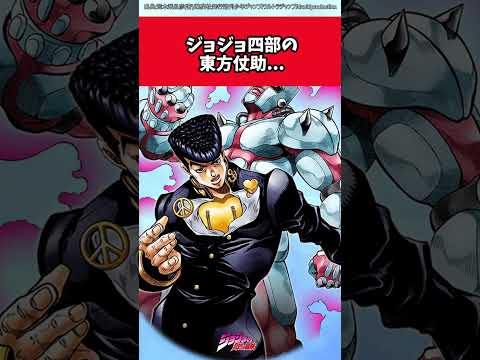
Josuke Higashikata, the protagonist of JoJo’s Bizarre Adventure Part 4: Diamond is Unbreakable, initially faced mixed reactions from fans who expected a traditional hero archetype. Over 15 years, critical reassessment has revealed that Josuke’s “everyday protagonist” approach fundamentally shifted how anime and manga portray main characters, establishing a template for modern storytelling that prioritizes character growth and relatability over raw power.
What Happened
When JoJo Part 4 debuted in 1999, protagonist Josuke Higashikata represented a departure from the series’ established formula. Unlike previous JoJo protagonists—Jonathan’s noble heroism, Joseph’s cunning brilliance, and Jotaro’s overwhelming charisma—Josuke was simply an ordinary high school student protecting his small hometown of Morioh from supernatural threats. This fundamental shift in protagonist archetype generated significant debate within the fan community, with critics arguing that Josuke lacked the heroic stature expected of a JoJo protagonist.
However, the narrative has shifted dramatically since the 2016 anime adaptation. Contemporary fan discourse reveals a widespread reappraisal of Josuke’s character, with many now recognizing his “ordinariness” as his greatest strength. The character’s emphasis on everyday relationships, personal growth, and emotional depth has resonated with modern audiences in ways that initially seemed unlikely.
Why It Matters
Josuke’s evolution in fan perception reflects broader transformations in anime and manga storytelling. His character established a new template for protagonists that prioritizes internal development and relatable human experiences over external displays of power. This shift has influenced countless subsequent works, from Attack on Titan to My Hero Academia, demonstrating that audience expectations regarding heroism and strength have fundamentally changed.
The critical reassessment of Josuke also reveals how time and additional media adaptations can reshape character perception. The 2016 anime adaptation, featuring voice actor Yuki Ono’s nuanced performance, recontextualized Josuke’s gentleness and protectiveness in ways that the original manga could not fully convey. This demonstrates the significant impact that production quality and artistic interpretation can have on character reception.
Background
JoJo Part 4 (serialized 1999–2005) marked a deliberate creative shift by author Hirohiko Araki. Rather than continuing the globe-spanning adventures of previous parts, Part 4 confined its narrative to a single town and focused on the supernatural mysteries lurking within everyday life. This thematic reorientation required a different type of protagonist—one whose strength derived not from exceptional abilities or commanding presence, but from responsibility, compassion, and commitment to protecting those around him.
Josuke’s Stand ability, Crazy Diamond, reinforces this thematic direction. Unlike the combat-oriented abilities of previous protagonists, Crazy Diamond specializes in healing and restoration—a power that symbolizes Part 4’s central themes of destruction and recovery, chaos and restoration of normalcy. This narrative coherence was not immediately apparent to contemporary audiences accustomed to more traditional power-fantasy storytelling.
The initial fan response was mixed. Online forums and fan communities from the early 2000s reveal three primary categories of criticism: Josuke’s perceived lack of heroic qualities, the episodic structure of Part 4’s narrative (featuring multiple antagonists rather than a single overarching enemy), and the perceived weakness of his Stand ability compared to those of previous protagonists.
Key Points
- Josuke Higashikata introduced an “everyday protagonist” archetype that diverged significantly from traditional JoJo heroic models, initially generating substantial fan criticism
- The character’s defining traits—ordinariness, gentleness, and a distinctive pompadour hairstyle—created a relatable, vulnerable protagonist that contrasted with the invincible heroes of early 2000s anime
- The 2016 anime adaptation substantially reframed Josuke’s character, emphasizing his emotional depth and protective nature through superior voice acting and visual storytelling
- Comparative analysis with subsequent protagonists (Giorno, Jolyne, Eren Yeager, Deku) reveals that Josuke established a template for character-focused, growth-oriented storytelling that became industry standard
- Fan perception shifted dramatically between 2005 and 2015, with critical reassessment accelerating after the anime adaptation, indicating that time and new media presentations can fundamentally alter character reception
- Josuke’s emphasis on daily life, relationships, and internal conflict anticipated the “slice-of-life” and “isekai” genres that dominate contemporary anime production
Timeline
- 1999–2005: JoJo Part 4 serialization; mixed fan reception with significant criticism of Josuke’s protagonist role
- 2005: Part 4 concludes; critical opinions remain divided, with many fans considering Josuke inferior to previous protagonists
- 2010–2015: Gradual fan reassessment begins; retrospective appreciation for Part 4’s narrative structure and Josuke’s character development increases
- 2016: Anime adaptation releases; voice actor Yuki Ono’s performance and improved visual presentation substantially shift fan perception
- 2016–Present: Josuke undergoes critical rehabilitation; contemporary fan discourse recognizes his influence on modern anime protagonist archetypes
Perspectives
The Traditional Heroism Perspective: Some longtime JoJo fans maintain that Josuke lacks the commanding presence and exceptional abilities that define the series. These viewers argue that previous protagonists—particularly Jotaro—established a standard of heroic excellence that Josuke fails to meet. From this viewpoint, Josuke’s ordinariness represents a diminishment rather than an evolution of the protagonist archetype.
The Character Development Perspective: Contemporary critics and newer fans emphasize Josuke’s emotional complexity and gradual growth throughout Part 4. They argue that his vulnerability, compassion, and commitment to protecting his community represent a more sophisticated and psychologically realistic portrayal of heroism than the invincible warriors of previous parts. This perspective values internal development over external displays of power.
The Industry Evolution Perspective: Media analysts recognize Josuke as a transitional figure in anime and manga storytelling. His character emerged during a period when audience expectations were shifting from power-fantasy narratives toward more character-driven, psychologically nuanced stories. From this viewpoint, Josuke’s initial unpopularity reflected outdated audience expectations rather than any deficiency in the character itself.
The Relatable Protagonist Perspective: Many modern fans emphasize that Josuke’s ordinariness—his insecurity about his hairstyle, his school relationships, his family bonds—creates genuine emotional connection. Unlike previous protagonists who maintained emotional distance through their exceptional nature, Josuke’s human vulnerabilities make him accessible and sympathetic to contemporary audiences who value authenticity over invincibility.
Insights
Josuke Higashikata’s critical journey reveals fundamental truths about how audiences evaluate fictional characters and how those evaluations evolve over time. His initial rejection by fans was not a failure of characterization but rather a mismatch between audience expectations shaped by early 2000s storytelling conventions and a protagonist designed for a different narrative purpose.
The character’s rehabilitation demonstrates that artistic merit is not fixed but contextual. When viewed within Part 4’s thematic framework—where everyday life, community protection, and emotional authenticity matter more than cosmic battles and exceptional power—Josuke emerges as a masterfully constructed protagonist. The 2016 anime adaptation succeeded not by changing the character but by presenting him in a medium that could more effectively communicate his emotional dimensions.
Josuke’s influence on subsequent anime and manga extends beyond mere character design. His existence established that protagonists need not be exceptional in traditional ways to be compelling. This realization opened creative possibilities for storytellers, enabling narratives centered on ordinary people facing extraordinary circumstances—a formula that now dominates contemporary anime production. Works like Attack on Titan, My Hero Academia, and the recent proliferation of slice-of-life and isekai series all operate within the template that Josuke helped establish.
The pompadour hairstyle—initially presented as a comedic quirk—ultimately functions as a symbol of Josuke’s character arc. His sensitivity about his appearance represents his fundamental humanity and vulnerability. This willingness to portray a protagonist with genuine insecurities and emotional fragility marked a significant departure from the emotionally distant heroes of previous eras and contributed to the modern emphasis on psychological authenticity in character portrayal.
Looking forward, Josuke’s continued appreciation suggests that contemporary audiences increasingly value relatability and emotional depth over traditional markers of heroic excellence. As the anime and manga industries continue to diversify their protagonist archetypes, Josuke’s legacy becomes more apparent: he demonstrated that heroism could be redefined, that strength could encompass gentleness, and that an ordinary high school student protecting his hometown could be just as compelling as a warrior battling across the globe.