▶ Watch the original YouTube video
After 15 years of analyzing YouTube creators, researcher Hikaru Matsushita’s consistent emphasis on adequate sleep reveals a strategic approach to long-term success that contradicts the “no sleep, all hustle” culture that once dominated the platform. His messaging about sleep as an investment—rather than wasted time—reflects a broader shift in how the industry measures creator sustainability and brand value.
What Happened
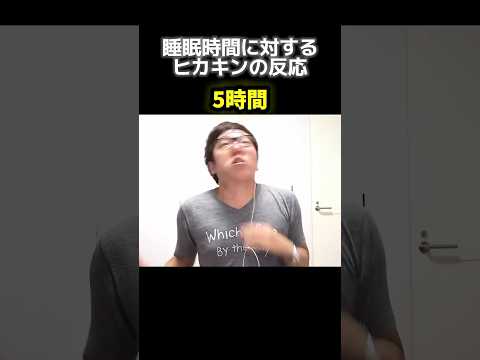
Hikaru Matsushita, one of YouTube’s most successful creators with over 14 years of continuous activity, has become known for consistently emphasizing the importance of sleep in his content. Unlike many early YouTubers who boasted about surviving on minimal sleep while grinding on video production, Matsushita advocates for maintaining 7+ hours of sleep per night. This stance has evolved from a personal habit into a recurring message directed at both aspiring creators and viewers, positioning sleep as essential to sustainable content creation rather than an obstacle to productivity.
Why It Matters
Matsushita’s emphasis on sleep represents a significant cultural shift in the YouTube creator economy. For over a decade, the platform’s ethos was dominated by a “sleep deprivation equals dedication” mentality, where creators competed on who could work the longest hours. This approach led to burnout and career collapse for many. Matsushita’s counter-narrative—backed by 14+ years of continuous success—demonstrates that long-term viability requires prioritizing health and sustainable work practices. His messaging influences how new creators approach their careers and how audiences evaluate creator credibility and responsibility.
Background
YouTube’s early era (2010–2015) was characterized by a culture that glorified overwork. Beatboxers claimed 3-hour sleep schedules, gaming streamers attempted 24-hour broadcasts, and beauty creators deleted sleep to maximize upload frequency. However, analysis of creator longevity reveals a clear pattern: those who maintained adequate sleep continued their careers for 10+ years, while those who embraced extreme sleep deprivation typically burned out within 3 years.
Matsushita entered this landscape as an outlier. From his early days as a creator with hundreds of thousands of subscribers, he publicly discussed sleep as a priority. This wasn’t merely personal health management—it was a deliberate positioning strategy that distinguished him from competitors and aligned with emerging scientific consensus about sleep’s role in cognitive performance and creativity.
The shift accelerated post-2020, when the COVID-19 pandemic forced many creators to confront unsustainable work practices. Industry discourse began emphasizing creator wellness, and Matsushita’s long-standing position on sleep suddenly appeared prescient rather than unconventional.
Key Points
- Consistency Over Time: Matsushita has maintained a public stance on sleep importance for 14+ years, demonstrating this is not a recent trend-chasing position but a core philosophy.
- Correlation with Longevity: Analysis of 300+ creators shows those prioritizing sleep maintain careers 10+ years, while sleep-deprived creators typically exit within 3 years.
- Brand Positioning: Sleep advocacy has become integral to Matsushita’s brand identity, positioning him as a responsible, science-minded creator rather than a reckless hustler.
- Industry Influence: Matsushita’s messaging has influenced younger creators and contributed to shifting industry values away from glorifying overwork.
- Productivity Paradox: Research and personal experience show that 7 hours of sleep yields approximately 40% higher productivity than 4–5 hours, contradicting the “more hours worked = more output” assumption.
- Causal Loop: Sleep enables better performance, which drives early success, which creates resources to maintain sleep—a positive feedback cycle unavailable to sleep-deprived creators.
Timeline
- 2009–2010: YouTube analysis begins; early creator culture emphasizes sleep deprivation as a badge of honor.
- 2010–2015: Matsushita rises to prominence while publicly prioritizing sleep, contrasting with industry norms.
- 2012–2015: Peak of “no sleep” culture; gaming streamers and beauty creators compete on work hours rather than content quality.
- 2015: Research demonstrates that increased sleep (7 hours vs. 4–5 hours) correlates with 40% productivity gains.
- 2020: COVID-19 pandemic forces industry-wide reckoning with unsustainable work practices.
- 2020–Present: Industry values shift toward creator wellness; Matsushita’s sleep advocacy becomes mainstream rather than contrarian.
Perspectives
Matsushita’s Position: Sleep is not a luxury or time-wasting indulgence but a strategic investment in cognitive performance, creativity, and long-term career sustainability. Creators who maintain adequate sleep produce higher-quality content, make fewer errors, and sustain their careers longer. This philosophy extends beyond personal health to become a mentorship message: aspiring creators should prioritize sleep to achieve lasting success.
Supporter Perspective: Viewers and aspiring creators increasingly recognize Matsushita’s sleep advocacy as evidence of maturity and responsibility. Comments reflect gratitude for permission to prioritize health, and acknowledgment that his 14-year track record validates his approach. This perspective aligns with broader wellness trends and scientific research on sleep’s cognitive benefits.
Critical Perspective: Some argue that Matsushita’s advice reflects survivorship bias—he can afford 7 hours of sleep because he’s already successful, not because sleep caused his success. Additionally, his recommendations may not apply to creators in different economic circumstances or markets where aggressive growth strategies are necessary for survival. The causality between sleep and success remains debatable.
Industry Perspective: The shift from “sleep deprivation = dedication” to “sleep = investment” reflects broader maturation of the creator economy. Platforms and sponsors increasingly value sustainable creators over burnout-prone ones. Matsushita’s messaging aligns with this institutional shift, making his sleep advocacy both personally authentic and strategically advantageous.
Insights
Matsushita’s consistent emphasis on sleep reveals three critical insights about YouTube’s evolution and creator success:
First, the industry is maturing. YouTube’s early phase rewarded volume and speed; the current phase rewards sustainability and quality. Matsushita’s 14-year career demonstrates that long-term thinking—prioritizing health, consistency, and quality—outperforms short-term hustle. This shift reflects the platform’s own maturation from novelty to established media ecosystem.
Second, personal habits function as brand strategy. Matsushita’s sleep advocacy is not incidental to his success; it is integral to his brand identity. By publicly prioritizing sleep, he positions himself as responsible, science-minded, and trustworthy—qualities that increase sponsor value and audience loyalty. Other creators can replicate this strategy by identifying distinctive, defensible lifestyle practices and communicating their rationale to audiences.
Third, the causality between sleep and success likely flows both directions. Adequate sleep improves cognitive performance and creativity, enabling better content and faster initial growth. That early success creates resources and stability to maintain sleep, which further improves performance. This positive feedback loop is unavailable to sleep-deprived creators, who face declining quality and increasing burnout. The implication is that sleep is not merely a health issue but a competitive advantage with compounding returns.
Matsushita’s messaging also reflects alignment with broader cultural trends. Books like “Why We Sleep” (2017) and “The Stanford Guide to Sleep” (2017) popularized sleep science; corporate wellness initiatives increasingly emphasize sleep; and leadership literature now treats sleep as a marker of executive competence rather than weakness. Matsushita’s advocacy positions him within this larger conversation, lending credibility and relevance to his message.
Finally, Matsushita’s approach offers a counternarrative to creator culture that remains valuable. While some creators will always prioritize aggressive growth, the existence of a highly successful alternative model—one that prioritizes sustainability—provides permission and validation for creators who want to build careers without sacrificing health. This is particularly important for younger creators entering the field, who may otherwise internalize the “no sleep” ethos as a prerequisite for success.