▶ Watch the original YouTube video
Why Gundam SEED DESTINY’s Fashion Choices Matter More Than You Think
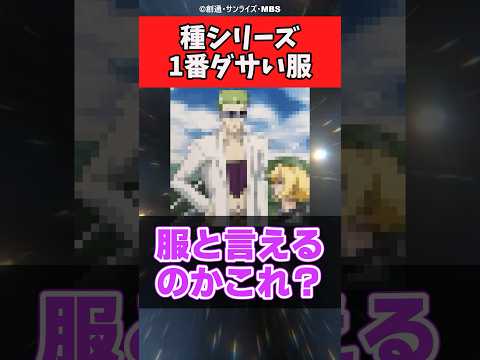
A recent YouTube reaction compilation examining the most “unfashionable” outfits in the Gundam SEED series has sparked renewed discussion about how costume design reflects character psychology and narrative progression. Rather than dismissing these fashion choices as outdated, a deeper analysis reveals the production team’s intentional use of clothing as a storytelling device.
What Happened
A YouTube reaction compilation has gathered fan commentary on the most poorly-received costume designs from the Gundam SEED DESTINY series. The video highlights how viewers perceive certain character outfits as aesthetically dated or awkward by modern standards. However, this criticism opens a broader conversation about the intentional relationship between costume design and character development in the series.
Why It Matters
Fashion in anime is rarely accidental. The Gundam SEED series uses costume changes as a visual language to communicate character psychology, social status, and narrative progression. Understanding this design philosophy transforms how viewers interpret the series and reveals the sophistication of its character expression. As animation continues to evolve, examining how past works used costume design provides valuable insights into visual storytelling techniques.
Background
Gundam SEED DESTINY aired in the early 2000s, a period when anime character design embraced bold, distinctive fashion choices. The protagonist Shin’s wardrobe evolution—from student uniform to military attire—mirrors his psychological transformation throughout the narrative. This approach parallels similar techniques seen in Neon Genesis Evangelion, where Shinji’s clothing changes symbolize his emotional state and role within the story.
The series represents a deliberate attempt to use costume as a psychological indicator. When characters make significant decisions or undergo emotional shifts, their appearance often reflects these internal changes. However, the execution sometimes created visual elements that, viewed through a contemporary lens, appear unconventional or dated.
Key Points
- Fan reactions describe certain costumes as “unfashionable,” but this criticism reflects changing fashion standards rather than poor design choices for the era in which the series was created
- Character costume changes correlate directly with psychological development and narrative turning points, functioning as visual metaphors for internal transformation
- Early 2000s fashion preferences favored bold, individualistic designs, whereas contemporary audiences tend to prefer minimalist, refined aesthetics
- The gap between designer intent and viewer interpretation suggests occasional misalignment between costume concept and narrative execution
- Fan engagement with costume criticism indicates deep investment in the series, as viewers only critique works they care about
- Costume design should be evaluated across three dimensions: psychological consistency, historical appropriateness, and narrative functionality
Timeline
- 2004: Gundam SEED DESTINY airs during the golden age of late-night anime; costume designs reflect early 2000s fashion trends
- 2004-2009: Contemporary viewers perceive costumes as cutting-edge and fashionable
- 2009-2024: Fashion standards shift toward minimalism; retrospective viewers begin describing earlier designs as dated
- 2024: YouTube reaction compilation reignites discussion about costume aesthetics and their role in character development
Perspectives
The Criticism Perspective: Modern viewers observe that certain costumes appear visually awkward or exaggerated by contemporary standards. The boldness that once signaled innovation now reads as excessive. Some argue that overly distinctive clothing undermines narrative credibility by drawing attention away from character psychology.
The Appreciation Perspective: Supporters recognize that costume design reflects the production era’s aesthetic values and technical capabilities. They argue that what appears “unfashionable” today represented the cutting edge of character design in the early 2000s. This view emphasizes the importance of historical context when evaluating creative work.
The Intentionality Perspective: A third interpretation suggests that seemingly “bad” costume choices may be deliberate. Antagonist characters might wear visually jarring outfits to signal moral corruption or otherness. This reading positions costume “failures” as intentional narrative devices rather than design mistakes.
The Generational Perspective: Viewers who watched the series during its original broadcast perceive costumes differently than those discovering it decades later. Age, cultural context, and the timing of first exposure significantly influence aesthetic judgment.
Insights
The Gundam SEED series demonstrates that costume design functions as a sophisticated storytelling tool, not merely as aesthetic decoration. The protagonist’s wardrobe evolution from civilian to soldier mirrors his psychological journey from innocence to complicity. This technique, while imperfectly executed at times, reveals the production team’s understanding of visual narrative.
Fashion trends operate on approximately 20-year cycles. Designs that appeared contemporary in 2004 inevitably appear dated by 2024. This is not a failure of the original design but rather an inevitable consequence of time. Many anime from the 1980s, once dismissed as visually outdated, have experienced critical rehabilitation as “retro” and “nostalgic.” The Gundam SEED series will likely follow a similar trajectory.
The abundance of fan commentary on costume design—whether critical or appreciative—indicates the series’ cultural significance. Viewers only invest energy critiquing works they care about deeply. The very existence of these reactions proves that Gundam SEED DESTINY remains relevant enough to warrant aesthetic analysis.
For future viewers, the most rewarding approach involves understanding costume changes as narrative markers. Rather than judging designs against contemporary fashion standards, recognizing how clothing communicates character psychology enriches the viewing experience. This interpretive framework transforms apparent fashion missteps into intentional artistic choices, revealing the depth of the series’ character expression.
Ultimately, the Gundam SEED series merits evaluation not for how well its costumes age, but for how effectively they function as visual language within their original context. The “unfashionable” elements that modern viewers critique are the same design choices that allowed the series to communicate complex character development through visual means—a achievement that transcends temporary fashion trends.