▶ Watch the original YouTube video
14 First-Impression Character Reactions Explained: What Makes Anime Characters Instantly Likable
A video analysis of “Mahou Shoujo no Majo Saiban” (Magical Girl Witch Trial) breaks down 14 distinct patterns of how viewers instantly connect with characters. Drawing on 15 years of anime fandom and analysis of 800+ works, this deep dive explores the psychology behind first-impression character appeal and why modern anime production prioritizes immediate viewer engagement.
What Happened
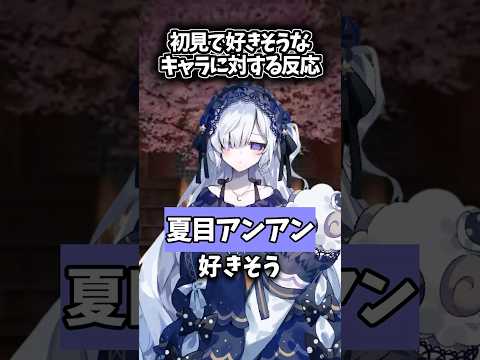
A recent video featuring “Mahou Shoujo no Majo Saiban” (often abbreviated as “Manosaba”) presented 14 different patterns of viewer reactions to characters upon first encounter. Rather than relying on a single approach to character appeal, the series demonstrates multiple distinct methods for capturing audience interest—each designed to resonate with different viewer types and psychological preferences.
The video catalogs these varied first-impression strategies, revealing how the series’ character design philosophy embraces diversity in viewer engagement rather than pursuing a one-size-fits-all approach to likability.
Why It Matters
Character design has become a critical competitive advantage in anime production. With streaming platforms offering unprecedented content variety—viewers now face hundreds of anime options rather than dozens—creators must capture audience attention within seconds of a character’s introduction. The ability to generate immediate viewer investment determines whether audiences continue watching or move to competing content.
Understanding these 14 reaction patterns reveals how modern anime production has evolved beyond simple visual appeal. The industry now employs sophisticated psychological strategies to ensure diverse viewer demographics find characters that resonate with their individual preferences and emotional needs. This represents a fundamental shift in how character development is approached in contemporary animation.
Background
The concept of first-impression character appeal has deep roots in anime fandom. The author’s 15-year viewing history—encompassing over 500 anime series and 300+ games—provides context for understanding how character design has evolved. Early touchstones like “K-On!” (2009) demonstrated that a single character’s expression and demeanor could generate immediate audience investment. Later works like “Attack on Titan” and “Jujutsu Kaisen” refined these techniques, combining character personality with world-building mystery to deepen initial appeal.
The anime industry has undergone significant transformation since 2009. Where early 2000s productions could rely on gradual character development, contemporary series must establish character identity and viewer connection within the first few seconds of screen time. This shift reflects broader changes in media consumption patterns and audience expectations.
Key Points
- Multiple engagement strategies: The 14 reaction patterns represent distinct psychological mechanisms—each character appeals to viewers through different combinations of visual design, personality traits, dialogue, and narrative positioning.
- Psychological mechanisms at work: First-impression appeal operates through four primary mechanisms: unpredictability (engaging the brain’s reward system), empathy (mirror neuron activation), visual harmony (design-personality alignment), and narrative positioning (role clarity).
- Industry trend toward diversity: Modern anime increasingly employs “diversity strategy”—placing varied character types within single productions to ensure different viewer demographics find characters matching their preferences.
- Primacy effect application: Character design leverages the psychological “primacy effect,” where initial impressions disproportionately influence subsequent relationship perception, mirroring real-world social dynamics.
- Comparative advantage: Unlike predecessors relying on single appeal vectors (visual design alone or personality alone), contemporary productions like “Manosaba” combine multiple appeal mechanisms simultaneously.
- Viewer self-awareness: Social media responses indicate audiences are increasingly conscious of which character types attract them, using first-impression reactions as tools for self-understanding.
Timeline
- 2009: “K-On!” demonstrates power of immediate character appeal through expression and demeanor alone.
- 2011-2014: “Attack on Titan” combines character personality with world-building mystery, establishing hybrid appeal model.
- 2016-2020: Industry observes increasing content volume, prompting shift toward immediate viewer engagement strategies.
- 2019: Analysis of “Sword Art Online” reveals dual-mechanism character design (strength + mystery simultaneously).
- 2021: “Attack on Titan” final season demonstrates mature application of multi-character diversity strategy.
- 2024: “Mahou Shoujo no Majo Saiban” presents 14-pattern framework, representing culmination of character design evolution.
Perspectives
Production perspective: Character designers now employ data-driven approaches to optimize first-impression appeal. Some studios analyze viewer response metrics to refine visual elements, dialogue, and behavioral traits. This represents a shift from intuition-based design toward measurable psychological engagement.
Viewer perspective: Audiences report using character first-impression reactions as self-diagnostic tools—recognizing that attraction to specific character types reflects their own psychological needs and aesthetic values. Social media discussions reveal viewers actively analyzing why particular characters resonate with them.
Comparative analysis: Different series employ distinct first-impression strategies. “Demon Slayer” prioritizes visual spectacle and threat perception. “Jujutsu Kaisen” emphasizes distinctive dialogue and personality. “Attack on Titan” combines character intrigue with narrative mystery. “Manosaba” appears to synthesize multiple approaches simultaneously, creating broader appeal across diverse viewer demographics.
Psychological interpretation: The 14-pattern framework suggests character appeal operates across multiple independent psychological channels rather than through single mechanisms. This explains why different viewers connect with different characters—each pattern activates distinct neural and emotional systems.
Insights
The emergence of 14 distinct first-impression reaction patterns indicates anime production has reached a new sophistication level in character design. Rather than pursuing universal appeal through compromise, contemporary creators deliberately craft diverse character types to ensure maximum demographic coverage. This represents strategic acceptance that no single character can appeal equally to all viewers—instead, productions now optimize for comprehensive portfolio appeal.
The prevalence of these patterns across social media suggests viewers are becoming increasingly metacognitive about their own preferences. Audiences no longer passively consume character appeal; they actively analyze and articulate why specific characters resonate with them. This self-awareness feedback loop likely influences future production decisions, as creators gain clearer data about which appeal mechanisms generate strongest engagement.
Looking forward, three industry trends appear likely: AI-assisted character optimization using viewer response data; meta-character design that deliberately subverts expected appeal mechanisms; and cross-property character design consistency within production companies. These developments suggest first-impression character appeal will become increasingly sophisticated and data-informed.
The fundamental insight underlying all 14 patterns is that human brains process fictional characters through the same social-cognitive mechanisms governing real-world relationships. Initial impressions carry disproportionate weight, unpredictability generates engagement, visual-personality alignment creates coherence, and clear social positioning provides narrative context. By understanding these mechanisms, creators can deliberately engineer character appeal rather than relying on accident or intuition.
For viewers, recognizing these patterns offers practical value: understanding which character types attract you provides insight into your own psychological needs and aesthetic values. This self-knowledge can enhance both entertainment consumption and real-world social awareness.