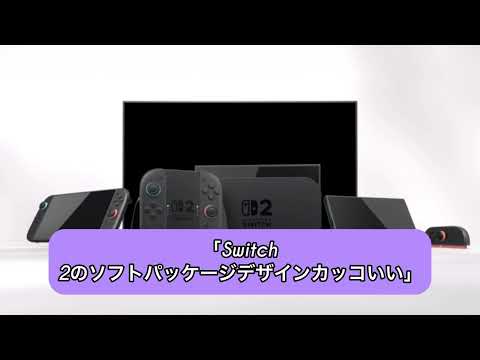
▶ Watch the original YouTube video
Nintendo Switch 2 Announcement: What Players Really Think About Nintendo’s Next Console
Following Nintendo’s announcement of the Switch 2, gaming communities across the globe have shared mixed reactions ranging from optimism about backward compatibility to concerns about repeating past failures. After 15 years of observing console launches from major manufacturers, industry observers have identified clear patterns in how players evaluate new hardware and what factors determine long-term success.
What Happened
Nintendo officially announced the Switch 2, revealing key specifications, pricing, and features. The announcement triggered widespread discussion across social media platforms, gaming forums, and video platforms. Players responded with enthusiasm about certain features while expressing caution about others, creating a nuanced picture of consumer sentiment toward the new console.
The announcement included details about pricing (¥49,980 in Japan, approximately $70,000 in some overseas markets), backward compatibility with existing Joy-Con controllers and Pro Controllers, new features including mouse functionality and chat capabilities, and expected launch titles including Mario Kart 8 Deluxe.
Why It Matters
Console generation transitions represent critical moments for hardware manufacturers. Player sentiment during these periods directly influences adoption rates, software sales, and the platform’s long-term viability. The Switch 2 announcement is particularly significant because it follows the Wii U’s commercial failure—a lesson that shapes how Nintendo approaches this transition.
Understanding player reactions reveals what consumers prioritize: hardware reliability, software availability, pricing strategy, and backward compatibility. These factors have become increasingly important as gaming markets mature and players make more deliberate purchasing decisions.
Background
The Nintendo Switch launched in 2017 and became one of the most successful gaming consoles ever, with a diverse library spanning casual and hardcore titles. However, Nintendo’s previous console generation—the Wii U (2012)—failed commercially due to unclear messaging, limited backward compatibility, weak launch software, and confused market positioning.
The Switch’s success created an established user base with existing investments in hardware and software. This context shapes how players evaluate the Switch 2: they want assurance that their existing purchases remain valuable and that Nintendo has learned from past mistakes.
In the broader industry, PlayStation 5 and Xbox Series X/S both emphasized backward compatibility during their launches, establishing this as an industry standard expectation. Switch 2’s approach must meet or exceed these precedents.
Key Points
- Regional Pricing Strategy: Japan’s ¥49,980 price point is significantly lower than overseas pricing, reflecting Nintendo’s strategy to maintain market dominance in its home territory while accounting for currency fluctuations and regional distribution costs.
- Backward Compatibility: Existing Joy-Con and Pro Controller compatibility reduces consumer switching costs and addresses a major Wii U failure point. This feature generated the most positive player responses.
- Hardware Improvements: Enhanced Joy-Con durability addresses the widespread “drift” problem that plagued original Switch controllers since 2017, directly responding to years of user complaints.
- New Features with Uncertainty: Mouse functionality and chat capabilities generate excitement but also caution, as players recall how Wii motion controls promised revolution but saw inconsistent implementation across games.
- Launch Software Concerns: Expected reliance on existing titles like Mario Kart 8 Deluxe creates a “wait and see” mentality among players, who question whether new software will justify immediate purchase.
- Wii U Anxiety: Recurring references to Wii U’s failure reflect genuine concern that Nintendo might repeat past mistakes, despite apparent strategic improvements.
Timeline
- 2006: Wii launches with regional pricing strategy favoring Japan, leading to explosive sales and global success.
- 2012: Wii U launches with unclear messaging and limited backward compatibility, resulting in commercial failure.
- 2017: Nintendo Switch launches with hybrid portable/docked design, establishing strong user base and software library.
- 2017-Present: Joy-Con drift problems persist across millions of units, becoming major consumer complaint.
- 2020: PlayStation 5 and Xbox Series X/S launch with emphasis on backward compatibility, establishing industry standard.
- 2025: Nintendo announces Switch 2 with backward compatibility, improved hardware, and new features.
Perspectives
Optimistic Players: Consumers expressing positive sentiment focus on backward compatibility, Joy-Con durability improvements, and new features like mouse functionality. These players view Switch 2 as a natural evolution that protects their existing investments while adding capabilities.
Cautious Players: Many express concern about repeating Wii U mistakes, questioning whether launch software will be compelling and whether new features will be meaningfully integrated into games. This group emphasizes the importance of waiting for reviews and actual gameplay footage.
Pragmatic Players: A significant portion adopts a “wait and see” approach, noting that existing Switch games remain playable and that there is no urgency to purchase immediately. This reflects mature consumer behavior in established markets.
Value-Conscious Players: Some highlight the ability to purchase existing games at reduced prices rather than buying new software, suggesting that backward compatibility may actually delay new software sales during the transition period.
Insights
The Switch 2 announcement reveals that Nintendo has internalized lessons from the Wii U failure. The emphasis on backward compatibility, hardware reliability improvements, and clear messaging to existing users demonstrates strategic learning. However, player sentiment remains cautiously optimistic rather than enthusiastic—a reflection of mature market dynamics where consumers make deliberate purchasing decisions.
The regional pricing strategy reflects Nintendo’s understanding that Japan remains its core market and profit center. By maintaining competitive pricing domestically while accepting higher prices internationally, Nintendo prioritizes market share in its strongest territory.
Player concerns about launch software and new features reveal an important industry truth: hardware alone does not determine success. The Wii succeeded because motion controls were meaningfully integrated into compelling games. The Wii U failed partly because its unique features felt gimmicky and poorly implemented. Switch 2’s success depends not on the mouse functionality itself, but on whether developers create games that make this feature essential rather than optional.
The prevalence of “wait and see” responses indicates that console markets have matured significantly. Players no longer rush to purchase new hardware based on specifications alone. Instead, they demand proof through software quality, user reviews, and demonstrated value. This represents a fundamental shift from previous console generations and will likely define how Switch 2 adoption unfolds over its first year.
Ultimately, Switch 2’s success hinges on three factors: maintaining the existing user base through backward compatibility (largely achieved), delivering compelling new software that justifies hardware purchase, and avoiding the messaging confusion that plagued Wii U. Current player sentiment suggests Nintendo has addressed the first factor but must prove itself on the remaining two.