▶ Watch the original YouTube video
How Uma Musume Characters React to Crisis: A Deep Analysis of Character Design Through Trainer Response Videos
A viral video compilation showing how different trainers respond to an incident at Tracen Academy reveals the sophisticated character design philosophy behind Uma Musume Pretty Derby. Through analyzing these reaction videos, we can understand how the game’s developers use real racehorse characteristics to create authentic, multifaceted character responses that deepen player engagement.
What Happened
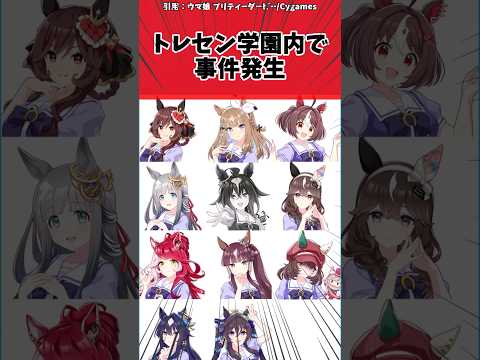
A video compilation titled “Trainer Reactions to an Incident at Tracen Academy” has gained attention in the Uma Musume community for showcasing how different characters respond to a crisis situation. The video demonstrates the diverse reactions of various uma musume (horse girls) and their trainer to a single event, revealing how each character’s personality and values shape their response to adversity.
Why It Matters
This type of reaction compilation video has become a significant form of content within the Uma Musume community, serving not merely as entertainment but as a window into the game’s character design philosophy. The video illustrates how modern game design prioritizes character consistency and narrative depth, with player choices and character backgrounds creating meaningful interactions. For game developers and narrative designers, Uma Musume demonstrates how grounding fictional characters in historical fact—in this case, real racehorses—can create authentic, believable character responses that resonate with players.
Background
Uma Musume Pretty Derby is a mobile game and anime franchise that reimagines famous racehorses as anthropomorphic characters competing in a school setting. The game launched its first anime season in 2021 and has since become notable for its sophisticated approach to character development. Each character is based on an actual racehorse, with the horse’s historical characteristics, racing style, and temperament directly influencing the character’s personality and behavior in the game. This design choice creates a unique foundation for character consistency: reactions and decisions are not arbitrary but rooted in historical fact.
The trainer, controlled by the player, serves as more than a simple management tool—they function as an active character whose choices influence the narrative. When players select dialogue options like “encourage” or “observe,” these decisions affect the uma musume’s motivation and story progression, creating a personalized narrative experience.
Key Points
- Character Diversity in Crisis Response: Each uma musume responds to the incident according to their distinct personality and values, whether competitive, cooperative, independent, or leadership-oriented.
- Historical Grounding: Character reactions are not arbitrary variations but stem from the actual characteristics of the racehorses they represent, creating narrative authenticity.
- Trainer Agency: The player-controlled trainer’s response options directly influence story outcomes, making each player’s experience unique.
- Reaction Videos as Educational Content: Fan-created reaction compilations serve as both entertainment and learning tools, helping players understand character personalities and relationships.
- Community Engagement: The video format has become a primary driver of community discussion, with fans analyzing character consistency and debating how different personalities would respond to various situations.
- Game Design Innovation: Uma Musume demonstrates how grounding fictional characters in real-world history creates deeper narrative possibilities than purely fictional character design.
Timeline
- 2021: Uma Musume Pretty Derby anime first season airs, introducing the franchise to wider audiences.
- 2021-2022: Community begins creating reaction compilation videos as a popular content format.
- 2022: Reaction videos become a dominant form of Uma Musume fan content on YouTube and social media.
- Present: “Trainer Reactions to Tracen Academy Incident” video gains significant engagement, sparking discussion about character design philosophy.
Perspectives
Character Design Philosophy: The incident scenario functions as a stress test for character authenticity. By placing characters in a crisis situation, the game reveals their core values and decision-making frameworks. A competitive character might view the incident as an opportunity to outperform rivals, while a cooperative character would prioritize helping teammates. This approach mirrors psychological analysis techniques that examine human behavior under pressure.
Player Experience: From the player perspective, reaction videos enhance understanding of character personalities and relationships. Fans report that watching these compilations helps them make more informed trainer choices during gameplay, as they better understand how different characters will respond to various situations. This creates a feedback loop where community content deepens engagement with the game itself.
Narrative Design: The use of real racehorse history as character foundation represents an evolution in game narrative design. Rather than creating characters from scratch, developers leveraged existing historical records to ensure character consistency. A horse known for difficult temperament becomes a character with a volatile personality; a horse known for steady performance becomes a reliable, dependable character.
Community Perspective: Online communities have recognized that reaction videos represent more than entertainment—they function as collaborative character analysis. Twitter discussions, YouTube comments, and forum posts show players using these videos to deepen their understanding of game mechanics and character relationships.
Insights
The popularity of Uma Musume reaction videos reflects a broader shift in modern game design toward character-centric narratives. As games become more complex and story-driven, players increasingly value authentic character development over mechanical complexity. Uma Musume succeeds by grounding its characters in historical reality, creating a foundation of authenticity that makes even fictional scenarios feel believable.
The incident scenario demonstrates how effective game design uses external stressors to reveal character depth. By removing characters from routine situations and placing them in crisis, the game creates opportunities for meaningful character differentiation. This approach has proven so effective that fan communities have made reaction compilations a primary form of engagement with the game.
The trainer’s role as an active character rather than a passive manager represents an important design choice. By giving players meaningful choices that affect character responses and story outcomes, Uma Musume transforms a single-player experience into a personalized narrative. This design philosophy suggests that future games will increasingly blur the line between player agency and character autonomy.
Looking forward, the success of Uma Musume’s character-focused design may influence how other games approach narrative development. The integration of historical fact with fictional storytelling, combined with meaningful player choice, creates a template for games seeking to build deeper player-character relationships. As reaction videos continue to drive community engagement, they validate the importance of consistent, believable character design as a core pillar of modern game development.