▶ Watch the original YouTube video
Why Josuke and Koichi Are JoJo’s Greatest Duo: A 15-Year Fan Analysis
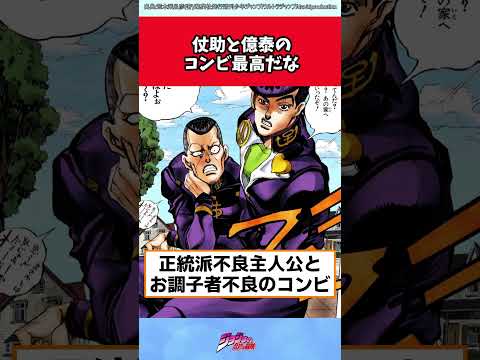
After 15 years of following JoJo’s Bizarre Adventure, one partnership stands out as the series’ most compelling: Josuke Higashikata and Koichi Hirose from Part 4, “Diamond is Unbreakable.” Their evolution from rivals to inseparable allies represents a departure from traditional shonen protagonist archetypes and offers a uniquely human portrayal of friendship and mutual growth.
What Happened
In JoJo Part 4, Josuke—a delinquent with a hair obsession—and Koichi—an innocent, initially weak-willed boy—form an unlikely partnership that becomes the emotional core of “Diamond is Unbreakable.” Beginning as adversaries, they gradually develop a bond through shared Stand battles, culminating in their climactic confrontation with serial killer Yoshikage Kira. Their relationship transcends typical mentor-student or leader-follower dynamics, instead presenting a mutual evolution where both characters grow stronger through their connection.
Why It Matters
The Josuke-Koichi partnership represents a significant shift in shonen manga storytelling. Rather than centering on an isolated, exceptional protagonist, Part 4 places interpersonal bonds at the narrative’s core. This approach resonates with modern audiences seeking authentic character development over idealized heroism. The duo’s relationship—marked by genuine conflict, mutual vulnerability, and earned trust—mirrors real human connection more closely than many contemporary anime and manga partnerships, making their story universally relatable despite its fantastical setting.
Background
JoJo’s Bizarre Adventure, created by Hirohiko Araki, has traditionally featured solitary protagonists: Jonathan, Joseph, and Jotaro all embodied a certain aloofness. Josuke breaks this mold. When Part 4 premiered in the early 2010s (with the manga originating in 1999), the shonen landscape was already shifting toward ensemble casts and friendship-focused narratives, as seen in One Piece and Naruto. However, Josuke and Koichi’s dynamic stands apart because their relationship isn’t simply one among many—it is the story’s central axis. The two characters’ complementary abilities and opposing personalities create both narrative and thematic depth that elevates their partnership beyond typical sidekick relationships.
Key Points
- Contrasting Character Archetypes: Josuke embodies the “legitimate delinquent” while Koichi represents innocent earnestness. This contrast creates natural tension and mutual growth opportunities.
- Rivals-to-Allies Narrative: The two begin as antagonists, with Josuke dominating Morioh and Koichi initially opposing him. Their gradual trust-building through shared battles creates genuine emotional investment.
- Stand Ability Synergy: Crazy Diamond’s restorative powers and Echoes’ restrictive abilities complement each other tactically, making their partnership effective in combat while symbolizing their emotional interdependence.
- Humanized Vulnerability: Unlike idealized protagonists, Josuke displays insecurity about his appearance and romantic interests, while Koichi struggles with cowardice. Their shared weaknesses foster authentic connection.
- Narrative Centrality: Koichi functions as more than a supporting character—his presence and growth directly influence the story’s direction and emotional weight, particularly during the Kira arc’s climax.
- Subversion of Shonen Tropes: The partnership challenges the archetype of the lone, exceptional hero by demonstrating that interdependence and mutual support create strength.
Character Development Timeline
- Episodes 1–5: Josuke and Koichi meet as rivals. Their opposing natures and initial conflict establish the foundation for their eventual bond.
- Episodes 10–15: Stand awakening and early battles against common enemies accelerate their trust-building and mutual respect.
- Episodes 35–39: The Yoshikage Kira final battle showcases the full depth of their connection. Josuke’s temporary incapacitation and subsequent return highlight how essential they are to each other’s survival and purpose.
Perspectives
Fan Reception: Online communities have consistently celebrated the Josuke-Koichi partnership. Twitter trends like #JosukeKoichiSupreme and extensive Reddit discussions emphasize how their relationship distinguishes Part 4 from other JoJo installments. Many fans cite the Kira final battle as the emotional peak of the series, crediting the duo’s bond for its impact.
Comparative Analysis: When measured against similar partnerships in anime and manga—such as Luffy and his crew in One Piece, Naruto and Sasuke in Naruto, or the protagonist and social links in Persona 4—Josuke and Koichi rank exceptionally high in both relational depth and narrative influence. Unlike One Piece’s distributed ensemble dynamics or Naruto’s rival-centric focus, Part 4 privileges a single, intensely developed partnership as its emotional anchor.
Critical Interpretation: Some viewers argue that Koichi receives disproportionate screen time as a main character, potentially overshadowing other cast members. However, this criticism remains minority opinion; the overwhelming consensus celebrates their prominence as essential to Part 4’s thematic coherence.
Insights
The enduring appeal of Josuke and Koichi reflects broader shifts in storytelling priorities. Mid-2000s shonen manga increasingly emphasized friendship and collective growth over individual exceptionalism. However, Part 4 distinguishes itself by making one specific relationship—rather than a broader friend group—the narrative’s foundation. This choice proves psychologically resonant: audiences demonstrate stronger emotional investment in characters who display relatable vulnerability rather than idealized perfection. Josuke’s vanity and Koichi’s initial cowardice make them human in ways that traditional protagonists are not.
The partnership also demonstrates how complementary abilities can symbolize emotional interdependence. Crazy Diamond’s restorative nature paired with Echoes’ restrictive powers creates tactical synergy, but more importantly, it visually represents how each character sustains and enables the other. This metaphorical alignment between mechanical function and emotional bond strengthens the narrative’s thematic coherence.
From a creative standpoint, creator Hirohiko Araki has emphasized in interviews that character relationships form the foundation of compelling storytelling. Josuke and Koichi represent the culmination of this philosophy—a partnership that transcends typical manga tropes to explore genuine human connection within a fantastical framework. Their story asks fundamental questions: What constitutes true friendship? How do people learn to trust? Why does shared vulnerability create unbreakable bonds? These questions remain universally relevant, explaining why the duo continues attracting new fans across generations.
The Josuke-Koichi dynamic ultimately suggests that strength emerges not from individual heroism but from mutual understanding and interdependence. In an era increasingly defined by isolation, their partnership offers a counternarrative: that human connection, forged through conflict and sustained through commitment, represents the truest form of power.