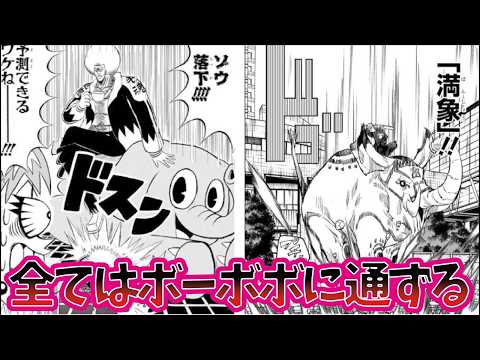
▶ Watch the original YouTube video
How Bobobo-bo Bo-bobo Revolutionized Manga: Hidden Parodies in Modern Comics Spark Internet Nostalgia
A viral video exposing hidden Bobobo-bo Bo-bobo parodies and references embedded throughout popular modern manga has reignited fan discussions about the series’ profound influence on Japanese comic culture. The discovery reveals how a seemingly absurdist comedy from the early 2000s fundamentally expanded the creative possibilities of manga expression, leaving an indelible mark on contemporary works like Gintama, Assassination Classroom, and Jujutsu Kaisen.
What Happened
A video compilation has circulated online documenting numerous parodies, homages, and stylistic references to Bobobo-bo Bo-bobo hidden within several popular manga series. The video sparked widespread discussion across Twitter, 5channel, and YouTube, with fans and critics recognizing that modern manga creators have absorbed and adapted the absurdist humor and narrative freedom that defined the original series. Comments reveal a mix of nostalgia, appreciation for the original work’s creative legacy, and newfound respect for how its influence permeates contemporary storytelling.
Why It Matters
Bobobo-bo Bo-bobo, which ran in the early 2000s, represented a radical departure from the narrative logic that dominated manga at the time. While contemporaries like Bleach and Naruto adhered to structured storytelling within established rules, Bobobo-bo Bo-bobo deliberately destroyed reader expectations and ignored conventional logic. This philosophical shift—prioritizing creative freedom over narrative coherence—fundamentally altered what manga could express. Understanding how this influence persists in modern works illuminates the evolution of Japanese comic culture and demonstrates how a single series can reshape an entire medium’s creative boundaries.
Background
Bobobo-bo Bo-bobo, created by Yoshio Sawaki, aired during a transformative period in manga history. The early 2000s saw the rise of epic fantasy narratives like One Piece, Naruto, and Bleach, which dominated the mainstream. In this landscape, Bobobo-bo Bo-bobo stood as an anomaly—a work that deliberately rejected story logic in favor of nonsensical humor and unpredictable narrative turns. The series’ creator famously stated in interviews that “betraying reader expectations is manga’s greatest weapon,” a philosophy that would influence an entire generation of creators.
Though Bobobo-bo Bo-bobo never achieved the commercial success of One Piece or Naruto, its cultural impact proved immense. The series demonstrated that manga could operate outside traditional narrative constraints, opening new creative possibilities for subsequent works. By the 2010s, this influence had become industry-wide, with Weekly Shonen Jump editors reportedly encouraging new creators to embrace greater expressive freedom—a direct legacy of Bobobo-bo Bo-bobo’s success.
Key Points
- Multiple popular manga series contain hidden parodies and stylistic homages to Bobobo-bo Bo-bobo, from Gintama to Jujutsu Kaisen
- These references represent more than surface-level jokes; they reflect authors’ understanding of creative freedom and narrative unpredictability
- Bobobo-bo Bo-bobo’s core legacy is the expansion of manga’s expressive possibilities beyond logical storytelling constraints
- The series influenced how contemporary manga balances serious themes with absurdist humor and meta-commentary
- Internet communities have responded with enthusiasm, recognizing these hidden references as evidence of Bobobo-bo Bo-bobo’s lasting cultural significance
- The influence extends beyond comedy to serious works like Attack on Titan, which employ similar expectation-subverting techniques
Timeline
- Early 2000s: Bobobo-bo Bo-bobo serializes, introducing radical narrative freedom to manga
- 2006: Series gains cult status; anime adaptation airs during early late-night anime era
- 2007: Gintama begins serialization, clearly influenced by Bobobo-bo Bo-bobo’s approach to absurdist humor
- 2010s: Assassination Classroom, My Hero Academia, and Jujutsu Kaisen emerge, incorporating Bobobo-bo Bo-bobo-inspired creative techniques
- 2020s: Video compilation surfaces, prompting widespread recognition of Bobobo-bo Bo-bobo’s pervasive influence across modern manga
Perspectives
Fan Perspective: Long-time viewers and readers express genuine excitement at discovering that beloved modern series carry Bobobo-bo Bo-bobo’s DNA. Comments reveal a sense of validation—the series they grew up with is now recognized as foundational to contemporary manga culture. Many 30- and 40-year-old fans report emotional responses, noting that revisiting the original series as adults reveals depths of creativity they missed in childhood.
Critical Analysis: Manga scholars and industry observers recognize Bobobo-bo Bo-bobo as a watershed moment in creative philosophy. The series demonstrated that commercial success need not depend on narrative logic, thereby legitimizing experimental approaches. This shift enabled subsequent creators to blend serious themes with absurdist humor, meta-commentary, and unpredictable character behavior—techniques now standard in contemporary manga.
Creator Perspective: Modern manga authors appear to have internalized Bobobo-bo Bo-bobo’s core principle: freedom of expression matters more than rigid adherence to genre conventions. Works like Gintama apply this philosophy through time-sensitive parodies rooted in Japanese pop culture, while Assassination Classroom fuses it with serious educational themes. Jujutsu Kaisen incorporates it through four-panel comedy segments and character behavior that defies logical prediction.
Comparative Analysis
Gintama: Demonstrates the highest degree of Bobobo-bo Bo-bobo influence. While sharing the original’s nonsensical humor and unpredictability, Gintama applies these techniques to contemporary cultural references and current events, creating a work rooted in its specific historical moment.
Assassination Classroom: Merges Bobobo-bo Bo-bobo’s comedic sensibility with serious thematic content. The protagonist Koro-sensei embodies this fusion—ostensibly a serious character within a serious premise, yet depicted through absurdist, nonsensical humor that directly echoes Bobobo-bo Bo-bobo’s approach.
Jujutsu Kaisen: Incorporates Bobobo-bo Bo-bobo’s influence more subtly through four-panel comedy segments and character behavior that defies logical prediction. The series balances dark fantasy storytelling with moments of pure absurdist humor, suggesting the author’s awareness of creative freedom as a valid expressive tool.
My Hero Academia: Employs unpredictable character behavior and narrative subversion, though more moderately than other examples. The influence manifests primarily in how characters occasionally act against reader expectations.
Insights
Bobobo-bo Bo-bobo’s greatest legacy is not its humor but its philosophical contribution to manga: the recognition that narrative logic need not constrain creative expression. By deliberately destroying reader expectations and ignoring conventional storytelling rules, the series opened new possibilities for how manga could communicate meaning and emotion.
This influence has democratized creative freedom within the industry. Before Bobobo-bo Bo-bobo, nonsensical humor and unpredictable narrative turns were anomalies. After its success, these techniques became legitimate tools in any creator’s arsenal. The result is a more diverse, creatively rich manga landscape where serious works can incorporate absurdist elements, where meta-commentary enhances rather than undermines storytelling, and where reader expectations can be productively subverted.
The enthusiastic internet response to the video suggests that modern audiences recognize this deeper significance. Fans are not merely experiencing nostalgia; they are celebrating the realization that works they love carry forward a creative philosophy that fundamentally reshaped their medium. This recognition points to an important truth: cultural influence operates not through direct imitation but through the transmission of creative principles. Bobobo-bo Bo-bobo taught manga creators that freedom matters, and that lesson continues to shape Japanese comics today.
Looking forward, the question becomes whether contemporary creators will continue to deepen their understanding of Bobobo-bo Bo-bobo’s core philosophy or merely apply its surface techniques. The most promising works—those that genuinely balance serious content with absurdist freedom—suggest the former is occurring. If this trend continues, Japanese manga will likely grow even more diverse and creatively ambitious, fulfilling the promise that Bobobo-bo Bo-bobo first articulated two decades ago.