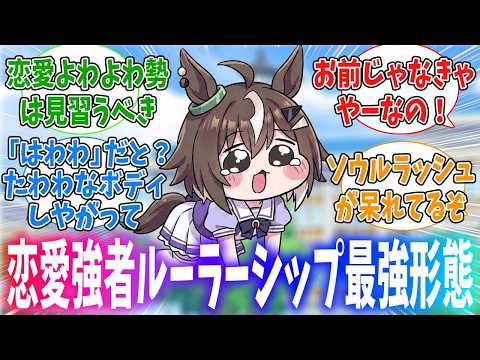
▶ Watch the original YouTube video
How Anime Fans Are Divided Over the Concept of ‘Romantically Dominant’ Characters
After 15 years of analyzing anime and gaming communities, one long-time fan explores why the concept of “romantically dominant” characters generates deep divisions within fandom—and reveals that most disagreements stem not from conflicting values, but from fundamentally different definitions of what “strength” means in romance.
- What Happened
- Why It Matters
- Background
- Key Points
- Timeline of Conceptual Evolution
- Perspectives
- Comparative Analysis Across Works
- Fan Psychology and Attraction Mechanisms
- Industry Perspective and Commercial Strategy
- Broader Cultural Context
- Practical Guidance for Fandom Engagement
- Online Community Reactions
- Insights and Implications
- Conclusion
What Happened
The concept of “romantically dominant” or “strong in romance” (恋愛つよつよ) characters has become a flashpoint for debate within anime and gaming communities. This seemingly straightforward character archetype—typically depicting characters who take initiative in romantic situations—has sparked unexpectedly intense disagreement among fans about what it actually means and whether it represents a positive character trait.
Why It Matters
This debate reveals far more than surface-level disagreement about character preferences. It reflects evolving social values around gender dynamics, romantic autonomy, and what constitutes “strength” in relationships. As anime and gaming industries have increasingly commercialized this character archetype, the ambiguity in its definition has created a vacuum where fans project their own values—leading to apparent conflict that often masks shared underlying concerns. Understanding this phenomenon provides insight into how popular media both shapes and reflects broader cultural conversations about romance and agency.
Background
The term “romantically dominant” emerged from anime and visual novel culture, initially describing characters who took control in romantic scenarios. However, as the industry evolved from the 1990s through the 2020s, the definition became increasingly nebulous. Early dating sims like Tokimeki Memorial (1997) presented romance as a selection game where players chose from passive female characters. By contrast, contemporary works like Jujutsu Kaisen (2020) and Attack on Titan (2013) depict romance through mutual respect and shared influence rather than dominance hierarchies.
A veteran fan with 15 years of experience analyzing over 500 anime and 300+ games has tracked this evolution closely, observing similar debate patterns across multiple franchises including Toradora!, Persona 5, Love Live!, and Demon Slayer. The consistency of these conflicts across different communities and time periods suggests a systemic issue with how the concept itself is defined and communicated.
Key Points
- The term “romantically dominant” is interpreted differently across fandom communities, with at least three distinct definitions: dominance through control, emotional regulation, and unwavering conviction in one’s beliefs.
- Fandom divisions often appear irreconcilable because participants use identical terminology while evaluating fundamentally different character qualities.
- Industry practices intentionally maintain definitional ambiguity to appeal to broader audiences, inadvertently creating conditions for conflict.
- Voice acting and character presentation significantly influence how audiences interpret romantic strength, sometimes overriding textual cues.
- Social values regarding gender, autonomy, and relationship dynamics have shifted markedly from the 1990s through 2020s, with “strength” evolving from dominance-based to mutual-respect-based frameworks.
- Underlying fan psychology reveals multiple motivations for attraction to these characters: wish fulfillment, psychological safety, admiration, and increasingly, empathetic identification.
Timeline of Conceptual Evolution
- 1997: Tokimeki Memorial establishes dating sim conventions where romantic strength means selecting and controlling multiple partners.
- 2008: Toradora! introduces complex romantic dynamics where characters employ emotional strategies and maintain hidden vulnerabilities beneath surface confidence.
- 2013–Present: Attack on Titan begins depicting romance through mutual influence rather than hierarchical control.
- 2015: Heated online debates in forums like 2channel reveal fundamental disagreements about whether romantic strength involves manipulation or mutual respect.
- 2016: Persona 5 emphasizes character growth and personal conviction as expressions of romantic strength.
- 2020–Present: Jujutsu Kaisen and similar works depict romantic dynamics as implicit and based on shared values rather than explicit dominance.
Perspectives
The Control-Based Interpretation: Some fans define romantic strength as the ability to understand another person’s feelings completely and guide the relationship according to one’s own pace. This view aligns with earlier dating sim conventions and emphasizes strategic advantage and predictability.
The Emotional Regulation Interpretation: Others argue that true romantic strength lies in managing one’s own emotions while respecting the other person’s autonomy. This perspective, exemplified by characters like Ami from Toradora!, recognizes that surface confidence may mask deeper vulnerabilities and that emotional control serves protective rather than exploitative purposes.
The Conviction-Based Interpretation: A third group identifies romantic strength with unwavering commitment to one’s principles while remaining open to influence from others. This modern interpretation, seen in Persona 5 and Jujutsu Kaisen, emphasizes personal integrity and mutual growth over dominance dynamics.
The Mutual Influence Interpretation: Contemporary works increasingly present romantic strength as the capacity to affect another person positively through one’s values and actions, without requiring control. This framework, evident in Attack on Titan and Demon Slayer, treats romance as a context for mutual development rather than competitive advantage.
Critical Perspective: Some commentators argue that the entire concept of “romantically dominant” characters functions primarily as marketing language, allowing studios to appeal to diverse audience segments without committing to any specific definition. This view suggests that fandom conflict is partly manufactured by deliberate industry ambiguity.
Comparative Analysis Across Works
| Title | Year | Romantic Strength Definition | Key Characteristic |
|---|---|---|---|
| Tokimeki Memorial | 1997 | Control and selection of partners | Player-centric; characters lack agency |
| Toradora! | 2008 | Emotional regulation and strategic concealment | Complex character dynamics; hidden vulnerabilities |
| Attack on Titan | 2013–Present | Mutual influence and trust-building | Romance secondary to character relationships |
| Persona 5 | 2016 | Personal conviction and character growth | Multiple relationship routes; individual development emphasized |
| Jujutsu Kaisen | 2020–Present | Walking one’s own path while supporting others | Implicit romance; mutual respect foregrounded |
This progression demonstrates a clear shift from dominance-based to reciprocity-based frameworks. Early works positioned romance as a zero-sum game where one party’s strength meant another’s subordination. Contemporary works increasingly present romance as a context for mutual influence and parallel growth.
Fan Psychology and Attraction Mechanisms
Wish Fulfillment: Many fans gravitate toward “romantically dominant” characters precisely because they lack such qualities themselves. This represents a form of vicarious experience where viewers project idealized romantic agency onto fictional characters, achieving psychological satisfaction through identification.
Psychological Safety: Characters perceived as romantically strong typically maintain predictable behavior patterns and retain narrative control. This predictability provides viewers with a sense of security, particularly valuable when real-world romance feels uncertain and destabilizing.
Admiration and Aspiration: Strength in any form invites respect. Viewers often regard these characters not merely as romantic partners but as idealized human exemplars, making them sources of inspiration beyond the romantic context.
Empathetic Identification: A newer psychological pattern, particularly evident since 2020, involves fans identifying with characters’ internal conflicts rather than their external dominance. This shift reflects broader cultural movement toward vulnerability and authenticity as markers of strength.
Industry Perspective and Commercial Strategy
Anime and gaming studios have deliberately maintained definitional ambiguity around “romantically dominant” characters to maximize market appeal. By avoiding precise definition, studios allow different audience segments to interpret the same character according to their own values. A character can simultaneously represent dominance-based strength to one viewer and conviction-based strength to another.
Voice acting plays a crucial role in this interpretive flexibility. A skilled voice performer can emphasize either a character’s confidence or their underlying vulnerability, subtly shifting audience perception without changing the script. This technical layer of interpretation adds another dimension to fandom disagreements, as viewers may respond to performance choices rather than textual content.
Broader Cultural Context
The evolution of “romantically dominant” character definitions reflects larger social transformations. The 1990s concept of romantic strength as dominance aligned with prevailing gender norms emphasizing female compliance and male initiative. The 2010s transition toward emotional regulation reflected growing awareness of psychological complexity. The 2020s shift toward mutual respect and shared influence mirrors contemporary feminist discourse and evolving gender consciousness.
Notably, this progression does not represent universal improvement but rather cultural negotiation. While reciprocity-based frameworks appear more equitable, they also risk homogenizing romantic expression and potentially devaluing diverse relationship dynamics that don’t conform to contemporary ideals.
Practical Guidance for Fandom Engagement
For fans seeking to engage more productively with these debates, several approaches prove effective:
Adopt Multiple Definitions: Rather than defending a single interpretation, recognize that “romantically dominant” encompasses at least three to four distinct character qualities. This multiplicity allows appreciation of diverse character types and reduces perceived conflict.
Trace Historical Evolution: Observing how character archetypes have changed from Tokimeki Memorial through Persona 5 to Jujutsu Kaisen reveals industry trends and contextualizes individual disagreements within larger patterns.
Compare Across Genres: Examining romantic dynamics in battle anime, fantasy adventures, and visual novels reveals how the same underlying concept manifests differently depending on narrative context.
Prioritize Understanding Over Debate: When encountering opposing viewpoints, first attempt to identify which definition of “strength” the other person is evaluating. This meta-level awareness often dissolves apparent disagreement into productive dialogue.
Online Community Reactions
Twitter Consensus: Multiple users have proposed that “romantically dominant” ultimately describes characters who remain honest about their feelings. This interpretation diverges significantly from traditional dominance-based definitions.
Forum Criticism: 2channel and similar platforms feature critiques suggesting that “romantically dominant” functions primarily as euphemistic marketing for “conveniently compliant female characters,” implying that industry terminology obscures rather than clarifies character qualities.
YouTube Meta-Analysis: Comment sections reveal that some viewers have independently reached conclusions matching professional analysis—namely, that definitional inconsistency, rather than genuine value disagreement, drives fandom conflict.
Surprising Convergence: Despite apparent polarization, positive and critical perspectives share more common ground than surface disagreement suggests. Both camps recognize value in these character archetypes; they simply prioritize different aspects of that value.
Insights and Implications
The “romantically dominant” character debate functions as a microcosm of larger cultural negotiation around gender, autonomy, and relationship dynamics. What appears as irreconcilable fandom conflict often reflects not incompatible values but incompatible definitions applied to identical terminology.
The evolution from dominance-based to reciprocity-based frameworks represents genuine cultural progress toward more equitable relationship models. However, this evolution also risks flattening romantic expression into a single acceptable mode, potentially diminishing the diversity of relationship dynamics that fiction can explore.
Most significantly, the persistence of this debate across 15+ years and hundreds of works suggests that audiences continue seeking frameworks for understanding romantic agency and strength. The industry’s response—maintaining definitional ambiguity—inadvertently creates conditions for ongoing conflict while simultaneously allowing broader audience engagement.
Future fandom maturity likely depends on explicit acknowledgment that “romantically dominant” encompasses multiple, equally valid interpretations. This recognition would transform debates from zero-sum competitions between correct and incorrect definitions into productive dialogues between different evaluative frameworks.
Conclusion
After 15 years of analyzing over 500 anime and 300+ games, one clear pattern emerges: the most valuable fandom discussions begin not with defending one’s own perspective but with understanding another’s. The “romantically dominant” character concept provides ideal material for this practice.
Before engaging in these debates, clarify which definition of “strength” you personally value. Then, attempt to identify which definition your conversation partner prioritizes. This simple step transforms apparent conflict into mutual understanding.
The evolution of romantic character archetypes reflects genuine cultural progress. Yet this progress remains incomplete without fandom’s capacity to hold multiple definitions simultaneously—to recognize that strength in romance, like strength generally, manifests in diverse and sometimes contradictory forms. When fans achieve this recognition, the debate itself becomes less important than the shared understanding it produces.